TLDR: Before you spend a dollar on drawings, deposits, or architectural fees, BVM Contracting walks you through three free steps — discovery, zoning review, and a preliminary budget. For most families, this process answers the three questions keeping them up at night: Can we afford it? Is it even allowed? How long will this take?
Most Homeowners Start in the Wrong Place
You've decided you need more space. Maybe a second storey. A rear addition. A way to fit a growing family into a house that hasn't kept up.
So you start calling architects. Or you book a contractor consult that turns into a hard sell. Or you spend four hours on Google trying to figure out if what you want is even possible on your lot.
Here's the thing: almost every family we work with comes to us before they've done any of that. Some of them haven't fully figured out what they want to build yet — they just know they need more space. That's exactly the right place to start.
The three biggest things keeping prospective home addition clients up at night are always the same. How much is this actually going to cost? Is what we want to do even possible? How quickly can we get a permit and get this done? Those are the questions we go after first — before anyone signs anything, before a single dollar changes hands.
Step 1: Discovery — Understanding Your Situation Better Than You Do
The first thing we do isn't measure your house. It's listen.
We use virtual consultations and our project management system to understand what's actually driving the project. Are you adding a bedroom because a baby is on the way? Trying to get an aging parent onto the main floor? Looking to add value before selling? Each of those scenarios changes what we'd recommend — and whether a home addition is even the right answer.
We want to understand your pain points and problems as if they are our own.
That's not a line we use to sound thoughtful. It's how we screen for fit. If your timeline doesn't match what's realistic for a Toronto permitting process — and a lot of the time, it doesn't — we say so upfront. We'd rather tell you that now than six months from now when you're already into drawings.
This is where a lot of contractors skip ahead. They want to get to the quote. We want to understand why you're building in the first place, because that shapes every decision that follows.
Step 2: Zoning Review — What's Actually Allowed on Your Property
This is the step most homeowners don't know exists. And it's the one that protects you from spending $15,000+ on architectural drawings for a project the city won't approve.
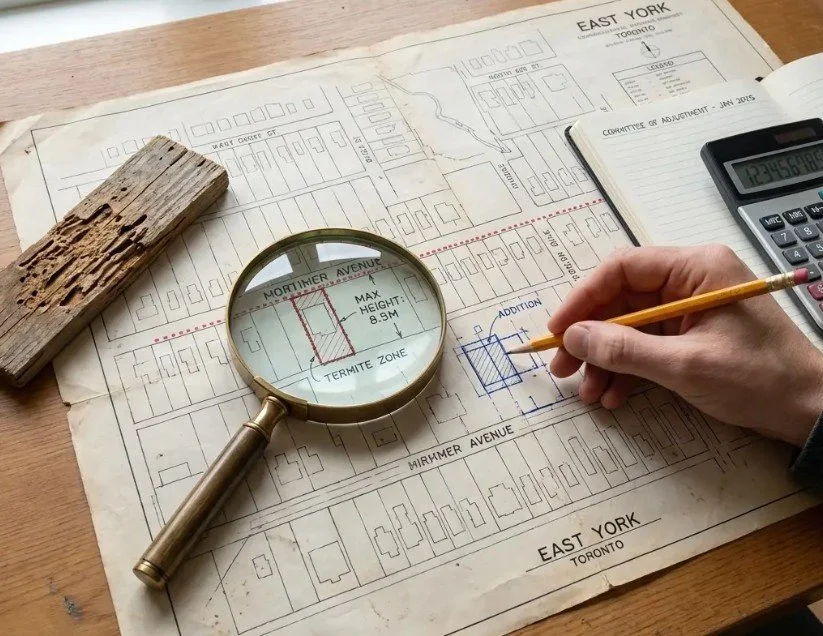
Once we understand what you want to build, we pull your property's details from the City of Toronto's zoning map and evaluate exactly what's possible. Lot coverage limits, required setbacks, and — critically — whether your project needs a Committee of Adjustment approval or can go straight to a building permit.
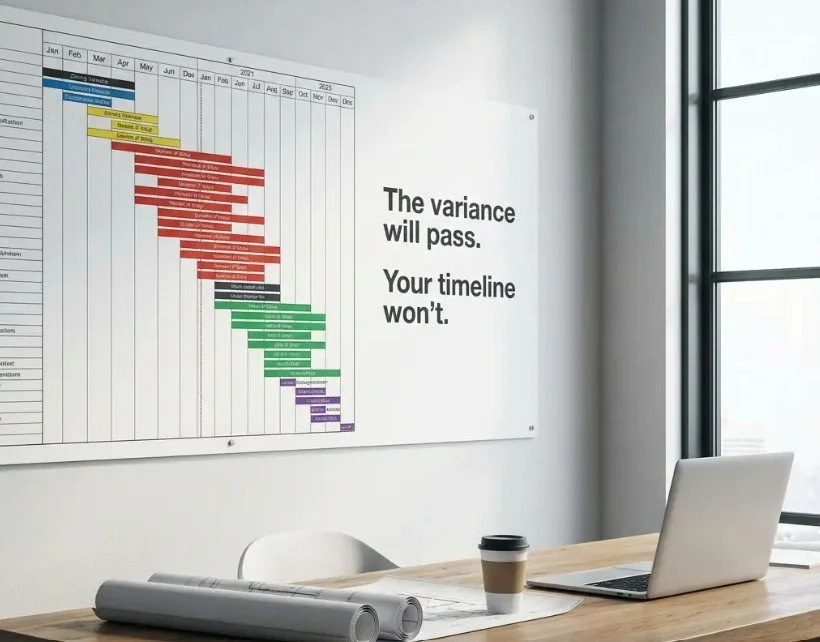
That distinction matters. Going to C of A can add three to four months to your timeline, sometimes more. If you're trying to be in a finished space by a specific date, that's not an abstract number.
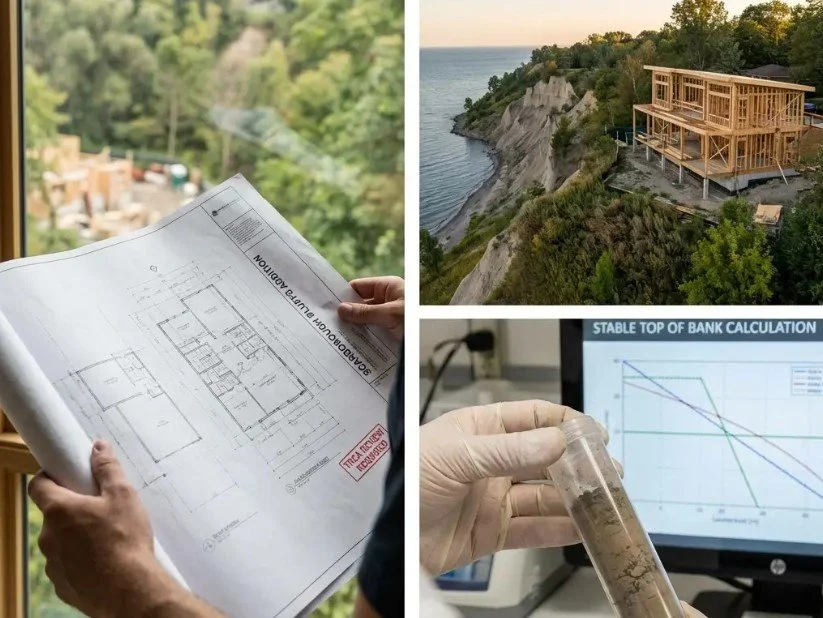
We also flag things most contractors never think to mention. Is there a significant tree on or near the property that could trigger a separate permit? Is the lot in a TRCA boundary? Heritage designation? Every one of those considerations adds time and complexity. We believe homeowners should know about them before they get too entrenched in a design process.
Honesty is the best policy for us. Always has been.
We can usually get a clear picture without a survey, unless there are unusual elevation changes or natural features we can't assess remotely. Surveys are always smart before going deep into design — but we try to use every free resource available to give you maximum information before you've spent anything.
Step 3: Preliminary Scope and Budget — Real Numbers, No Drawings Required
This is the moment of truth. This is where you find out if what you want to build is actually within reach.
Using everything from the first two steps — your goals, your property's zoning constraints, the likely permit path, and our detailed database of completed home addition and renovation projects across Toronto — we build a preliminary scope of work and budget. Without drawings.
We can do this because we ask a lot of questions, have a very accurate database of projects for almost every type of home addition project, and we take a lot of pride in building accurate budgets very early on in the home addition planning process.
These budgets consistently land within 10% of the final project cost. We build them conservatively — there's room to work down rather than up, which our clients genuinely appreciate once they've heard what happened to someone else whose contractor went the other direction.
We present the preliminary scope directly to families. Line by line. What's included, where the assumptions are, what still needs to be confirmed. No mystery numbers. No "starting at" ranges designed to get you in the door. You walk away from that conversation knowing what you're actually looking at.
What Most Homeowners Get Wrong
Skipping these steps doesn't save time. It costs it.
Some families try to accelerate the process — jumping straight to an architect, getting drawings done, putting deposits down with contractors — because they believe that moves things faster. What actually happens is assumptions pile up, expectations stop matching reality, and the whole thing comes apart or balloons in cost somewhere in the middle of a build.
The more time and money you spend in design, the less things will change in time and cost during construction. That's the tradeoff nobody tells you about upfront.
Once families go through our process — and end up with a project that stays on budget from preliminary scope all the way to final invoice — they become some of our most vocal advocates. Not because of any magic. Because the right planning at the front end makes everything that follows predictable.
What We Caught at 79 Kimberley
A family came to us needing an extra bedroom. Second child on the way, due date circled on the calendar.
They were set on a home addition. More square footage, more room to grow. Completely reasonable.
We did the zoning review. The addition they had in mind would have triggered a Committee of Adjustment application. That pushes the permit timeline by months — months they didn't have. And once we built out the preliminary scope and budget, the cost came in well above what they'd budgeted for.
So we pivoted.
An interior renovation could create the additional bedroom space they needed. No variance application. No C of A delay. A budget they were actually comfortable with. Same outcome for the family — more room for their new daughter — completely different path to get there.
If they'd gone to a contractor who skipped the zoning review and went straight to drawings, they'd have spent money and months on a plan that couldn't deliver. Instead, they were in their finished space on time.
The BVM Approach: Education Before Everything
There are contractors who run intake calls as sales calls. You'll recognize them — they're trying to close, not advise.
That's not how we work. A lot of companies out there have high-pressure salespeople taking these calls. We don't sell — we educate and make sure there's a genuine fit. We're very solutions-focused, and that throws a lot of people off at first, because of the other personalities they deal with in the home building industry.
When families realize the first step is genuinely free — no obligation, no contract, no pressure — the conversation changes. They tell us what they're actually worried about. We get the information we need to give honest advice, and they get clarity instead of a pitch.
That dynamic is the foundation the whole project gets built on.
Key Takeaways
The three questions every Toronto homeowner has — cost, feasibility, timing — can all be answered before you spend a dollar
A zoning review isn't optional if you want to avoid surprises: C of A, TRCA, heritage, and tree constraints can each add months to a project
A well-built preliminary budget lands within 10% of final cost — without drawings
The 79 Kimberley project: a single zoning review saved a family from a C of A delay and an overbudget addition before their daughter arrived
More invested in design means fewer surprises in construction. Never skip the front end.
Frequently Asked Questions
Q: How much does a home addition cost in Toronto?
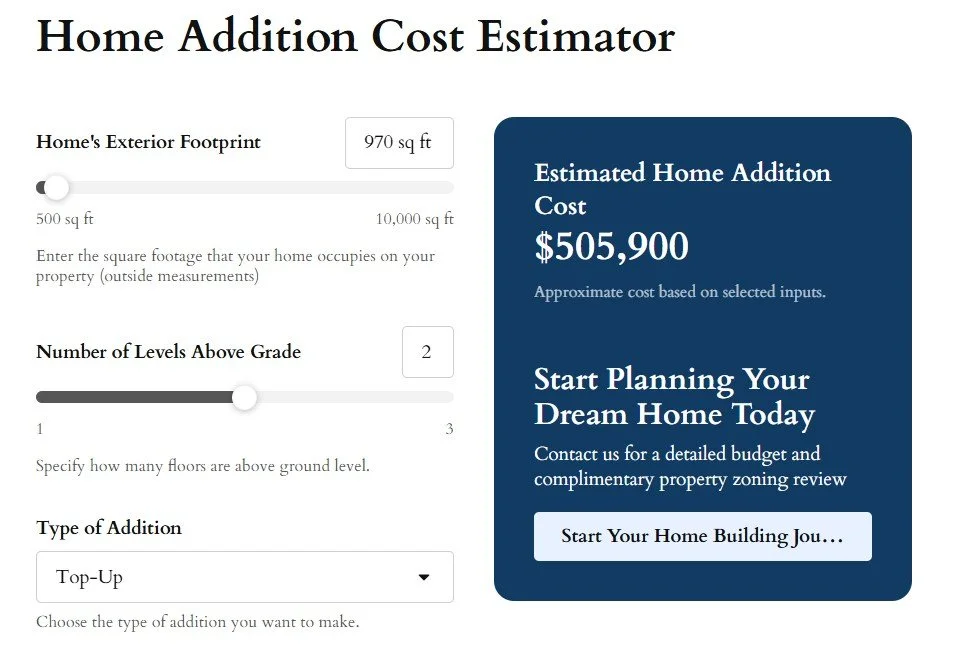
A: You're spending hundreds of thousands of dollars any time you're talking about a real home addition in Toronto. The exact number depends on type, size, and your property's specific zoning path. That's exactly why we built our home addition cost calculator — it gives a rough starting point before we've even talked. But nothing replaces the three-step process, which gives you a real number tailored to your actual project.
Q: How long does a Toronto home addition take?
A: Construction takes 4–7 months with BVM. But that's not the full timeline. Permits in Toronto can take 6–12 months to secure, and if you need Committee of Adjustment approval, add another 3–4 months. You could be looking at 12–18 months total from first conversation to moving back in. Anyone quoting you a shorter timeline without knowing your property's zoning is guessing.
Q: Do I need to hire an architect before talking to a contractor?
A: No — and coming to us first often saves you from commissioning drawings for something that can't be approved. Our zoning review happens before design begins. Once we know what's possible and what the budget range looks like, you can brief your designer with a realistic scope rather than starting over.
Ready to Talk About Your Project?
If you're thinking about a home addition in Toronto, the most valuable thing you can do right now is have a real conversation about what's actually possible on your property. No contract, no deposit, no pressure — just clarity on whether a home addition makes sense for your family, your timeline, and your budget.
Book a call with our team directly at bvmcontracting.com
Related Reading:


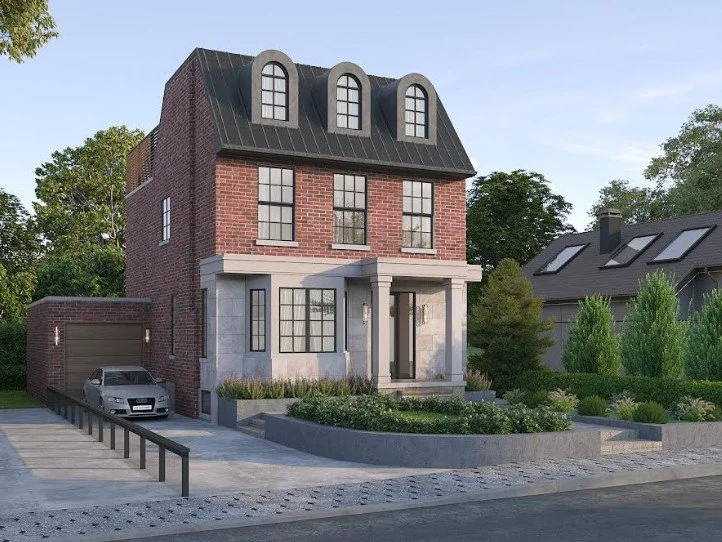



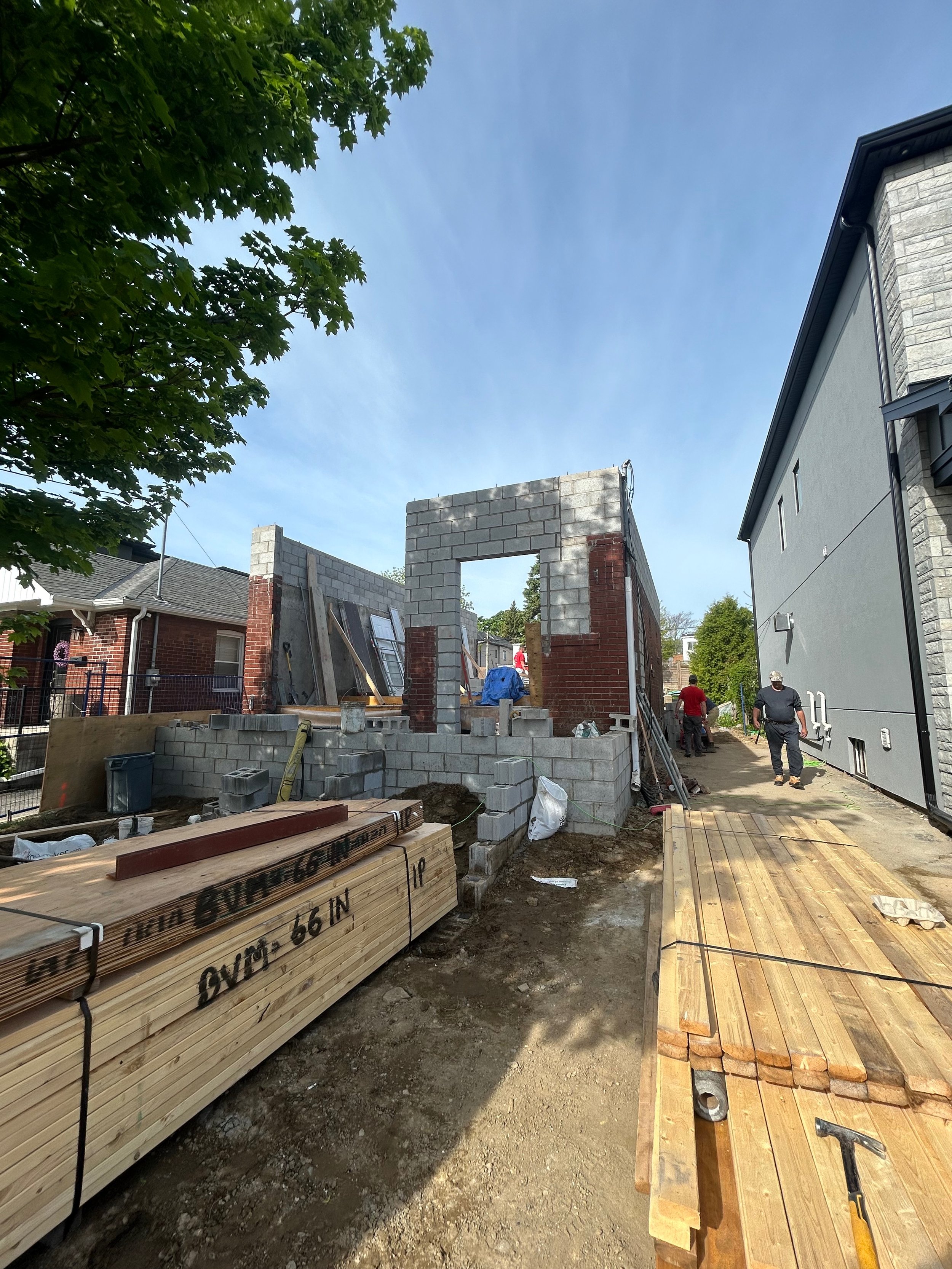


What started out as an innocent site meeting to make sure that they were keeping their chosen General Contractor honest lead to working with BVM Contracting after Alex and Katherine learned more about our honest and transparent building approach. Learn more about their project and how we helped them build the home addition of their dreams in East York!