How BVM Contracting Helps Growing Families Find More Space in Toronto
TLDR: Moving isn't the only answer when your family outgrows your home. Toronto families have more options than they think — from basement transformations to second-storey additions to garden suites — and the numbers often favour staying. Here's how we help families figure out the right move (even if that move isn't a move).
Key Takeaways
Moving isn't the only answer when your family needs more space — renovation options are often more affordable than the full cost of moving.
The most common space-adding project in Toronto is a second-storey addition, but basement renovations, interior reconfigurations, and garden suites are all viable depending on your situation.
There is no accurate cost-per-square-foot calculator for existing home renovations — the real number depends on the existing conditions of your specific home.
Toronto's permit timeline for additions and secondary dwellings runs 6–12 months minimum; interior renovations move through the process significantly faster.
Getting a builder involved early in the design process — before you fall in love with plans — saves money and prevents costly surprises.
The Conversation We Have Almost Every Day
A family in the Upper Beaches calls us. Two kids, a third on the way, and a house that's already bursting. They've been browsing listings in Ajax, Whitby, maybe Oshawa — places where their money stretches further. They're ready to leave the neighbourhood they love.
Before they sign anything, they call us.
That's a conversation we have almost daily with families throughout the Greater Toronto Area. And what they usually discover is that moving isn't their only option — and often isn't even their best one.
There is no single solution for maximizing space for a growing family. That's the honest answer. What we do is listen to what the family actually needs, look at the existing site conditions, understand the budget constraints, and figure out what's realistically possible. Sometimes that's a full second-storey addition. Sometimes it's carving out a bedroom from wasted space. Sometimes it's a garden suite in the backyard so grandma can live independently close by.
We're not in the business of selling a specific product. We're in the business of finding the right solution. That mindset is what separates us — and it's what keeps families calling us back, and referring their friends.
The Real Options for Adding Space in Toronto
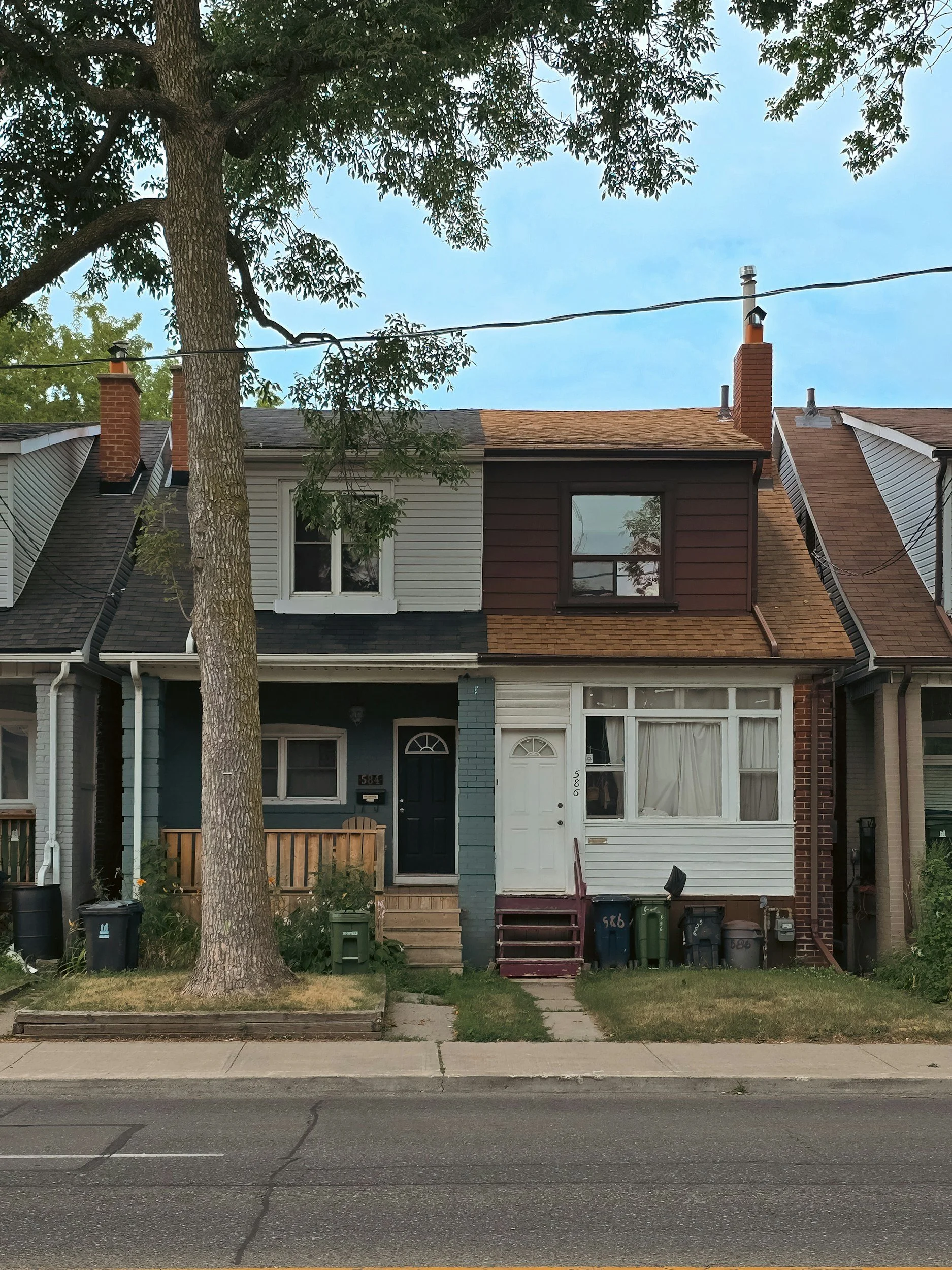
The most common way Toronto families add more space is through a second-storey home addition. But that's far from the only path, and it's not always the right one.
Here's a breakdown of the approaches we use with our clients:
Second-Storey Addition
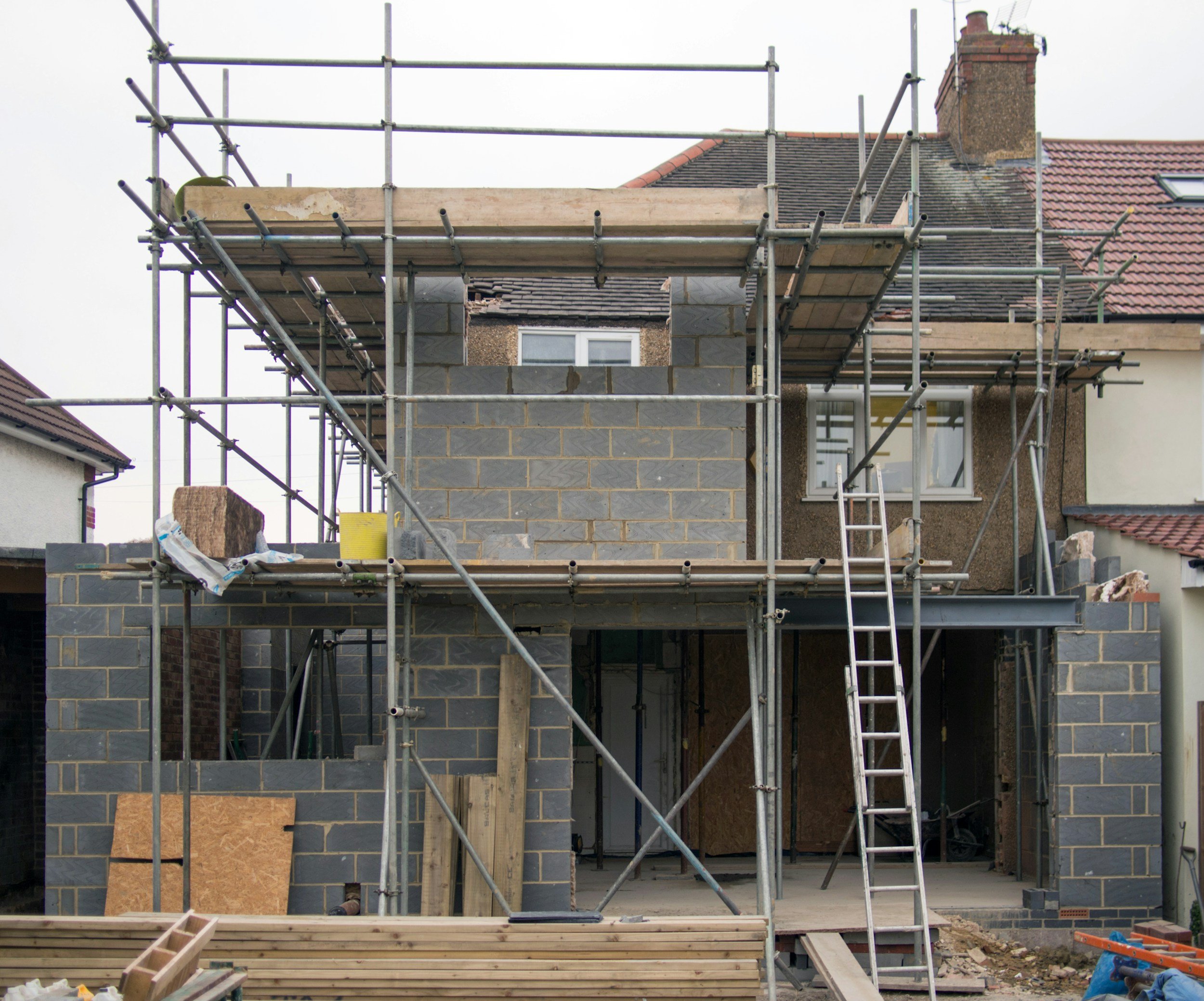
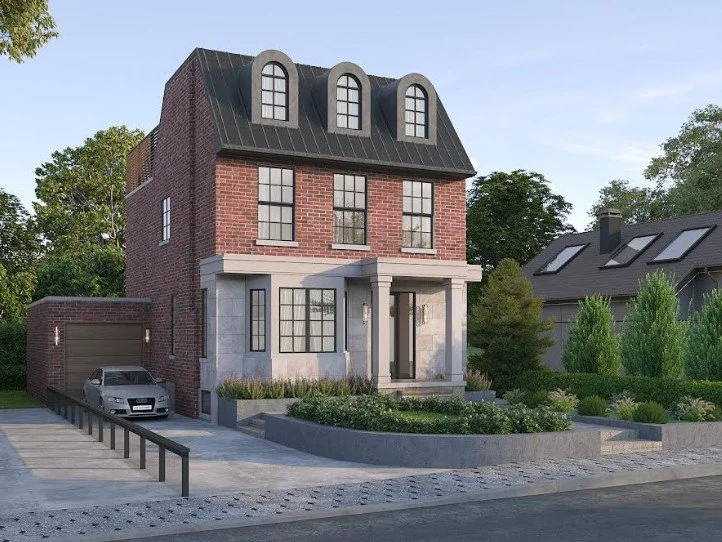
Adding a full second floor is the highest-impact option. It essentially doubles your home's footprint. It's also the most complex and typically the highest investment — and requires a full permit process that can take 6–12 months in Toronto before a shovel hits the ground.
Rear or Side Extension
Extending the main floor footprint outward can add a bedroom, family room, or expanded kitchen. Rear extensions are common in East York, Birch Cliff, and the Beaches. Costs depend heavily on the existing structure — what's already there in terms of insulation, windows, plumbing, and electrical all factor into the real number.
Basement Renovation
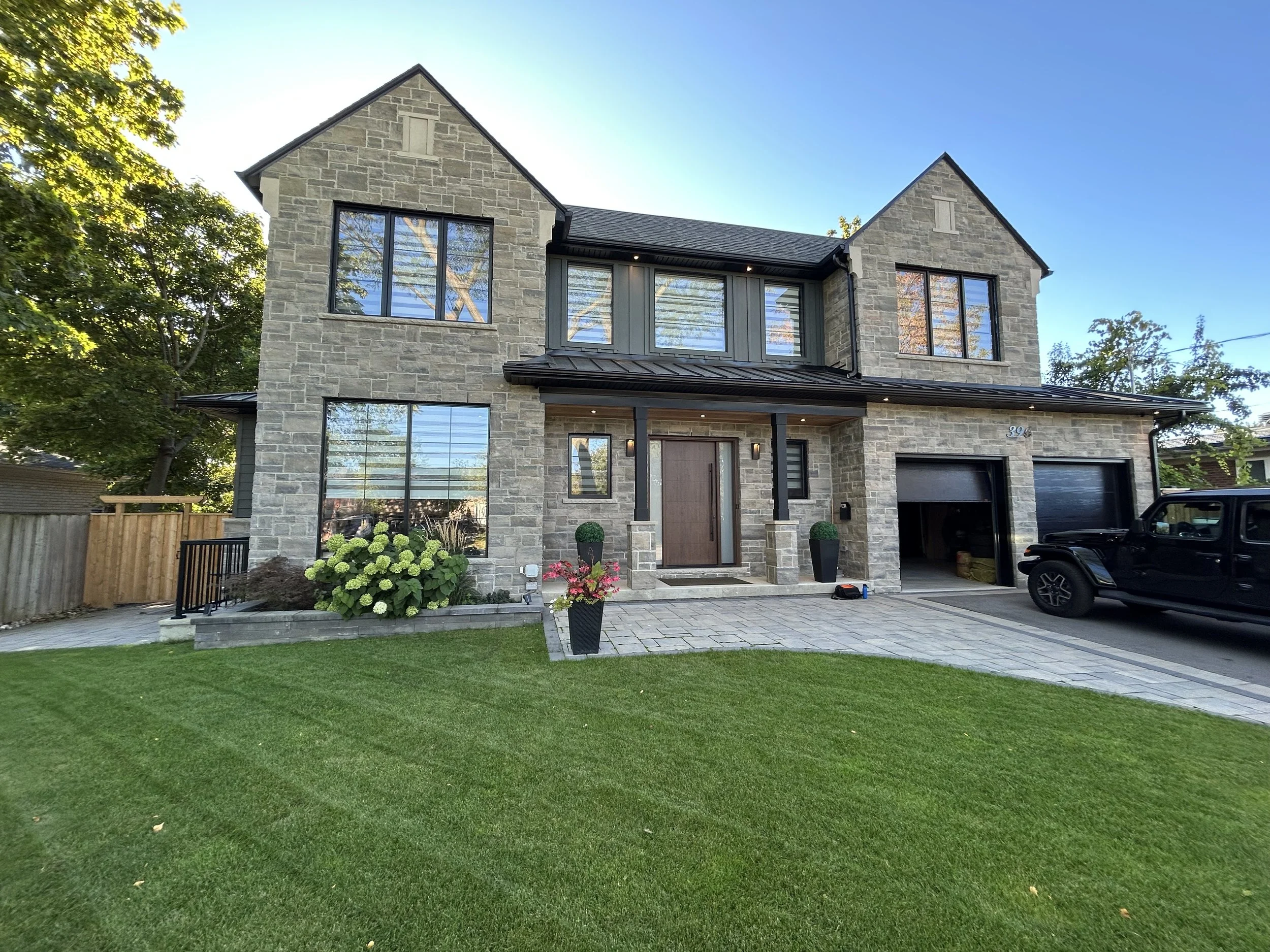
We've transformed underutilized basements into proper living spaces — bedrooms for growing kids, recreation rooms, upgraded laundry — without touching the main floor at all. One of our recent projects in Birch Cliff (Scarborough) did exactly this. The family got functional bedrooms for their children and a great rec room, all by maximizing space that was sitting empty below their feet.
Basement renovations also have a key advantage: they typically move through the City of Toronto's permit process significantly faster than additions. Interior renovations are fast-tracked because there are far more of them — the city has a separate, quicker process for them.
Interior Reconfiguration
Sometimes the space already exists — it's just being used wrong. We're currently working with a family preparing for their second child who came to us thinking they needed a rear extension to add a third bedroom. After reviewing the layout of their existing second floor, we found that their oversized primary suite with a loft space could be reconfigured to carve out a proper third bedroom — no addition required. That saved them a significant amount of money and months of permit delays.
Garden Suite or Laneway Suite
These are separate dwelling units built in your backyard. We've built garden suites for families where an adult child needed independent living space — freeing up the main house for the parents. It's an approach that creates real independence while keeping everyone close.
The honest cost answer for all of these? There is no single calculator that gives you an accurate number. Every project deals with existing conditions in an existing home, and those conditions drive the cost. We take our clients' budgets seriously — which means we get as many questions answered upfront as possible, so the scope of work reflects reality.
The Moving vs. Renovating Math Most Homeowners Get Wrong
Here's where most families make a mistake: they compare the cost of a renovation against the list price of a bigger house, and decide moving is cheaper.
That's not the right comparison.
Moving in Toronto comes with a long list of unavoidable costs that often get ignored: land transfer tax (provincial and municipal), realtor fees, legal fees, moving costs, and the very real premium you pay when you re-enter the market at a higher price point. Then there's the intangible cost of leaving a neighbourhood you've already built a life in — schools, community, commute time.
We always try to make sure our clients are evaluating the right numbers on both sides. We don't care what they ultimately decide — as long as the decision is based on actual facts. If a family concludes that moving is genuinely the better choice, that's fine. We'd rather help them reach an accurate conclusion than push them into a project that doesn't make sense for their budget or their life.
The funny thing? The number of families who call us back — or refer us to friends — because of this approach is remarkable. Turns out that giving people honest information, without a hard sell, pays off. We knew that going in.
What Most Homeowners Get Wrong About "More Space" Projects
The biggest mistake we see growing families make is getting too attached to a specific design before understanding what it will actually cost.
Someone hires an architect, falls in love with renderings, and then gets a shock when the quotes come in. By that point, they've already spent money on design and emotionally committed to a vision. Making adjustments feels like failure.
We work differently. We get involved in the design process early — sometimes before design even begins — to set realistic expectations for what a given budget can accomplish. Every design choice has a cost implication, and we flag those as they come up. We've saved our clients millions of dollars through value-engineering on "more space" projects: finding ways to achieve the same functional outcome with smarter decisions about materials, structure, and sequencing.
The families who involve us early get projects that finish on time and on budget. The families who come to us after the design is locked in are the ones who end up with hard conversations and compromises.
The BVM Approach: Solutions Engineering, Not Product Selling
We describe our role as solutions engineers. That framing is intentional.
When a family comes to us, we're not starting from a predetermined answer. We're listening to what they actually need, looking at what their property allows, understanding their budget, and then working backwards to find the best path forward.
We've worked with a family in East York on a home addition project that ran through the full rise and fall of interest rates — over two years — to craft a scope of work that fit both their budget and their needs. We moved them in ahead of schedule and came in within the agreed budget. That kind of outcome doesn't happen by accident. It happens because we're embedded in the project from pre-construction through completion, managing the details that determine whether a project succeeds or overruns.
We've also built completely separate dwelling units — a garden suite for a family to give their adult son independent living space in their backyard, allowing the parents to reclaim the space they needed inside the main home. It was a creative solution to a growing family situation that most people wouldn't have considered.
No two projects look the same. That's the point. We customize every process to achieve each family's specific goals within their actual budget.
Frequently Asked Questions
Q: Is it cheaper to add on to my house or move to a bigger one in Toronto?
A: It depends — but moving costs more than most families account for. Land transfer tax, realtor fees, legal costs, and the premium on re-entering the market at a higher price point all add up. We always walk our clients through the real numbers on both sides before recommending anything.
Q: How long does a home addition permit take in Toronto?
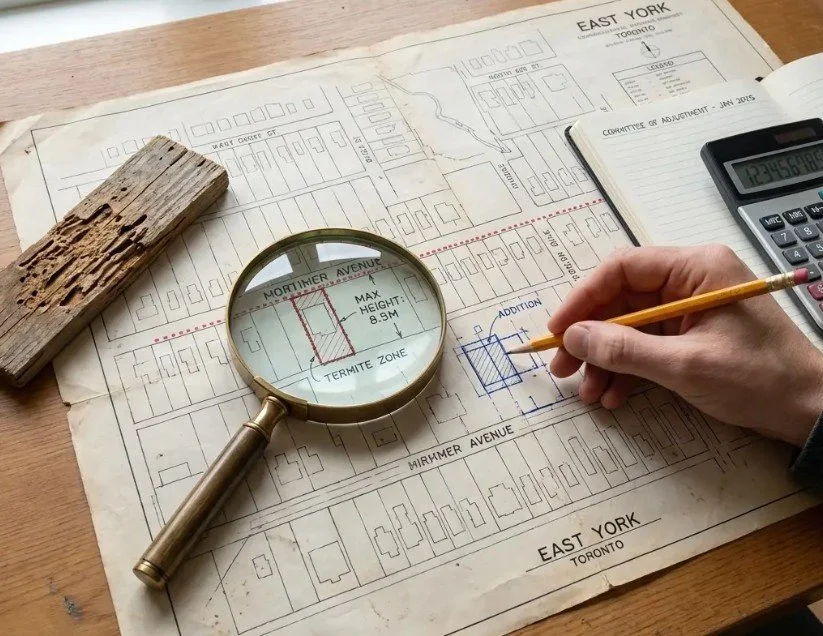
A: For additions and secondary dwellings (like garden suites or laneway houses), expect a minimum of 3–4 months for permit approval — and 6–12 months is more realistic, especially if variances are triggered and the project has to go to the Committee of Adjustment. Interior renovations move through the City's permit system much faster due to a dedicated fast-track process.
Q: What's the fastest way to add more living space to my Toronto home?
A: An interior renovation or basement transformation typically gets through the permit process fastest and can be completed within a shorter overall timeline than any project that expands your home's footprint. If speed is a priority, we'd start there.
Q: How do I know if my home is a good candidate for a second-storey addition?
A: It depends on your existing foundation, structure, and lot coverage. The only real way to know is to have someone who understands construction look at the property — not just an architect or designer, but someone who can evaluate the structural and cost implications of adding above.
Q: Can BVM help if I don't know which option is right for me?
A: That's actually where we start with most of our clients. We'll walk through what your property allows, what your budget can realistically achieve, and which approach gives you the best outcome. No pressure, no predetermined answer.
Ready to Talk About Your Project?
If your family is outgrowing your home and you're not sure whether to renovate or move, we're the right first call. We'll give you an honest assessment of your options — no hard sell, no predetermined answer. Just the information you need to make the right decision for your family and your budget.
Related Reading:
Calculate Your Home Addition Costs — Get a realistic sense of what different addition scopes cost in Toronto today.
Home Addition Permits in Toronto: What You Need To Know — A full breakdown of the permit process before you start planning.
A Guide to Home Building Versus Moving in Toronto — The complete financial comparison most homeowners aren't doing.