
How long does It Take to Build a Home Addition in Toronto? It Depends.
TL;DR: Most Toronto home additions take 8-15 months total from concept to completion. Design and permit approval consumes at least 5-7 months before breaking ground (and that doesn’t even include projects that need Committee of Adjustment). Physical construction for home additions takes 3-8 months depending on size, complexity, and start date. Proper planning during design reduces construction time by 15-25% by preventing change orders. Winter starts add additional time compared to spring or summer projects.
Toronto Home Addition Timeline:
Design and permit approval: A minimum of 5-7 months before breaking ground
Physical construction: 3-8 months depending on size, complexity, and start date
Total timeline: 8-15 months from initial concepts to finished project
Proper planning reduces construction time by 15-25% by preventing change orders and rework
Winter start dates add additional time and complexity for home addition projects compared to spring or summer projects
The Three Questions That Determine Your Timeline
When homeowners ask us how long their home addition will take, the first words out of my mouth are: "It depends."
People want a number. Three months. Six months. A year.
There is no typical home addition timeline in Toronto. The variables that determine how long your project takes are rarely the ones contractors discuss during initial consultations.
Before we give you a meaningful timeline estimate, we need to understand three things:
When Do You Want to Start the Project?
A November start date creates different constraints than an April start.
Winter construction in Canada means slower work in cold conditions. You need additional heating for drywall and taping. Winter concrete mix costs more. Excavation takes longer when the ground is frozen.
These factors add additional time compared to spring or summer starts.
How Much Time Will You Spend on Planning Before Construction?
Most homeowners underestimate this variable.
Proper planning cuts build times substantially. When you invest in thorough design work upfront, we prevent the change orders and rework that extend projects. Learn more about how to lower home addition costs through planning.
We completed two similarly-sized home additions in 2025, both around 2,500 square feet from 800-900 square feet. The first client hired an architectural partner who emphasized planning and getting selections finalized during design (which we love). The second client sent us plans without selections made and little understand about how their newly proposed space actually looks and feels.
The difference was two months.
We priced out the first project more efficiently, which allowed us to start over a month earlier. The second project required more time getting selections from the client. More back and forth. More delays.
The first project had 6 change orders throughout the entire build (which is the lowest number of change orders we’ve ever had). The second project had 18 change orders. Triple the amount. Every change order adds time, costs, and stress. Once the project was completed, we estimated those change orders added another month to the second project.
What This Means: Investing in thorough planning during design saves 1-2 months during construction by reducing change orders from 18 to 6 or fewer. This is why we have partnered with and created The Constructible Design Co.
What Is the Ratio Between Existing Work and New Construction?
If your existing home is 800 square feet and you're building to 3,000 square feet, the complexity increases compared to a smaller addition (like a single-level rear extension).
Structural integration work and coordination between old and new systems affect timeline. Larger additions relative to existing square footage typically add 2-4 months compared to smaller expansions.
Toronto's Permit Process Timeline for Home additions
Most people fixate on how long the build will take. They often forget to account for design and permit processing time.
With home additions in Toronto, you can easily spend the same amount of time (or more) in design and permit approval as you do in construction.
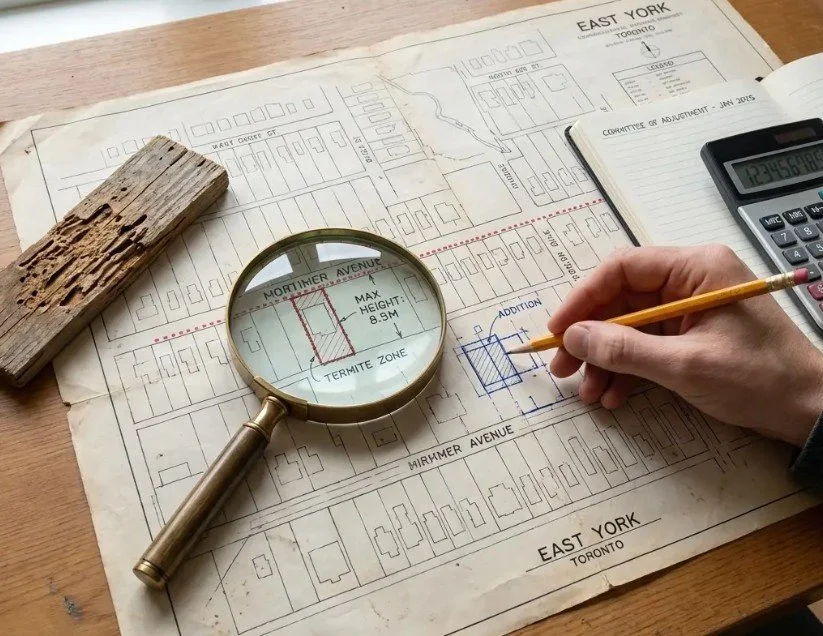
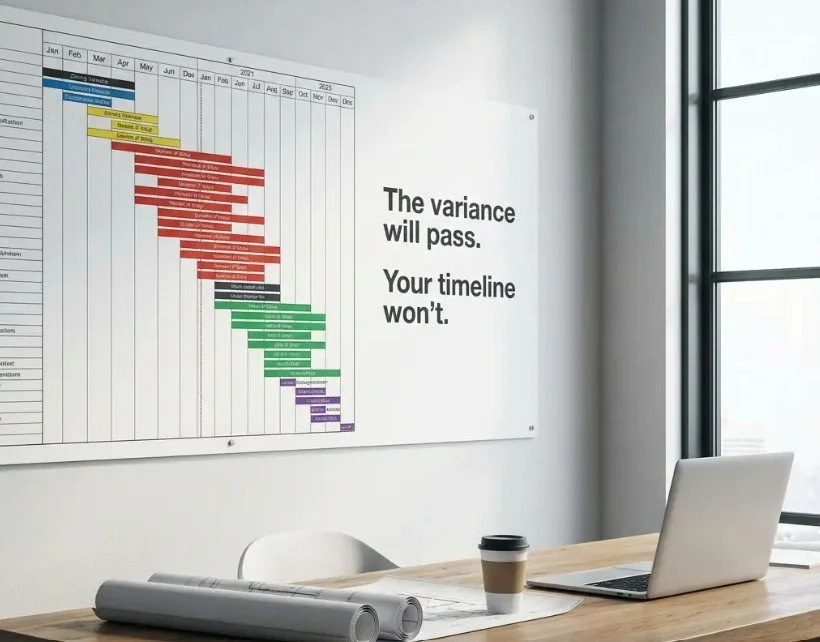
For home addition projects in Toronto, budget a minimum of 5-7 months of design and permit approval work before getting a permit in hand and breaking ground.
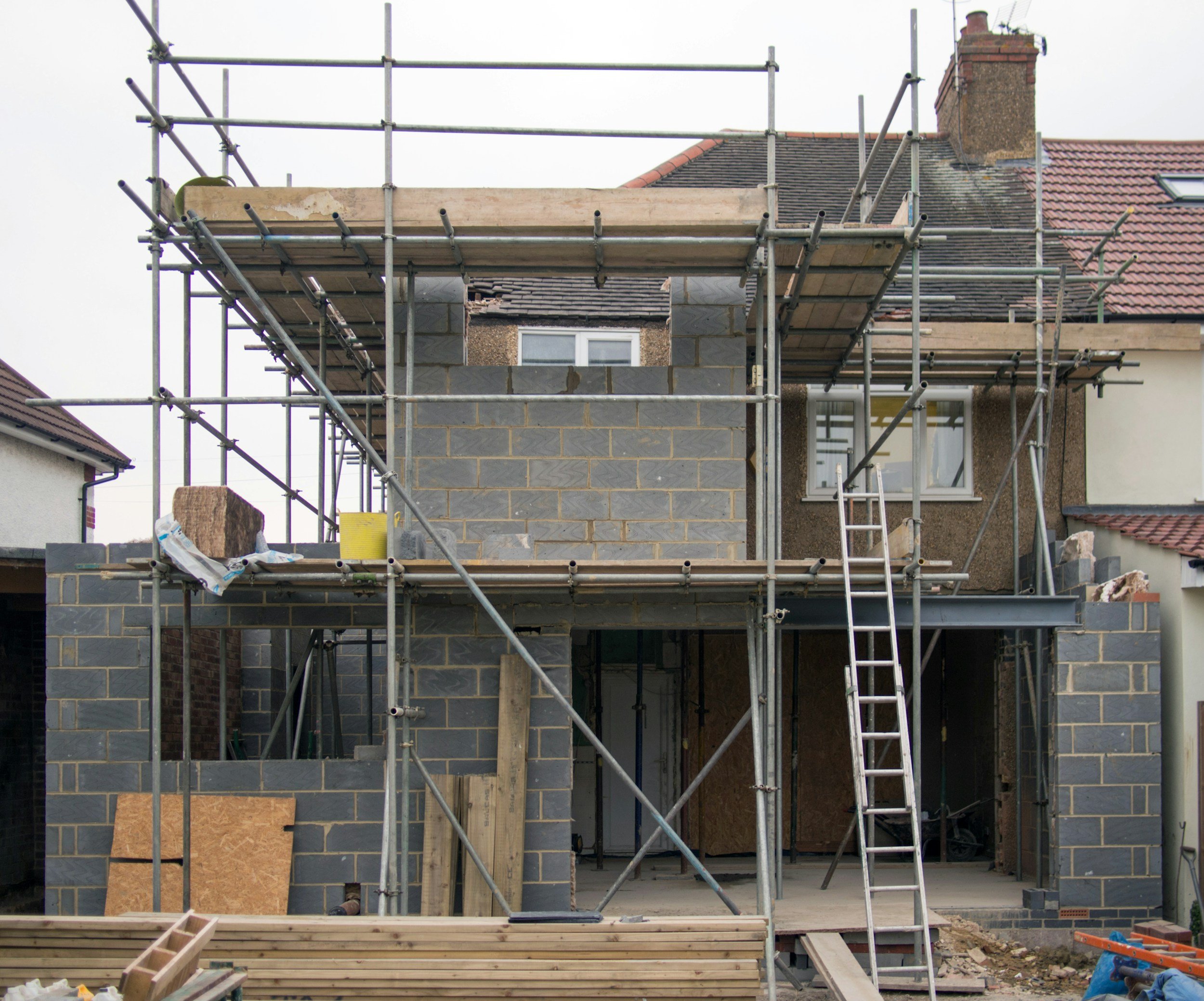
We complete the physical construction between 3-8 months depending on size, complexity, and start date.
Design and permitting often takes longer than building, especially with home addition projects.
Do Permit Timelines Vary Across Toronto?
Permit processing speed can depend on which individual examiner gets assigned to review your file.
Toronto and East York share the same building department. Areas like Scarborough, North York, and Etobicoke have varying review speeds.
Every home addition in Toronto gets reviewed by two separate people. One for zoning. Another for Ontario Building Code compliance.
Those reviewers have different workloads, different interpretations of requirements, and different review styles. The speed of your application depends on who reviews your file.
In our experience, East York and Toronto have been the most efficient. We always recommend to enter into the design process with some buffer to account for the human element that comes with the design and permitting process. So if you want to build a year from now, it would probably make sense to start within the next month or so to give yourself some room for delays.
Bottom Line: Budget a minimum of 5-7 months for design and permits, with variability based on which examiner reviews your application and which Toronto area you're building in.
How Does Winter Construction Affect Toronto Home Addition Timelines?
Projects starting in November face different conditions than projects starting in April.
Winter construction means:
Slower work in cold conditions when the home is exposed to elements
Additional space heating required for items like drywall and taping
Extra costs and time for winter concrete mix
Longer excavation times when breaking frozen ground
Winter starts adds significant time to construction timelines compared to spring or summer projects. It is not impossible to build in the winter, but there is more planning involved.
We account for seasonal constraints when providing our timeline estimates. If you're planning to start in late fall or winter, we build those delays into your project roadmap upfront.
Key Point: Starting between March and September typically provides the most efficient construction timeline, while November to February starts add more time due to weather protection and heating requirements.
How Pre-Construction Integration Reduces the Timeline of home addition projects
We fully procure our scopes with subcontractors and vendors before starting every project. We have the quotes and purchase orders ready to go before breaking ground.
Once everything gets finalized, we execute the timeline.
We use project management software to stay organized and keep projects moving. Our in-house team works between subcontractors to ensure project sites stay safe, clean, and all the in-between work gets completed efficiently. Read how we handle challenges during construction.
This pre-construction integration and planning typically reduces our on-site construction time by 15-25% compared to contractors and home builders who enter after designs are finalized.
Scope clarity eliminates the change orders and rework that extend projects. When we enter during design instead of after, we identify constructability issues before they become expensive delays mid-project.
What This Means: Pre-construction integration saves 3-6 weeks on typical home additions by reducing change orders and preventing material delays through proactive procurement.
What Variables Affect Your Specific Toronto Home Addition Timeline?
During our no-commitment project consultations, we provide clients with conditional timeline maps. These account for your specific project variables, not industry averages.
Project Type and Complexity
Some home additions require complex structural scopes that include items like underpinning, shoring, and large structural spans. The structural complexity extends timelines significantly beyond horizontal expansions of equivalent square footage.
Explore the different types of home additions to understand which option fits your timeline and budget.
Municipal LocatioN
Your specific location within Toronto (or being located outside of Toronto) affects both zoning review and building permit processing speed.
East York and Toronto tend to process faster in our experience. Scarborough, North York, and Etobicoke timelines vary based on examiner assignment.
Seasonal Factors
As previously mentioned, projects starting in winter face additional time requirements for weather protection, heating, and material handling. Starting between November and February adds additional time and complexity compared to March through September starts.
Material Lead Times
Projects requiring specialized finishes or custom millwork can require require 8-12 additional weeks (or longer) for procurement compared to standard materials.
If you're planning custom cabinetry, an overseas hardwood purchase with long lead times, or imported tile, we account for those procurement timelines before providing estimates. Discover must-have home addition upgrades to consider during your planning phase.
Subcontractor Availability
Skilled tradespeople book up fast, and we only work with the best.
Timeline planning accounts for contractor availability before permit submission. We don't provide timelines based on ideal conditions. We provide timelines based on actual subcontractor and vendor schedules.
The Framework: We replace the industry's optimistic single-number quotes with realistic ranges that account for your project type, location, start date, material selections, and subcontractor availability.
Why We Start With "It Depends" For Home Addition project Timelines
Contractors and home builders who give you a quick timeline estimate during the first conversation are guessing or selling. They don’t know enough about your project to effectively estimate your home addition project timeline.
We collect information and give you a realistic timeline, plus or minus a month. That estimate becomes accurate after we understand your specific variables and get to know you and your project better.
Our project database provides location-specific ranges based on Toronto builds. We know what has worked, what didn't, and where delays typically occur.
The data turns into your timeline advantage.
Common Questions About Toronto Home Addition Timelines
How long does a typical home addition take in Toronto?
Most Toronto home additions take 8-15 months total from initial concepts to finished project. This includes 5-7 months for design and permit approval, plus 3-8 months for physical construction. The timeline varies based on project size, complexity, municipal location, seasonal start date, and planning investment.
Why does permitting take so long in Toronto?
Every home addition in Toronto gets reviewed by two separate examiners (one for zoning, one for Ontario Building Code compliance). Review speed depends on which individual gets assigned to your file, their workload, and their interpretation of requirements. Toronto and East York tend to process faster, while other areas have more variable timelines.
Does starting in winter really add months to my project?
Yes. Winter construction in Canada means slower work in cold conditions, additional heating requirements for drywall and taping, extra costs for winter concrete mix, and longer excavation times when breaking frozen ground. Winter starts typically add additional time to home addition projects compared to spring or summer projects.
How much time does proper planning save during construction?
In our database, projects with thorough planning and finalized selections during design have 6 or fewer change orders. Projects without proper planning average between 12-20 change orders. Those additional change orders add weeks or months to construction timelines. Proper planning reduces construction time by 15-25%. Use our home building readiness assessment to determine if you're prepared to start your project.
What is the fastest possible timeline for completing a Toronto home addition?
The fastest timeline (from concept to completion) we've completed is approximately 8 months total (4 months for streamlined design and permits, plus 4 months for construction). This requires a simple project scope, no zoning variances, spring or summer start date, pre-selected materials with short lead times, and immediate subcontractor availability. Most home addition projects take 10-15 months from concept to completion.
When should I start planning if I want to move into my addition by a specific date?
Work backward from your target completion date. Add 3-8 months for construction, 5-7 months for design and permits, and 1-2 months of buffer for delays. If you want to complete by next summer, start planning this fall. If you want to complete within 12 months, your window has likely passed unless you have simple scope and no zoning issues.
How do second-storey additions compare to rear extensions for timeline?
They are similar in timeline if the scope is the same and the existing areas of the home are also being renovated. Second-Storey home additions usually include main level renovations, which can add additional time to the project timeline. If a rear extension does not include work to the existing areas of the home it will be completed faster than a second-storey addition. See our two-level rear home addition project for timeline and scope details.
Do you guarantee your timeline estimates?
We provide realistic timeline ranges (plus or minus a month) based on our project database. We account for your specific variables upfront. Once we finalize scope during pre-construction, we commit to a timeline. Client-requested change orders extend timelines. Unforeseen conditions like hidden structural issues or undocumented utilities extend timelines. Weather delays beyond normal seasonal expectations extend timelines. We build buffer into estimates to account for typical variability.
What is your normal Home Addition Project timeline from demo to completion?
We can complete most home addition projects within 4-8 months. We have never gone over 10 months for any of our home addition projects, and our normal timeline for second-storey home additions is around 6 months. If we do rear extension + second level addition that timeline increases to 7-8 months.
Send us your home addition project scope so we can give you a more accurate project timeline estimate. We will also complete a comprehensive zoning review to ensure your project can be built with minimal to no zoning issues.
Key Takeaways for Understanding Home Addition Timelines
Toronto home additions take 8-15 months total, with design and permitting (5-7 months) often consuming more time than physical construction (3-8 months).
Permit processing speed depends on which examiner reviews your file and which Toronto area you're building in, making conservative estimates necessary.
Proper planning during design reduces construction time by 15-25% by cutting change orders from 18 to 6 or fewer.
Winter start dates add additional time to projects compared to spring or summer projects due to cold weather constraints and heating requirements.
Pre-construction integration saves 3-6 weeks by identifying constructability issues before they become mid-project delays.
Timeline estimates require understanding your project type, municipal location, seasonal start date, material lead times, and subcontractor availability.
Contractors who provide quick timeline estimates during first conversations are guessing. Accurate estimates require collecting project information and accounting for specific variables.
If you're planning a home addition in Toronto and want a timeline estimate based on your project variables (not industry averages), we provide no-obligation project consultations. You'll leave with clarity about what your project requires and realistic timeline ranges based on our Toronto project database.
Explore our home addition services in Toronto or read about a recent home addition project in Scarborough to see how we manage timelines on real builds.



About BVM COntracting
BVM Contracting is a full-service General Contractor or Home Builder located in Toronto. We provide home renovation and building services for major home renovations and custom home builds (full interior renovations, home additions, lot severances, new home construction, garden suites, and laneway suites). Our goal is to help guide our clients through the process of building their home, from concept to completion.
Further than providing General Contracting and Project Management for major home renovations, we also offer value-added services such as renovation financing, renovation rebate consultations and services, building permit and design services, smart home installation services, and real estate investor services.
To learn more about our offering by visiting our services page. Learn more about our vision, mission, and values here.