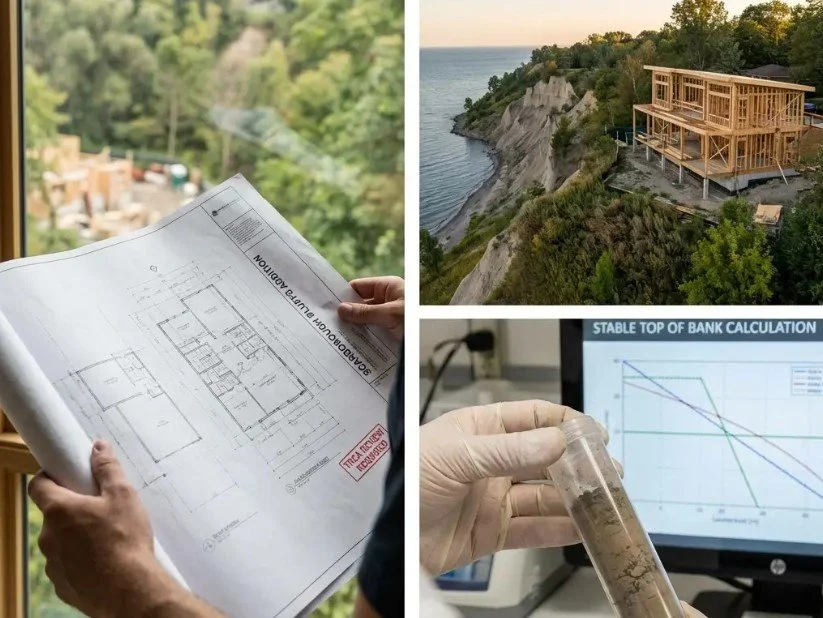
TL;DR: Across 47 home addition projects in Birch Cliff, Cliffside, Cliffcrest, and Guildwood, the biggest project killer isn't design or foundation problems. Property owners unknowingly face TRCA jurisdiction, protected ravine setbacks, and Urban Forestry requirements that add 2-4 months to timelines. Early zoning review separates 4-month permits from 12-month + regulatory processes. Budget expectations from 5-10 years ago no longer match current construction costs. Pre-construction planning ($1,500-$4,000 + HST) prevents mid-build discoveries that cost $35,000-$65,000 + HST to fix.
What You Need to Know:
Most Scarborough Bluffs properties sit in TRCA-regulated areas without owners knowing
TRCA involvement adds 2-3 months minimum to planning timelines
Foundation evaluation saves $35,000+ by catching issues before construction starts
Permit timelines range from 4-12 months depending on Committee of Adjustment, TRCA, and Urban Forestry requirements
One project shifted from $350,000 rear extension to $600,000 second-storey addition after TRCA flagged ravine proximity
What Catches Scarborough Bluffs Homeowners Off Guard?
Properties in Birch Cliff, Cliffside, Cliffcrest, and Guildwood have larger lot sizes than most Toronto neighbourhoods. You get flexibility for home additions that properties in The Beaches or tighter areas don't have.
That flexibility comes with a potential regulatory cost.
Many Scarborough Bluffs properties sit in TRCA-regulated areas. The Toronto and Region Conservation Authority (TRCA) governs any property near ravines or within watershed protection zones. Homeowners discover this mid-process, after investing in preliminary designs.
We start every project with a zoning review. This includes checking TRCA jurisdiction and identifying on-site or off-site trees that will affect permitting. The review takes 10 minutes and determines whether you're looking at a 4-month permit timeline or an 18-month regulatory process.
How Does TRCA Involvement Affect Your Timeline?
If your property requires TRCA approval, add 2-3 months minimum to your planning stage. This affects timeline more than budget (though application fees apply).
Realistic permit timelines for Scarborough Bluffs home additions: 4-12 months.
The major timeline variables:
Committee of Adjustment requirement: adds 2-4 months
TRCA involvement: adds 2-3 months
Urban Forestry coordination: adds 1-2 months
Architectural design team speed: varies by firm
Example from Cliffside: A homeowner came to us after preliminary designs were complete. The architectural partner had designed a rear extension without accounting for the ravine at the back of the property.
TRCA flagged the proximity to the stable top of bank. The rear extension became unbuildable. The project pivoted to a full second-storey addition.
Budget jumped from $350,000 to $600,000 because the clients needed more space than originally discussed. They went with the cheapest quote they received. The project took 12 months with multiple cost overruns. Our timeline estimate was 6 months with no overruns.
Bottom Line: TRCA review doesn't happen quickly. Get their involvement early in the process to reduce risk to your project timeline.
What Is the Stable Top of Bank and Why Does It Matter?
TRCA uses the stable top of bank as one metric to evaluate construction projects in their jurisdiction. You need to know this measurement before you design anything near a ravine.
You need two things to determine stable top of bank location:
TRCA involvement early to evaluate preliminary design
Updated topographical survey showing grading on the property
The survey reveals where the stable top of bank sits and how steep the ravine slopes.
Cost to find out if you're in TRCA jurisdiction:
Topographical survey: $2,800-$3,000
TRCA application fee: $1,420 (Major projects) or $2,705 (Complex projects)
What Counts as a Major vs. Complex Project?
Major projects: Additions, new structures, works in floodplain or erosion hazard, fill placement over 30 cubic metres. Includes technical analysis in up to two disciplines (Environmental Impact Study review, stormwater management screening, standard geotechnical review). Up to one site visit and two meetings. Maximum two submissions included.
Complex projects: Major additions exceeding 50% of original ground floor area, new structures, works requiring multiple technical studies. These projects need detailed ecological, geotechnical, water resource engineering, hydro-geological, or fluvial geomorphology studies. Up to three technical team meetings and two site visits. Maximum three submissions included.
We've built rapport with the TRCA evaluation team. We connect with them for preliminary feedback before formal application. This helps homeowners understand what to expect before spending application fees.
Key Point: You're spending $4,220-$5,705 to discover if your addition design works before you invest in full architectural drawings. This prevents the $250,000 budget jump we saw in that Cliffside project.
Foundation Considerations for Properties in The Scarborough Bluffs
When a property is being evaluated for a home addition in any of the neighbourhoods in the Scarborough Bluffs we always start off with a blank slate review of the property in question’s foundation and soil conditions.
Two factors that always need to be considered when determining if a home can be built onto with a home addition:
Soil conditions (sandy to silty, minimal clay)
Existing foundation and footings condition
We evaluate soil conditions with our structural engineer and identify whether existing foundations and footings get reused. Most of the time they do. We reduce unknowns as early as possible to avoid cost overruns during construction.
Even with expansive experience across 47 projects (and counting) in these neighbourhoods, we confirm conditions with an engineering review on every project.
How One Foundation Review Saved $35,000
One Cliffside project saved $35,000 through early foundation evaluation. We identified that footings sat 16 inches below the existing basement slab.
This eliminated the need for underpinning entirely.
If we'd discovered during construction that footings were only 8 inches deep instead of 16, the ability to pivot would have been limited. The project might have required resubmitting plans for revised permits if we shifted from underpinning to floor lowering. That means additional fees and time waiting for revised permits.
We inform clients through proactive planning, not reactive decision-making during construction.
Key Point: Foundation evaluation shouldn't create anxiety. The goal is clarity for homeowners. BVM provides these reviews as part of pre-construction planning.
What Do Homeowners Get Wrong About Budgeting for a Home Addition?
Two items consistently need correction in first consultations:
Budget expectations
Zoning constraints
Homeowners relying on project budgets from 5-10 years ago create immediate misalignment. If someone completed a home addition in the past or knows what friends or family spent years ago, we inform them about current construction costs.
Kitchen quality alone affects budget by tens of thousands of dollars. Bathroom costs stay the same regardless of home size. These fixed costs don't scale the way homeowners expect.
We also work with homeowners who inherited unpermitted work from previous owners or don't understand their property's zoning constraints. This requires getting a residential design team involved in initial analysis so we have another perspective and get a proposal for design, planning, and permitting work required to get a permit.
Key Point: Budget conversations happen before design work begins. Once you understand current construction costs and your property's zoning reality, you make informed decisions about project scope.
Why Does Architectural Partner Selection Matter More in Scarborough Bluffs?
The Scarborough Bluffs properties face zoning complexity, Committee of Adjustment patterns, and TRCA coordination that other Toronto neighbourhoods don't encounter at the same frequency.
Some architectural partners bypass proper zoning review. We've seen this cause problems way too many times.
The architectural teams we work with (including The Constructible Design Co.) have experience navigating TRCA requirements. They budget the time needed to get through TRCA approval. They understand that properties near the bluffs or ravines leading to the bluffs may need TRCA involvement.
We verify architectural work before permits go in. Toronto permit examinations are a lot more involved and involved many different stakeholders and internal reviews that only the most experienced architectural partners can navigate effectively.
Key Point: Architectural partners with TRCA experience prevent the mid-process design pivots that blow up budgets and timelines.
How Does Pre-Construction Planning Change Project Outcomes for Home Additions?
When we compare two similar Scarborough Bluffs projects (one with thorough pre-construction planning versus one that shortcut the process), the time difference from first consultation to move-in day spans months.
The clients who work with us buy into the pre-construction planning we provide. We rarely deal with reactive planning. The difference between a planned jobsite and one that isn't thoroughly planned shows up in multiple ways:
Stressed clients
Delays
Additional costs
Rework
Poorly managed projects
What's Included in BVM's Pre-Construction Process?
Step 1: Zoning review
TRCA jurisdiction check, tree identification, regulatory body coordination
Step 2: Foundation and soil evaluation
Engineering review of existing conditions
Step 3: Architectural partner coordination
Design accounts for all constraints
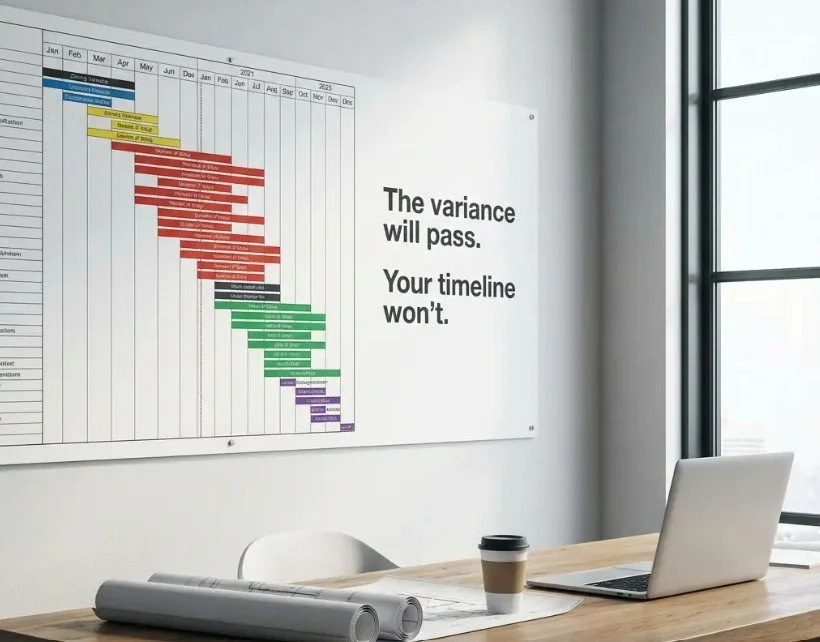
Step 4: Timeline mapping
Accounts for all regulatory variables
Step 5: Detailed cost database access
47 projects worth of Scarborough Bluffs-specific data
This work costs $1,500-$4,000 + HST. You save multiples of that amount by preventing mid-construction discoveries.
Key Point: Pre-construction planning reduces unknowns before you commit to design and construction contracts. This is where project scopes get massaged to reduce the risk of budget blowouts.
What Do 47 Projects Reveal About Scarborough Bluffs Additions?
After 47 projects (and counting) across Birch Cliff, Cliffside, Cliffcrest, and Guildwood, the pattern is clear.
Homeowners who understand their property's regulatory reality before design work begins end up with projects that stay on timeline and budget. Those who discover TRCA jurisdiction, Committee of Adjustment requirements, or foundation issues mid-process face cascading delays.
Scarborough Bluffs neighbourhoods offer space and flexibility that make home additions attractive. That same geography creates regulatory layering that requires early identification.
We've built the project database. We know which properties trigger which requirements. We can tell you within 20 minutes whether your addition faces a standard timeline or needs TRCA coordination.
Clarity before you commit to design work separates projects that proceed smoothly from those that stall for months.
Key Point: The project database we've built from 47 (and counting) Scarborough Bluffs additions gives you predictive costing and timeline accuracy that contractors quoting from instinct don't have.
Frequently Asked Questions About Scarborough Bluffs Home Additions
How do I know if my property is in a TRCA-regulated area?
We check TRCA jurisdiction during initial zoning review. If your property is near a ravine or within watershed protection zones in Birch Cliff, Cliffside, Cliffcrest, or Guildwood, you likely need TRCA approval. This takes 10 minutes to confirm.
What's the difference between a 4-month permit and an 12-month permit?
Standard permits with no Committee of Adjustment, TRCA, or Urban Forestry involvement run between 4-6 months. Add Committee of Adjustment (2-4 months), TRCA (1-2 months), and Urban Forestry (1-2 months) together and you reach 8-14 months before construction starts.
When should I get a foundation evaluation?
Before architectural design is finalized. Foundation evaluation during pre-construction lets you pivot if needed. Discovery during construction limits your options and adds delays. BVM Contracting offers foundation and soil evaluations within our pre-construction scope.
How accurate are construction cost estimates from 5 years ago?
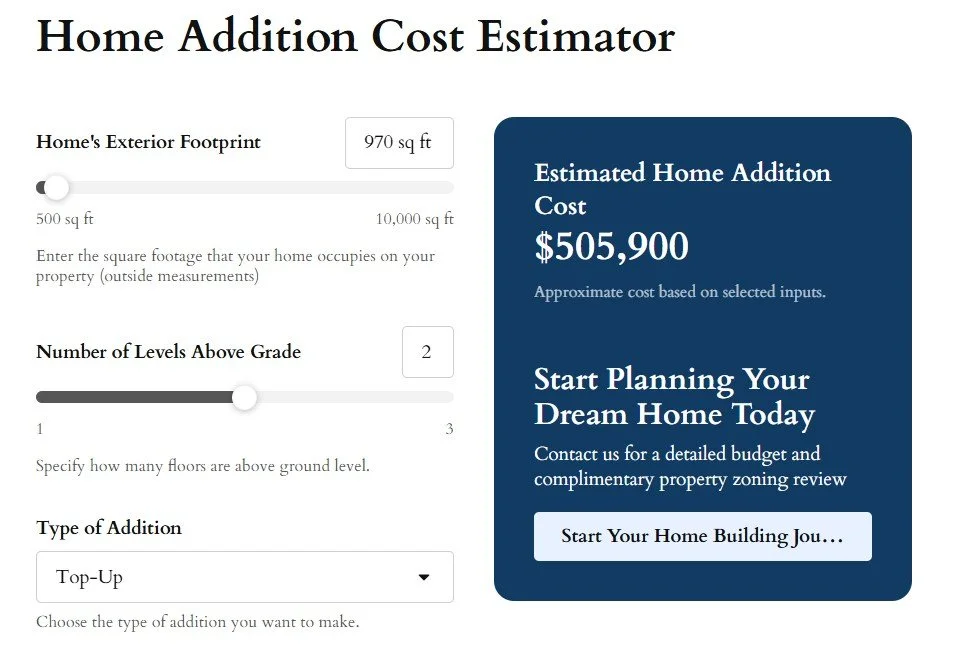
They're no longer reliable. Construction costs have shifted. Kitchen quality alone affects budget by tens of thousands of dollars. Bathroom costs stay fixed regardless of home size. We update homeowners on current pricing during first consultation. We have built a home addition cost calculator to give Scarborough and Toronto Homeowners more transparency about their home addition projects in the City
Do all Scarborough Bluffs properties need topographical surveys?
Only properties in TRCA jurisdiction need them. An updated topographic survey ($2,800-$3,000) shows grading and helps determine stable top of bank location. This prevents the design pivots that blow up budgets.
What happens if I inherit unpermitted work from a previous owner?
We identify unpermitted work during zoning review and coordinate with a residential design team to address it. This may or may not affect permit approval and we can help you identify any potential issues but also solutions.
Why does architectural partner experience with TRCA matter?
Architectural partners unfamiliar with TRCA requirements design without accounting for ravine setbacks or stable top of bank calculations. This causes mid-process design pivots that add months and tens of thousands of dollars to budgets.
How much does pre-construction planning cost and what does it prevent?
Pre-construction planning costs $1,500-$4,000 + HST. You prevent mid-construction discoveries that cost $35,000-$65,000 + HST to fix. You also avoid the timeline delays that cascade when problems surface during construction.
Next Steps for Your Scarborough Bluffs Property
If you're considering a home addition in Birch Cliff, Cliffside, Cliffcrest, or Guildwood, start with a zoning review. This includes TRCA jurisdiction check and tree identification.
The zoning review determines your realistic timeline and identifies regulatory requirements before you invest in architectural design.
We offer no-obligation consultations. We review your property's zoning constraints and provide timeline estimates based on our project database. You leave with clarity on what your property supports and what regulatory path you're facing.
Contact BVM Contracting to schedule your property review. We'll tell you what 47 previous projects in your neighbourhood have taught us about turning your addition vision into buildable reality.
Key Takeaways for Scarborough Bluffs Home Additions
Most Scarborough Bluffs properties sit in TRCA-regulated areas without owners knowing. Early zoning review (10 minutes) identifies this before you invest in design.
TRCA involvement, Committee of Adjustment, and Urban Forestry coordination add 5-9 months to permit timelines. Budget backwards from your target start date.
Foundation evaluation during pre-construction saves $35,000-$65,000 + HST by catching issues before construction starts.
Budget expectations from 5-10 years ago no longer match current construction costs. Kitchen quality alone swings budgets by tens of thousands of dollars.
Architectural partners with TRCA experience prevent mid-process design pivots. One Cliffside project jumped from $350,000 to $600,000 after ravine proximity forced a design change.
Pre-construction planning ($1,500-$4,000 + HST) reduces unknowns before you commit to design and construction contracts. This is where projects get won or lost.
The BVM project database (47 Scarborough Bluffs additions) provides predictive costing and timeline accuracy that contractors quoting from instinct don't have.
More Informative Home Addition Content




About BVM COntracting
BVM Contracting is a full-service General Contractor or Home Builder located in Toronto. We provide home renovation and building services for major home renovations and custom home builds (full interior renovations, home additions, lot severances, new home construction, garden suites, and laneway suites). Our goal is to help guide our clients through the process of building their home, from concept to completion.
Further than providing General Contracting and Project Management for major home renovations, we also offer value-added services such as renovation financing, renovation rebate consultations and services, building permit and design services, smart home installation services, and real estate investor services.
To learn more about our offering by visiting our services page. Learn more about our vision, mission, and values here.