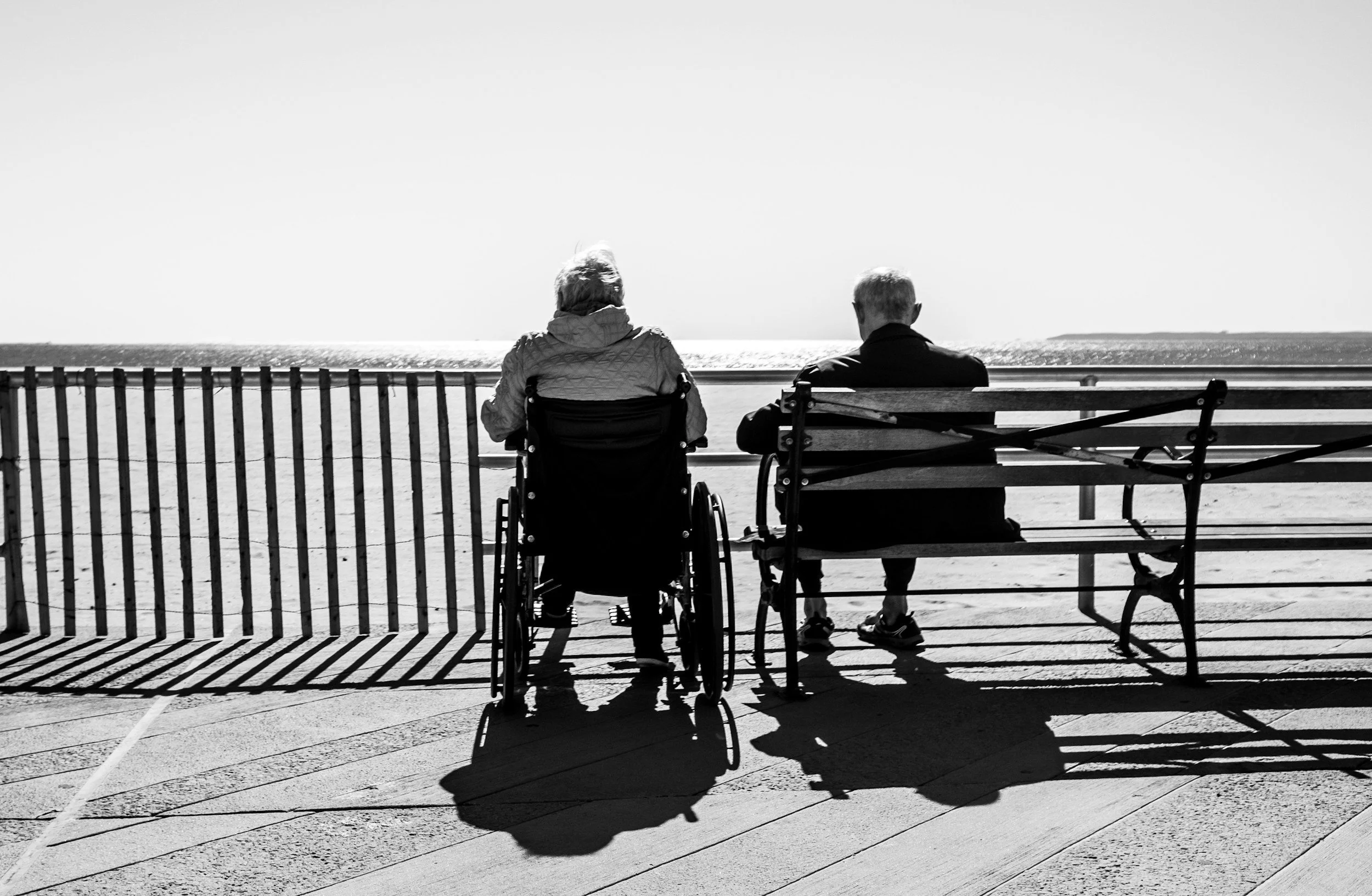
TL;DR: Most Toronto families planning aging-in-place modifications discover true costs too late. Cathy Soda spent a year searching for an accessible home when renovation planning with early builder input would have cost less time and money. Pre-construction consultation reveals what your property allows, what your structure requires, and what building codes mandate before you commit to purchases or designs.
What You Need to Know About Aging-in-Place Costs
In-home care costs $19 to $75 per hour in Canada ($150 to $600 daily), but 64% of Canadians over 65 don't know this
Home modifications average $9,500 nationally, with major accessibility projects exceeding $50,000
Only 13% of Canadians over 45 have planned for personal support worker costs, despite 90% wanting to age at home
Early builder involvement prevents $25,000+ “surprise” costs and code compliance overruns
The Year-Long Search That Didn't Need to Happen
Cathy Soda delayed her retirement after 40 years in banking.
Not because she wanted to. Because she needed a house big enough for her 92-year-old father, Fred. She spent over a year searching for a property with a main-floor bedroom and the accessibility features he required.
Her story, featured in The Globe and Mail's recent series on aging in place, exposes a pattern we see repeatedly in Toronto. Families make reactive housing decisions under pressure. They don't understand what modifications their current properties allow or what those changes will cost.
The data confirms this. 90% of Canadians over 45 want to remain in their homes as they age. Only 13% have planned for the personal support worker (PSW) care costs necessary to make this work. Just 6% have both planned for and have the means to afford PSW care if needed.
This planning gap forces families into crisis mode. In construction, crisis mode costs money.
What Aging-in-Place Modifications Cost in Toronto
Here's what the numbers look like:
In-home care costs: $19 to $75 per hour in Canada. Over a full day, that's $150 to $600. Nearly two-thirds of Canadians over 65 don't know this.
Home modification costs: National average for aging-in-place remodeling ranges from $3,000 to $15,000. Average projects run around $9,500. Major accessibility projects exceed $50,000.
Specific modifications we price regularly in Toronto:
Fire safety upgrades to homes when additional suites are created for aging parents
Structural and plumbing work to augment existing layouts to work for accessibility and space planning
For basement apartments, there is prep work needed to ensure that the basement will not leak and be a comfortable space to live.
Upgrades to the HVAC system to create separate heating and cooling systems for different suites or areas of the home.
A lot of the time, the problem isn't the cost. The problem is discovering these numbers after you've committed to a property or a design.
Key Point: Budget surprises happen when families commit before they know what their property requires or what building codes mandate.
Why Families Search for a Home for A Year When Modification Takes Months
Cathy spent over a year searching for a house that met her father's needs.
We work with families facing similar situations who take a different path. They evaluate their current property's modification potential before they start house hunting.
One client came to us after their second child arrived. They were deciding whether to move or add a basement suite for aging parents. Through our pre-construction consultation, we identified:
Their lot could support a basement apartment with Committee of Adjustment approval
The existing foundation required waterproofing upgrades
Sprinkler system costs would add $40,000+ to the budget
Total project cost: $85,000 to $110,000
They waived the basement suite and chose a main-floor renovation instead. It better served their immediate family growth needs while keeping future flexibility open.
The difference: they made this decision with full cost transparency before committing to either path.
Key Point: Property evaluation before house hunting prevents year-long searches and rushed purchases.
Three Questions That Prevent Age-in-place renovation cost Surprises
We've built a construction database from every project we've completed in Toronto since 1997. This database allows us to provide pre-design cost estimates. Most contractors wait until after architectural plans are complete to give you numbers.
When families contact us about aging-in-place modifications, we start with three questions:
1. What does your property allow?
Zoning determines whether you add a basement suite, a laneway suite, or a main-floor addition. Committee of Adjustment applications take time and money. Some properties won't get approval, regardless of budget.
We identify these constraints before you pay an architect.
2. What does your existing structure require?
Basement accessibility depends on foundation condition, grading, and waterproofing. Poor grading causes water accumulation. Waterproofing systems prevent future problems.
We've seen families budget $60,000 for a basement suite, then learn they need $25,000 in foundation work first. Early builder involvement prevents this.
3. What does the building code mandate?
Sprinkler systems. Shoring during excavation. Accessibility standards. These requirements aren't optional. They're expensive.
Design that ignores code requirements guarantees budget overruns.
Key Point: Property constraints, structural requirements, and code mandates determine true project costs. Knowing these before design saves money.
What Government Support Programs Are Available for aging in place
The federal Home Accessibility Tax Credit (HATC) allows eligible households to claim up to $20,000 in qualifying renovation expenses annually. The maximum tax credit is $3,000.
Toronto's Renovates program offers:
Forgivable loans up to $20,000 for essential repairs
Grants up to $5,000 for accessibility improvements (ramps, modified bathrooms)
Most families learn about these programs after they've financed their project. We provide this information during initial consultations. Whether you hire us or not.
Transparency means you know all your options before you commit.
Key Point: Federal tax credits and Toronto grants reduce aging-in-place costs, yet most families find out too late to use them.
Why Aging at Home Is the Preference, Not the Plan
82% of Canadians would only consider assisted living as a last resort. The preference for aging at home has grown 5% in the last two years.
Preference without planning creates the scenario Cathy Soda experienced. Reactive searching, delayed retirement, compressed timelines, and limited options.
We're seeing more requests for aging-in-place features. 76% of home remodelers reported increased requests from 2020 to 2023. Grab bars in bathrooms are now the most popular feature. 93% of remodelers added them in 2023.
Clients are becoming more informed about what they need. What's missing is understanding what their specific property supports and what modifications will cost.
Key Point: Demand for aging-in-place modifications is growing, yet most families still don't plan for costs or feasibility before crisis hits.
How our Pre-Construction Service Protects Your Budget for aging in place projects
We created a pre-construction service for aging-in-place planning situations.
Cost: $1,500 to $4,000 + HST, depending on project complexity.
What you get:
Property assessment for modification feasibility
Zoning analysis and Committee of Adjustment requirements
Structural evaluation (foundation, grading, waterproofing)
Code compliance review (sprinklers, accessibility standards)
Detailed cost estimate based on our project database
Government funding program guidance
No commitment to build required. You get the information you need to decide whether to modify your current property, buy a different one, or explore other options.
This service exists because we've seen families commit to designs they couldn't afford or properties that couldn't support the modifications they needed.
Key Point: Pre-construction service costs $1,500 to $4,000 + HST and provides feasibility analysis, cost estimates, and funding guidance before you commit.
What Early Builder Involvement Prevents poorly planned aging in place renovations
Early builder involvement prevents:
Budget overruns: Discovering structural issues mid-project adds $25,000+ in unexpected costs
Scope changes: Code requirements that surface late force expensive design revisions
Financing uncertainty: Unknown costs create stress and near-cancellations
Design revisions: Architectural plans that ignore builder input need costly rework
Property purchases: Buying homes that won't support intended modifications wastes time and money
Collaborative design between a Builder and architectural design team prevents cost increases. We integrate into the design phase before construction starts, not after. This protects your budget and enables design changes when they're still inexpensive to make.
Proper planning in pre-construction saves you money, time, and stress during construction.
Key Point: Builder involvement during design prevents structural surprises, code violations, and budget overruns that add $25,000+ to project costs.
What Cathy's Story Teaches About proper Planning for aging in place
Cathy Soda's year-long search could have been shortened if she'd known what modifications were possible on properties she owned or was considering.
The planning gap that affects 87% of Canadians who want to age in place isn't about desire. It's about information.
You need transparency about true project costs before you commit to properties, designs, or timelines. You need to understand what your specific situation allows, what it requires, and what it costs.
We built our business on providing this information upfront, whether you hire us or not.
If you're planning for aging-in-place modifications, for yourself or family members, start with three questions:
What does your property allow?
What does your structure require?
What does the code mandate?
Get answers before you commit. The $40,000 surprise you avoid is worth more than the consultation you invest in.
Frequently Asked Questions about aging in Place in Toronto
How much does aging-in-place renovation cost in Toronto?
Home modifications average $9,500 nationally. Major accessibility projects in Toronto exceed $50,000. Committee of Adjustment applications cost between $2,126 to $6,187 plus representation fees. Total costs depend on your home’s current layout, how much of the space you are planning on renovating, where in your home you are renovating, and if there are any structural or plumbing modifications necessary.
What government funding is available for aging-in-place renovations?
The federal Home Accessibility Tax Credit (HATC) allows you to claim up to $20,000 in qualifying expenses annually for a maximum tax credit of $3,000. Toronto's Renovates program offers forgivable loans up to $20,000 for essential repairs and grants up to $5,000 for accessibility improvements like ramps and modified bathrooms.
Do I need to move to accommodate aging parents or should I renovate?
Evaluate your current property's modification potential before house hunting. Property assessment reveals whether your lot supports basement apartments, what your foundation requires, and what building codes mandate. Pre-construction consultation costs $1,500 to $4,000 + HST and provides this analysis before you commit to moving or renovating.
What building code requirements apply to basement suites for seniors?
Basement suites typically require fire safety systems, proper foundation waterproofing, adequate grading for drainage, accessibility standards compliance, and Committee of Adjustment approval for zoning variances. Code requirements aren't negotiable and can add substantial costs to projects.
How long does aging-in-place renovation take in Toronto?
Timeline depends on project scope, Committee of Adjustment approval (if needed), and structural work required. Pre-construction consultation takes 2 to 4 weeks. Committee of Adjustment applications add months to timelines. Foundation work, waterproofing, and sprinkler installation extend project duration. Early builder involvement provides accurate timelines based on your specific property.
When should I involve a General Contractor in aging-in-place planning?
Involve a General Contractor before you engage a designer. Early builder involvement identifies property constraints, structural requirements, and code mandates before design starts. This prevents budget overruns from mid-project surprises and enables design changes when they're still inexpensive to make. Better yet, get The Constructible Design Co. involved and you will get design and construction feedback all in one service offering (they also have in-house experience with accessibility design for aging-in-place).
What's the difference between pre-construction consultation and full construction services?
Pre-construction consultation costs $1,500 to $4,000 + HST and includes property assessment, zoning analysis, structural evaluation, code compliance review, detailed cost estimates, and funding guidance. No commitment to build required. You get information to decide whether to modify your property, buy a different one, or explore other options. Full construction services begin after we have gathered all of the necessary information and we mutually decide to enter into a construction agreement.
Why do families discover $40,000+ cost surprises during aging-in-place projects?
Families commit to designs or property purchases before understanding structural requirements or code mandates. Common surprises include sprinkler systems ($40,000+), foundation waterproofing ($25,000+), Committee of Adjustment fees, and accessibility standard compliance costs. Early builder involvement prevents these surprises by identifying true costs before you commit.
Key Takeaways
90% of Canadians over 45 want to age at home, yet only 13% have planned for personal support worker costs ($19 to $75 per hour).
Aging-in-place modifications average $9,500 nationally, with major Toronto projects exceeding $50,000 when sprinkler systems, foundation work, and code compliance are included.
Pre-construction consultation ($1,500 to $4,000 + HST) reveals what your property allows, what your structure requires, and what building codes mandate before you commit to purchases or designs.
Early builder involvement prevents $25,000+ surprise costs from foundation issues, code violations, and structural requirements discovered mid-project.
Federal Home Accessibility Tax Credit provides up to $3,000 in tax credits. Toronto's Renovates program offers forgivable loans up to $20,000 and grants up to $5,000 for accessibility improvements.
Property evaluation before house hunting prevents year-long searches and rushed purchases of homes that don't support needed modifications.
Builder and architect collaboration during design protects budgets and enables inexpensive design changes before construction starts.
Contact BVM Contracting for a no-obligation pre-construction consultation. We'll assess your property's modification potential and provide detailed cost estimates based on 27 years of Toronto residential construction data.
No pressure. No commitment. The information you need to make the right decision for your family.


About BVM COntracting
BVM Contracting is a full-service General Contractor or Home Builder located in Toronto. We provide home renovation and building services for major home renovations and custom home builds (full interior renovations, home additions, lot severances, new home construction, garden suites, and laneway suites). Our goal is to help guide our clients through the process of building their home, from concept to completion.
Further than providing General Contracting and Project Management for major home renovations, we also offer value-added services such as renovation financing, renovation rebate consultations and services, building permit and design services, smart home installation services, and real estate investor services.
To learn more about our offering by visiting our services page. Learn more about our vision, mission, and values here.