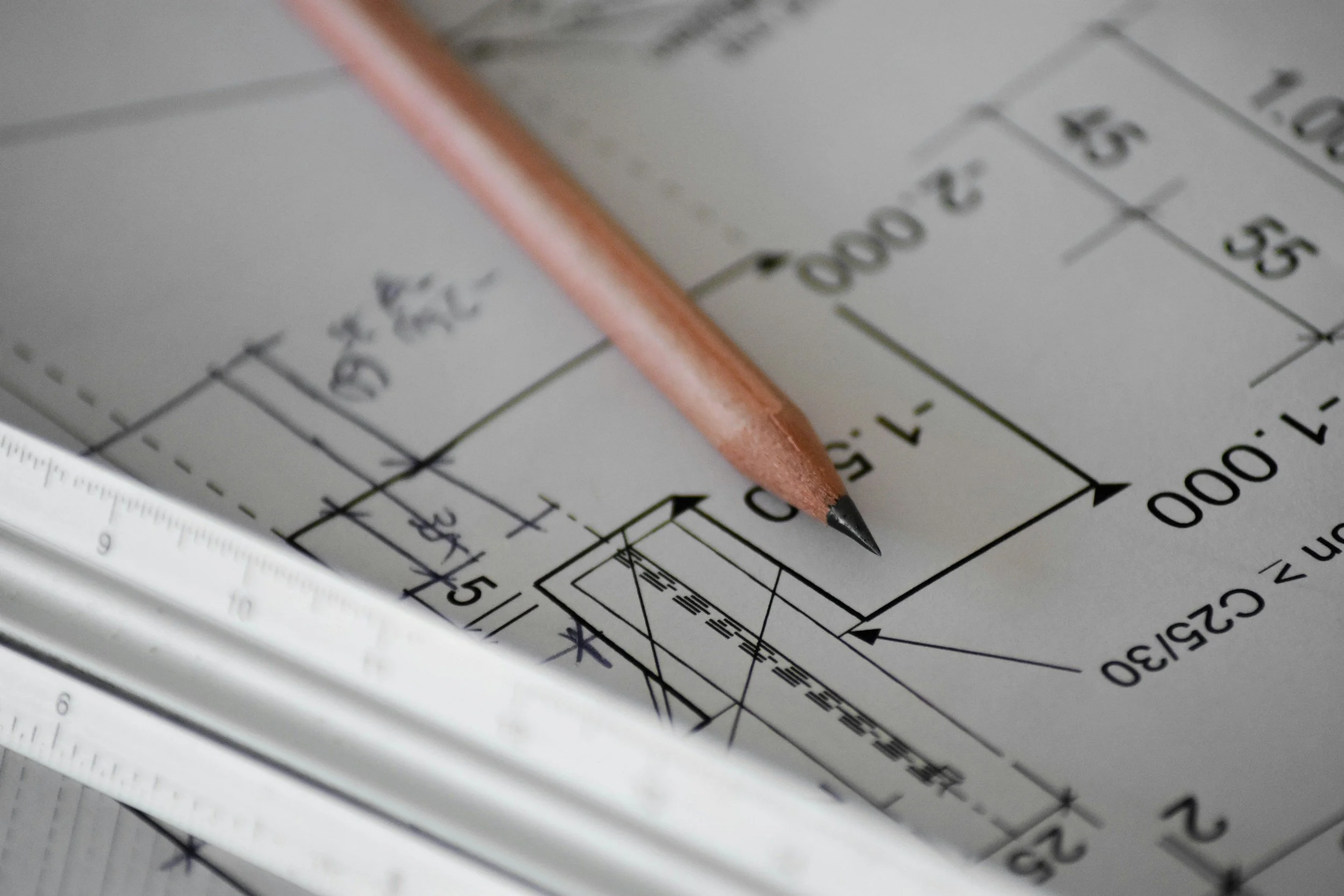
TL;DR: Nine out of ten permit-ready renovation designs in Toronto never get built because nobody tests them against real construction costs until after plans are complete. By the time builders see finished designs (usually at month 5 or 6 of an 8-month process), projects are often $200,000 over budget. Change orders from poor planning add up to 10-20% of total build costs. The solution is embedding builder expertise during design, not after.
Core Answer:
Design firms get paid whether your house gets built or not, creating zero incentive to say "no" to expensive requests
Builders typically see plans when they're 100% complete, becoming "the bad guy" who delivers budget reality too late
Cheap quotes ($700K vs $800K) leave out properly priced subcontractor work, leading to 10-20% cost overruns through change orders and expensive rework
Material selections (like tile) made without real pricing create cascading cost and logistical problems during construction
Builder involvement from day one reduces change orders to near zero and prevents the $80K+ budget gaps common in Toronto renovations
Why current residential design Services don’t work
Nine out of ten permit-ready designs that get costing after plans are finalized never get built.
Not because they're technically flawed. Not because the engineer missed something. They fail because nobody tested them against the one constraint: what you're able to afford.
This pattern repeats across Toronto's residential construction market. You invest months and tens of thousands into architectural plans. The drawings get stamped. The engineer approves. Everything looks perfect on paper.
Then a builder sees the plans for the first time, and usually way too late in the design process.
The project is $200,000 over budget (this isn’t an exaggeration, we’ve seen this happen). Or the timeline doubles. Or the scope gets stripped back so dramatically the original vision disappears.
As the person who spent hours/days making your plans perfect, your first reaction is mistrust about what you are hearing. You shop for cheaper quotes. You find contractors willing to promise lower numbers. Then you discover what those lower numbers really cost once construction starts.
Why Do Design Firms Skip Cost Reality?
Design firms get paid whether your house gets built or not.
When you ask for something expensive, the design team has no reason to say no. They add it to the drawings. They move forward. They complete the design process without having the difficult conversation about cost.
Design teams prioritize avoiding looking bad over protecting your budget.
Most architects and design teams remain uninformed about construction costs until after the design is completed. They lack the builder network and supply chain access to properly estimate what their designs will cost to build in Toronto.
When they do provide cost guidance, the number is usually an arbitrary cost per square foot. This doesn't account for the specific decisions that drive real construction costs: tile selections, structural complexity, mechanical system requirements, and site conditions.
Design firms operate on possibility versus reality. They sell what could be built. Builders live in what will be built, at what cost, in what timeframe.
Bottom Line: The incentive misalignment between design firms (paid regardless of buildability) and clients (who need constructible designs) creates the 9-out-of-10 failure rate.
When Should a Builder See Your Plans?
In a typical eight-month design process, builders first see plans at month five or six.
The design is 100% complete. You're already set on designing things a certain way. The drawings are ready for permit submission.
The builder becomes the bad guy who delivers the news nobody wants to hear.
This timing creates a predictable disaster. You've invested significant time and money. You've made emotional commitments to specific design elements. You've told family and friends about your plans.
Now you're told the budget doesn't work.
Your options at this stage are limited and expensive:
Substantially reduce scope
Wait and save more money
Shop for the cheapest quote and hope for the best
Most homeowners choose the cheapest quote. Almost all of them regret it (at least the ones that reach back out to us have).
Reality Check: Once designs reach 100% completion without builder input, backtracking costs time and money while emotional investment makes rational budget decisions nearly impossible.
What Gets Left Out of Cheap Quotes?
Building costs aren't different between builders if everything is priced out properly.
The key phrase: "if everything is priced out properly."
When you see an $800,000 project quoted at $700,000, something is missing. Either the contractor hasn't priced everything properly, or they're estimating based on instinct rather than actual subcontractor quotes.
The question to ask: "Is this pricing based on actual quoted values from subcontractors and vendors with my address on it?"
Most contractors estimate your project, then figure it out after the fact. This approach transfers risk from the contractor to you. When material costs increase or scope gaps appear, you pay the difference through change orders.
Based on project data from Toronto builds, change orders add up to 10-20% of total build costs when designs lack builder input.
On an $800,000 project, the difference is $80,000 or more in avoidable costs.
The Math: A $100,000 lower quote today typically becomes a $80,000 + overrun tomorrow when change orders from incomplete specifications start appearing. So why deal with the stress of change orders, delays, and rework when you can just account for it from the start?
How Do Small Design Decisions Create Big Cost Problems?
Tile seems simple. Flooring is flooring, right?
Tile is significantly more expensive than hardwood or many other flooring options. The cost varies dramatically based on tile type, size, installation difficulty, and finishing requirements.
In a traditional architectural process, tile selections happen late in the design process (often after builder input, sometimes not at all). You figure it out during the build.
This creates a cost risk:
The design shows "tile in kitchen and bathrooms" without specifying type, size, or installation method
The estimate includes a placeholder number
During construction, you select tile costing three times the placeholder amount
Now you have a change order
The timeline extends
Other trades wait
Costs increase beyond the tile itself
When tile selections happen during design with real pricing, this entire cascade disappears. Though the amount might look larger to start, it avoids the change order bonanza that happens when things aren’t properly planned. If you can avoid change orders, you will avoid a lot of stress, missed deadlines, and potentially costly rework that can all be avoided with proper planning.
Why This Matters: Tile is one material choice. Multiply this pattern across fixtures, finishes, mechanical systems, and structural elements to understand how placeholder pricing creates the 10-20% cost overrun when there is no proper planning process.
Why Is This Disparity between design and construction Costing Getting Worse in Toronto?
Toronto homeowners face a convergence of constraints making design-phase certainty more critical than five years ago.
Interest rates have reduced borrowing power. Property values have declined in some areas. Financial flexibility has decreased.
At the same time:
Material costs have increased
Supply chains remain volatile
Municipal requirements have become more complex
In this environment, discovering budget problems after investing in completed designs is financially devastating. You don't have the flexibility to waste months and thousands of dollars on designs outside your budget.
The traditional model (design first, cost later) worked when money was cheap and timelines were flexible. That era is over.
The Shift: Reduced borrowing power plus increased material costs mean the gap between "design wish list" and "constructible budget" has widened significantly in Toronto's current market.
What Happens When a Builder Gets Involved From Day One?
Early builder involvement prevents the 9-out-of-10 failure pattern.
When construction expertise integrates into the design phase, cost reality enters the conversation before commitments are made. Design decisions get filtered through actual construction costs, material availability, and supply chain constraints in Toronto.
The goal: reduce construction change orders to as close to zero as possible. With the complexity of major renovations and home builds, the number will never be zero. But zero is the right target.
This approach requires a different business model. Design teams need partnerships with builders who provide real-time costing without requiring you to commit to using those builders for construction.
The value is in the information, not in locking you into contracts.
When you understand what separates good from great construction planning, you recognize why some approaches cost more upfront but save significantly during construction.
What You Get: Builder-involved design means every major decision (from tile to structural changes) gets tested against real subcontractor and vendor pricing before drawings are finalized, eliminating the $80K+ surprise at month 6 of your design journey.
What Are the Hidden Costs of Poor Design?
The visible cost: 10-20% in change orders.
The hidden costs are larger:
Projects take longer
Relationships between homeowners and contractors deteriorate
Stress increases
Quality suffers when decisions get made under pressure during construction
Homeowners who choose the cheapest quote after discovering their design is over budget typically experience all of these problems. The contractor who quoted low either didn't price everything properly or plans to make up the difference through change orders.
The number of change orders (and the amount of stress) you are subject to through a construction project are inversely proportional to planning quality. More planning and more detailed drawings mean fewer change orders and way less stress.
The price tag might be higher upfront for comprehensive design services that include builder input. But the construction process becomes less expensive, less stressful, and produces better outcomes.
Total Cost Comparison: Paying $20,000 more for builder-involved design saves you a lot of stress and costly rework during construction, plus potential relationship damage and timeline delays from construction surprises.
What Needs to Change in Toronto's Residential Design Process?
The industry needs to recognize design completion and buildability are not the same thing.
A stamped set of drawings passing engineering review can still be unbuildable at your budget. The current system has no mechanism to catch this problem before significant time and money are invested.
Design teams need access to real construction costing during the design process. Not arbitrary cost per square foot estimates. There needs to be actual construction pricing based on current material costs, subcontractor availability, and site-specific conditions in the Greater Toronto Area and beyond.
You need to understand that paying for design services that include builder input is an investment in construction efficiency, not an additional expense.
The alternative (discovering budget problems after design completion) costs far more in wasted design fees, extended timelines, and construction change orders.
Toronto's residential construction market is moving toward a model where pre-construction certainty becomes the standard. The companies providing this certainty will become the inevitable choice for clients who value clarity over speed.
In a market where 64% of homeowners exceed their renovation budgets, being the exception is a structural advantage.
The Path Forward: Builder-led design models integrate construction expertise from day one, preventing the 9-out-of-10 failure rate by testing every decision against real Toronto construction costs before plans reach 100% completion.
How The Constructible Design Co. Solves This Problem
The Constructible Design Co. (launching in 2026) was created specifically to fix the design-construction disconnect. Led by Ryan Meagher, BVM Contracting's Pre-construction Manager, the company embeds real construction expertise into the design phase from day one.
Every design decision gets tested against actual subcontractor quotes, current material costs, and Toronto supply chain realities before drawings are finalized. Tile selections happen during design with real pricing. Structural changes get costed through BVM's project database and actual vendor input. Mechanical system requirements get coordinated with actual HVAC design teams.
The difference from traditional design firms: The Constructible Design Co. has created a new level of service: Pre-construction Certainty. You get builder-level costing guidance without committing to use any specific builder for construction. The value is in the information, not in locking you into contracts.
The difference from design-build firms: The costing feedback is unbiased. Design-build firms provide costing guidance filtered through their own processes and methods. The Constructible Design Co. provides costing guidance that works regardless of who builds your project.
Interior design services are built into the process, allowing early selections of finishes, tile, and fixtures so you get actual supply and install pricing before plans reach permit stage. The goal is reducing construction change orders to as close to zero as possible.
The Constructible Design Co. only work with clients where their budget matches reality. Every proposal gets tested against real construction costs before you sign a contract, guaranteeing what you want to build is constructible at your budget in the current market.
Frequently Asked Questions
Why do 9 out of 10 permit-ready designs with no costing feedback never get built?
Designs fail because nobody tests them against real construction costs until after design completion (or near-completion). By the time builders see the plans (75-90 percent into the design process), projects are often way over budget. Homeowners then face limited options: reduce scope dramatically, wait to save more money, or choose the cheapest quote (which typically leads to regret).
What gets left out of low construction quotes?
Cheap quotes ($700K for an $800K project) typically lack properly priced subcontractor work. Most contractors estimate based on instinct rather than actual quoted values from subcontractors and vendors. This transfers risk to you. When material costs increase or scope gaps appear, you pay through change orders that add up to 10-20% of total build costs.
When should builders get involved in the design process?
Builders should be involved from day one, not at month 5 or 6 when designs are 100% complete. Early involvement allows design decisions to get filtered through actual construction costs, material availability, and supply chain constraints before commitments are made. This prevents the $80,000+ budget surprises common in Toronto renovations and home builds.
How do material selections like tile affect project costs?
Tile costs vary dramatically based on type, size, installation difficulty, and finishing requirements. In traditional processes, tile selections happen late or not at all. Designs show "tile in kitchen and bathrooms" without specifications. Estimates include placeholder numbers. When you select tile costing three times the placeholder during construction, you get change orders, timeline extensions, and compounding costs beyond the tile itself.
Why don't design firms provide accurate construction costs?
Design firms get paid whether your house gets built or not. They lack builder-level networks and the proper supply chains to get accurate construction costs in Toronto and beyond. When they provide cost guidance, the number is usually an arbitrary cost per square foot that doesn't account for specific decisions driving real costs: tile selections, structural complexity, mechanical systems, and site conditions.
How much do change orders typically add to construction costs?
Based on project data from Toronto builds, change orders add up to 10-20% of total build costs when designs lack builder input. On an $800,000 project, this equals $80,000 or more in avoidable costs. The percentage is inversely proportional to planning quality. More detailed drawings and more planning mean fewer change orders.
Is paying more for builder-involved design worth the upfront cost?
Yes, at least we think so (but what do we know, we’ve only been through the process hundreds of times). Paying more for comprehensive design services, including builder input, saves a lot of stress, costly rework, and avoids change orders. You also avoid relationship damage between you and contractors, timeline delays, increased stress, and quality problems from decisions made under pressure during construction. The construction process becomes less expensive, less stressful, and produces better outcomes.
Why is this problem getting worse in Toronto right now?
Toronto homeowners face reduced borrowing power from higher interest rates, declined property values in some areas, increased material costs, volatile supply chains, and more complex municipal requirements. Financial flexibility has decreased compared to five years ago. You don't have the flexibility to waste months and thousands of dollars on designs outside your budget. The gap between "design wish list" and "constructible budget" has widened significantly.
Is The Constructible Design Co. Owned By BVM Contracting?
No, The Constructible Design Co. is its own legal entity and not owned by BVM Contracting. There is an affiliation with the founder of The Constructible Design Co. working as BVM Contracting’s Pre-construction Manager, but there is no direct link legally to either company. This was done on purpose to allow for unbiased and comprehensive design. The Constructible Design Co. does work with BVM Contracting to craft detailed designs for their projects, but The Constructible Design Co. also works with other talented builders in geographies all over Ontario.
Key Takeaways
Nine out of ten permit-ready renovation designs in Toronto never get built because cost testing happens after design completion instead of during the process
Design firms operate on incentive misalignment: they get paid regardless of buildability, creating zero reason to say "no" to expensive requests or provide real construction costing
Builders typically enter at month 5 or 6 of an 8-month design process when plans are 100% complete, making budget corrections emotionally and financially devastating
Change orders from designs lacking builder input add 10-20% to total build costs ($80,000 on an $800,000 Toronto project) plus hidden costs in timeline delays, relationship damage, and quality problems
Material selections (tile, fixtures, finishes, mechanical systems) made without real pricing create cascading cost problems through placeholder estimates that multiply during construction
Builder-involved design from day one prevents the 9-out-of-10 failure rate by filtering every decision through actual subcontractor pricing, material availability, and Toronto supply chain constraints before drawings reach completion
Toronto's current market conditions (reduced borrowing power, increased material costs, volatile supply chains) make design-phase certainty more critical than five years ago when money was cheap and timelines were flexible



About BVM COntracting
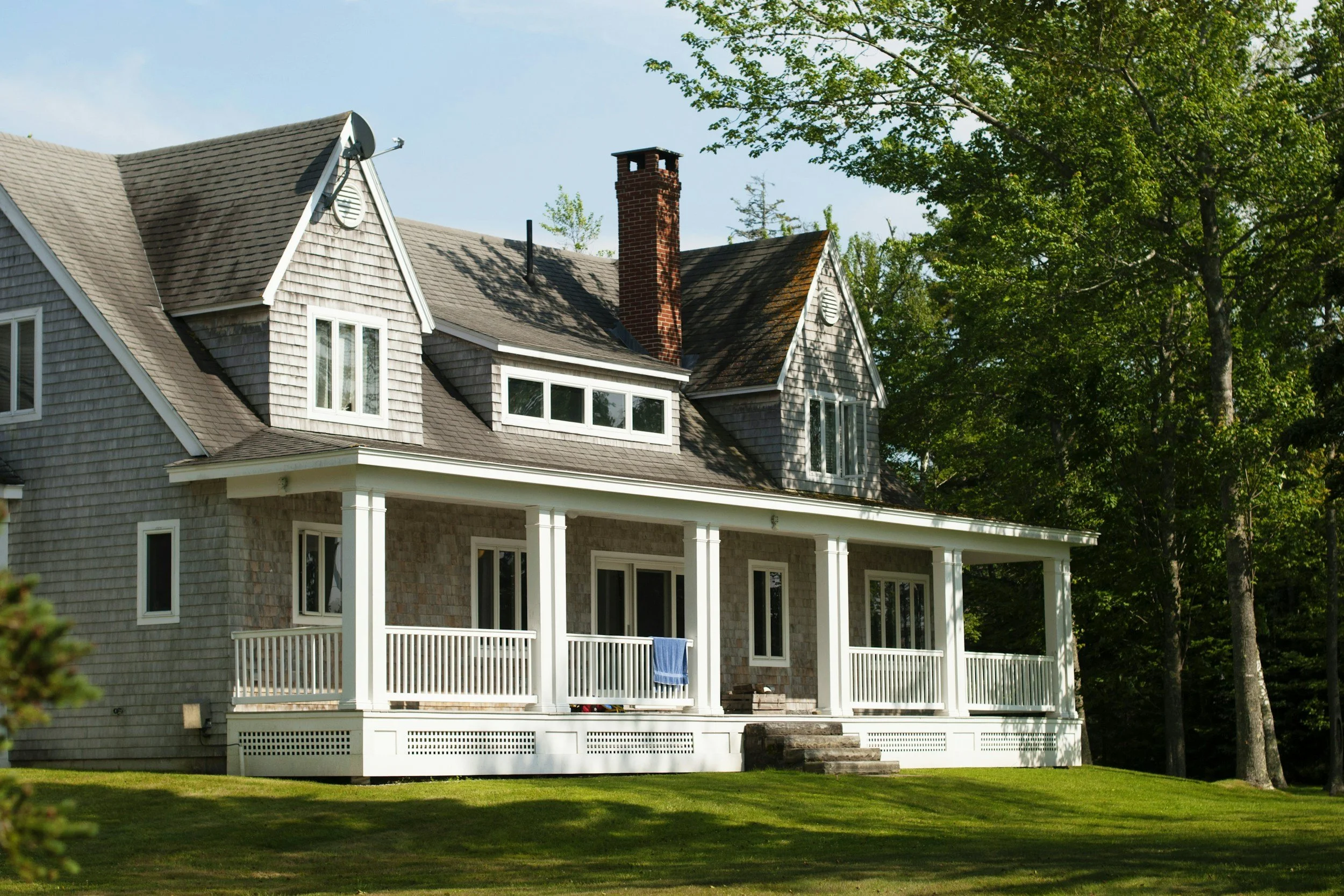
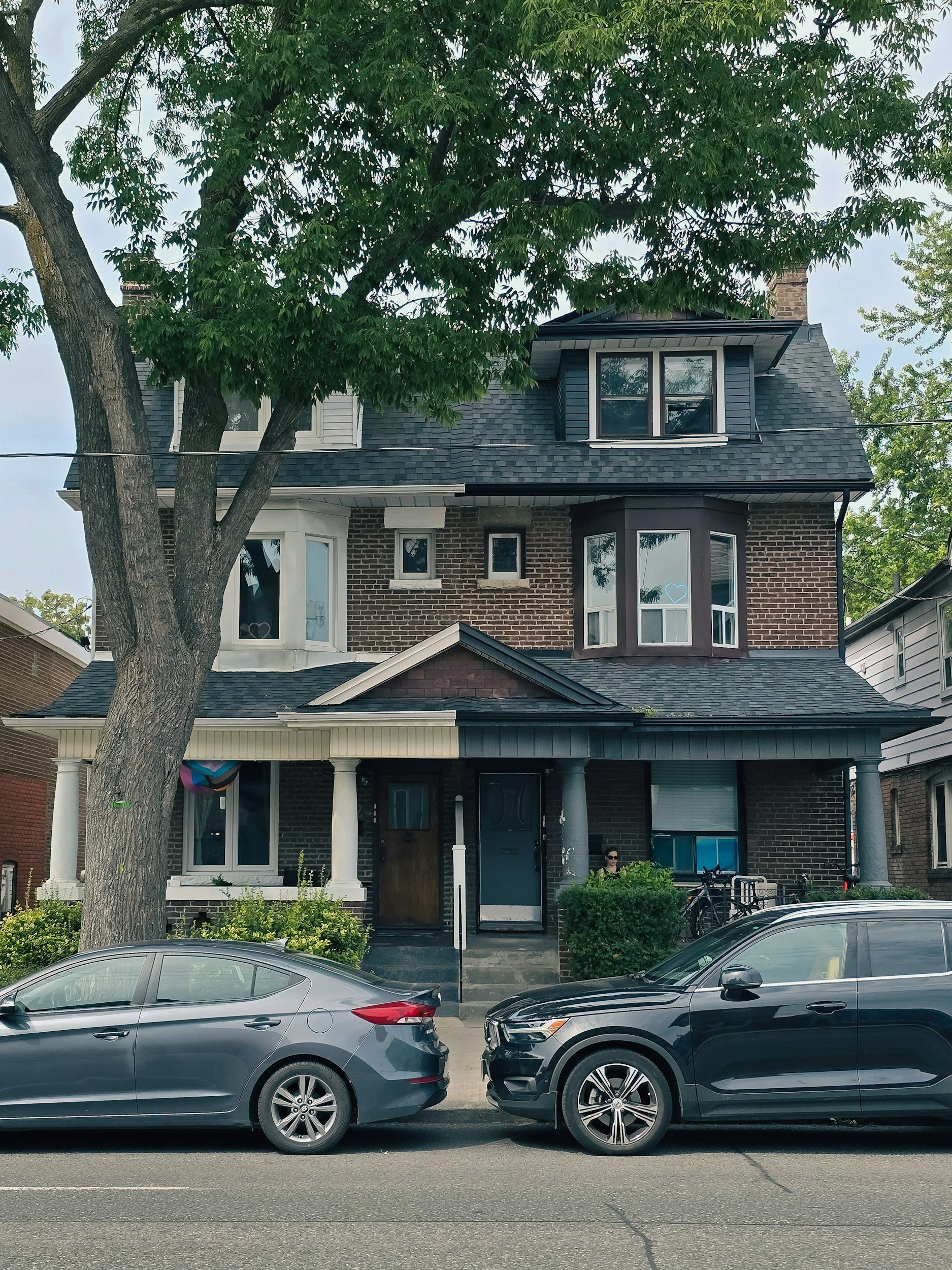
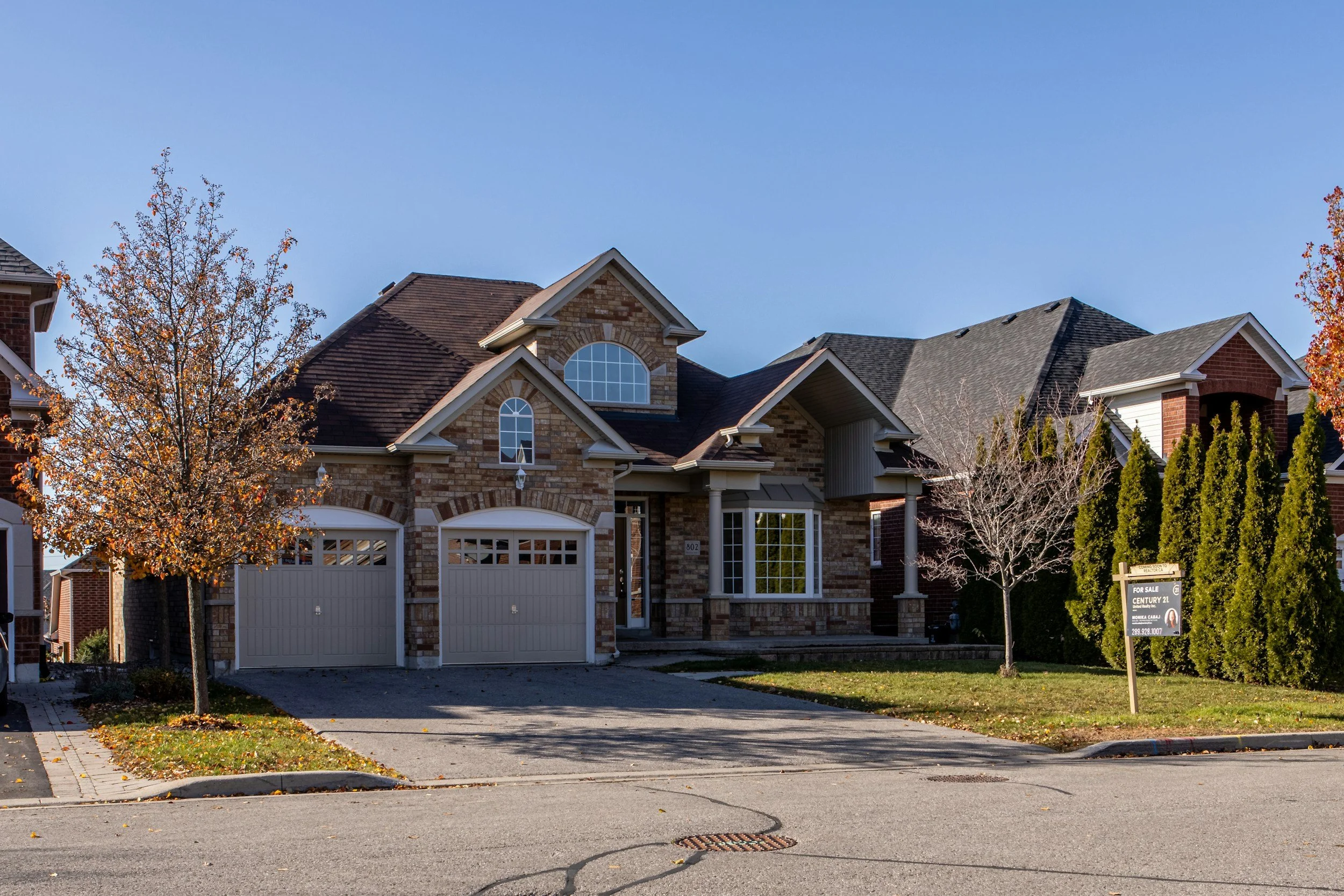
BVM Contracting is a full-service General Contractor or Home Builder located in Toronto. We provide home renovation and building services for major home renovations and custom home builds (full interior renovations, home additions, lot severances, new home construction, garden suites, and laneway suites). Our goal is to help guide our clients through the process of building their home, from concept to completion.
Further than providing General Contracting and Project Management for major home renovations, we also offer value-added services such as renovation financing, renovation rebate consultations and services, building permit and design services, smart home installation services, and real estate investor services.
To learn more about our offering by visiting our services page. Learn more about our vision, mission, and values here.