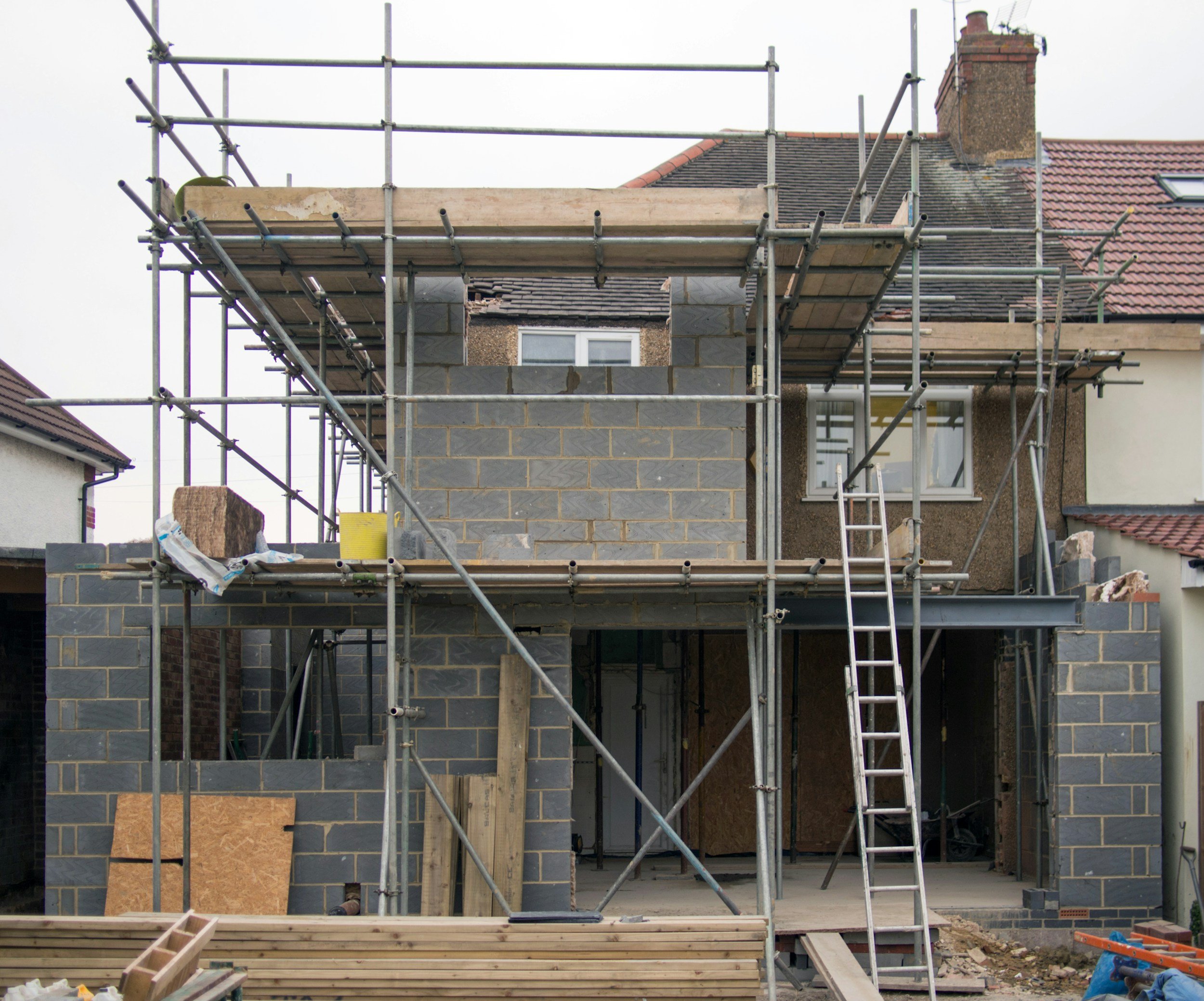
TLDR: A second storey addition in Toronto takes 6–7 months to build — but you'll spend 12–18 months getting there. The planning and permit process is where most families get blindsided. Here's the real timeline, broken into two phases: everything before construction starts, and everything after.
Why Two Timelines Exist (And Why Most Contractors Only Tell You About One)
When Toronto families call us about a second storey addition, they usually come in with one question: "How long will it take?"
The honest answer isn't one number. It's two.
Phase one — planning, design, zoning, permits — runs anywhere from 12 to 18 months before a single nail gets driven. Phase two — active construction — is 6 to 7 months. That means from the day you start seriously thinking about adding a second storey to the day you move back in, you're looking at 18 to 24 months minimum. Sometimes more.
Any contractor who tells you otherwise hasn't done enough of them.
Our first conversation with a family usually happens before they have drawings. Before they've spoken to an architect. Often before they've settled on a budget. That's actually the right time to call — because what you can build, how long it will take, and what it will cost are all shaped by decisions made before any design work starts.
The Planning Phase: Month -12 to Month 0
Here's what 12 months of pre-construction actually looks like, broken down by phase.
Months -12 to -10: Zoning, financing, and feasibility
Before your architect draws a single line, you need to know what the city will allow on your lot. Lot coverage limits, setback requirements, maximum building height — all of it is set by zoning. We walk families through this first. There's no point designing a second storey addition that the city won't approve.
This is also when financing gets sorted. A second storey addition in Toronto isn't a home depot weekend project. Know what you're working with before you start spending on design fees.
Months -10 to -6: City of Toronto zoning approvals
If your project falls within standard zoning, you're submitting for a zoning certificate. If it doesn't — if you need to go bigger or different than what's permitted on your lot — you're applying for variances through the Committee of Adjustment (C of A).
Committee of Adjustment adds 4–6 months to the front end of your project. We tell every family this in the first conversation, because you can figure out very early in the design process whether your project will require it. Delaying that conversation doesn't make the requirement go away. It just wastes time.
Properties in ravine protection areas, tree protection zones, or heritage districts add another layer entirely. We recently started a project in Rosedale where the timeline to get a permit was substantially delayed because of the involvement of Heritage Toronto and the NRRA. That's not exceptional for Rosedale. It's just the reality of building in a heritage district, and families need to know it going in.
Months -6 to -3: Structural, mechanical, and interior design coordination
Once zoning is locked, the coordination starts. Structural engineers, HVAC designers, and interior designers all need to be working off the same set of plans. This phase typically takes 6 to 10 weeks. It's where design gets filtered through real construction costs — and where we help clients make trade-offs that actually work before the budget is finalized.
Months -3 to 0: Permit submission, budget lock, and procurement start
The last stretch before construction: finalize interior selections, lock the budget, submit plans for permit. We need 6–8 weeks for permit review after submission. Then a final buffer before shovels go in.
This is also when finishes need to be selected. Countertops, tile, flooring, fixtures — anything with a lead time. We push every family on this point because it's the single largest timeline killer once construction is underway.
The Construction Phase: Month 0 to Month 7
Seven months. Here's how they break down.
Month 0–1: Demo, foundation, and pre-framing
Demolition happens first. Any work to the basement or foundation — underpinning, structural reinforcement — gets done in this phase. More complex foundation work can push this to 6 weeks. Plan for it if you know it's coming.
Month 1–2: Framing, roofing, windows, and exterior
The addition takes shape. The second storey gets framed, the roof goes on, windows go in. By end of month two, you have a weather-tight envelope. That's the goal of this phase — get it closed in before anything else.
Month 2–3: Plumbing, mechanical, and electrical rough-ins
Each trade sequences in order: plumber and mechanical team first, electrical after. They're slightly staggered because each trade needs clear access and their systems need to be set before the next comes in. Rush this sequence and you're redoing work. Complex exterior finishes may still be ongoing through this phase as well.
Month 3–4: Insulation, stairs, and drywall
Once rough-in inspections pass, finishing work begins. Insulation goes in, then stair install, then drywall. Nine times out of ten, by end of month four the drywall is up and we're transitioning to finishes.
Month 4–5: Trim carpentry, paint, tile, flooring — in that order
The finishing sequence surprises a lot of clients. Trim carpentry first, painting second, tile third, flooring last.
The logic: painters need unobstructed access to walls and doors without finished floors in the way. Tile needs to go in before flooring so nothing gets chipped. Flooring is the last thing installed because it needs to be protected. Trim takes 3–7 days depending on scope. Paint, 5–10 days. Tile, 5–8 days. Flooring, 3–7 days depending on type and square footage.
Month 5–6: Kitchens, bathrooms, fixtures, and mechanical finishes
Once flooring is down, everything comes together. Kitchen cabinetry gets set up and adjusted on site. Plumbing fixtures go into bathrooms. Shower glass gets fabricated and installed. Pot lights, vents, and electrical finishes complete the mechanical work. Custom millwork deliveries can affect this phase — if you've ordered custom cabinetry, the lead time needs to be accounted for long before this month arrives.
Month 6–7: Final inspection, punchlist, and occupancy
We walk the finished space with the client and build a punchlist — every item that needs attention before move-in. We get through the list, pass the final inspection, and hand over the space.
We always recommend completing the punchlist before you move in. Working around furniture slows the trades down and ends up costing everyone time. Get it done clean, then move.
After the final invoice is paid, our 2-year warranty activates — covering drywall pops, paint touch-ups, and mechanical, electrical, or plumbing issues that surface in the first two years.
Real Numbers: The 66 Inwood Avenue Project in East York
Numbers make timelines real. At 66 Inwood Avenue in East York, we added 1,400 square feet to an existing 700 square foot bungalow — more than doubling the home's size. The permitting process stretched longer than it should have because the project had to be put on hold partway through. Under normal conditions, 12 months of planning would have been more than sufficient — they didn't need to go through C of A.
Once construction started in May 2025, we had the family moved back in by November 2025. Seven months, on the nose. The family had actually kept their rental unit into early 2026 because they assumed we wouldn't finish in time.
We delivered, and had them home well before Christmas.
Of those 7 months, about 2.5 were dedicated entirely to finishing work. The rest was structure, envelope, and rough-ins. That's a normal split for a project of that scale.
What Most Homeowners Get Wrong About the Toronto Addition Timeline
You are going to spend more time planning your second storey addition than you will building it. That's not a complaint — it's just how it works when you do it properly.
Most families are genuinely surprised to hear we can complete a home addition in 6–7 months. They've heard 7–12 from other builders. The difference isn't that we cut corners — it's that we coordinate everything before we break ground. Trades scheduled. Materials ordered. Inspections anticipated. When the sequence is locked in before month zero, construction moves.
On the permitting side, the City of Toronto's building department is slow. That's not a secret. But the time you spend in planning isn't wasted — it's the period where you prevent the budget blowouts that come from designing first and costing later.
The three things that reliably blow up construction timelines:
Missing finishes. Tile on backorder. Countertop lead times nobody accounted for. Flooring sitting in a warehouse across the country. Select everything before construction starts. Every item with a lead time. Don't gamble with your schedule.
Poor sequencing. Trades stepping on each other. Rough-ins not ready when inspection is scheduled. Structural questions surfacing mid-build that should have been resolved in pre-construction. This isn't a construction problem — it's a planning failure.
Cash flow problems. Any stalled project in your neighbourhood is stalled because of one of three things: it wasn't priced right, the finishes aren't in, or the finances aren't in good shape. Usually it's a combination. The most efficient home additions are the ones that have been priced properly, scheduled around material and resource availability, and are running with healthy project cash flow.
The BVM Approach: Living Arrangements During a Second Storey Addition
Our policy on this is non-negotiable: families do not live in their homes during active construction. Full stop.
Other companies allow this to make the project appear more affordable on paper. We've had clients share their experience living through these types of projects with other teams. Every time: a disaster. Construction dust in every room. No functional kitchen for weeks. Noise every morning. Safety risks for kids. The money saved on temporary housing isn't worth what it costs in stress, schedule disruption, and quality.
If the numbers only work if you stay in the house during construction, the project isn't ready to go. Budget in the additional living expenses — a rental, family, extended stay — or wait until you can. The Inwood Avenue family had a rental lined up and ended up not needing as much of it as they thought.
That's the best-case outcome. Plan for it.
Key Takeaways
Give yourself at least 12 months of planning before construction starts — more if your project requires Committee of Adjustment approval
C of A adds 4–6 months to the front end; find out if you need it in the first design conversation, not the last
Ravine protection, tree protection zones, and heritage districts each add review time — know your property's constraints before finalizing any design
Select your finishes before construction starts — this is the single biggest timeline factor within your control on the construction side
A well-run second storey addition in Toronto finishes in 6–7 months; if your builder is estimating 10–12, ask specifically why
Families do not live in the house during construction — budget for temporary accommodations as part of the project cost
The 2-year warranty starts after the final invoice is paid, not on a calendar date
Frequently Asked Questions
Q: How long does it take to get a building permit for a second storey addition in Toronto?
A: After you submit complete plans, permit review typically takes 6–8 weeks. But the full process — from initial design through to permit in hand — takes 6 to 12 months, because the design, structural coordination, and zoning steps all happen before submission. If your project needs Committee of Adjustment approval for variances, add another 4–6 months. Start earlier than you think you need to.
Q: Do I need to move out during a second storey addition in Toronto?
A: With BVM Contracting, yes — always. We don't allow families to live on site during active construction. Budget in the additional living expenses for the project or don't do it at all. If that makes the project unaffordable, that's important information to have before you start.
Q: What does a second storey addition cost in Toronto?
A: Costs vary significantly based on square footage, finish level, structural complexity, and whether you need a Committee of Adjustment application. What we can tell you: get real numbers early. Projects that blow their budgets almost always had unrealistic numbers going in — not surprises that came from the field.
Ready to Talk About Your Second Storey Addition?
If you're at the stage where you're trying to figure out whether a second storey addition makes sense — what you can actually build, what it'll realistically cost, how long the whole process takes — that's exactly when to call us. Not after you've spent $15,000 on architectural drawings for something that won't get approved.
We work with Toronto families through every phase of the process, from that very first conversation to final inspection. Book a call with our team directly at bvmcontracting.com.
Related Reading: