TLDR: Most Toronto families compare the sticker price of a renovation to the listing price of a new house — and miss $100,000 or more in moving costs they'll never see again. The real decision is more nuanced than that, and getting it right requires numbers from both a builder and your bank, not just your realtor.
The Conversation We Have Every Week
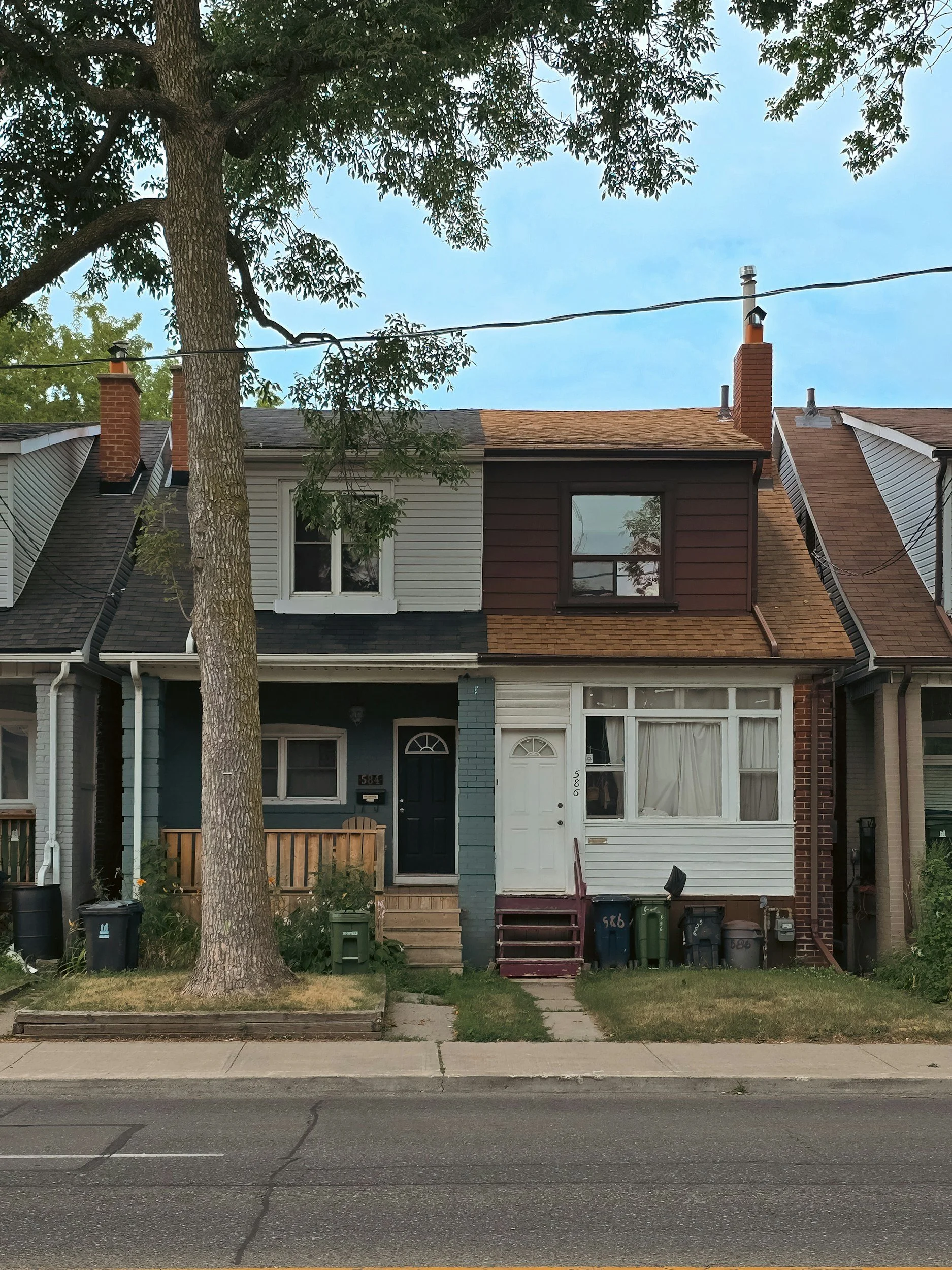
A family outgrows their house. Second kid. Parent moving in. Two years of working from home in a space that was never designed for it. Whatever the trigger, the first instinct is usually to scroll listings. The second — once they see what comparable homes cost in their neighbourhood — is to call us.
We've sat across from a lot of families at this exact crossroads. And the one thing almost all of them have in common: they're working with incomplete math. Not because they're not sharp. Because the people they've been talking to have only given them half the picture.
What Moving Actually Costs in Toronto
This is where the gap starts. When families compare renovating to moving, they typically subtract their current home's value from a target home's price and treat that as "the cost of moving." It's not close.
The real cost of moving in Toronto looks more like this:
Realtor commission: Typically 4–5% on the sale. On a $1.5M home, that's $60,000–$75,000 before you've even started shopping.
Land transfer tax — twice over: Toronto is one of the only cities in Canada where you pay both provincial and municipal LTT. On a $1.8M purchase, you're looking at roughly $57,000. First-time buyers get a rebate. Everybody else pays it in full.
Legal fees, moving costs, and bridge financing: Add another $10,000–$20,000 depending on your situation and timing.
Carrying costs during the gap: If there's any overlap between your sale and purchase — and in Toronto's market there often is — you're covering costs to live somewhere in between.
All of that money practically disappears overnight when the transaction closes. It doesn't go toward your new home. It doesn't build equity. It's gone. Some families look at that $100,000–$150,000 and decide they'd rather put it toward making their existing home work better for them — and on many projects, that's exactly what it does.
What Adding On Actually Costs
Now for the other column.
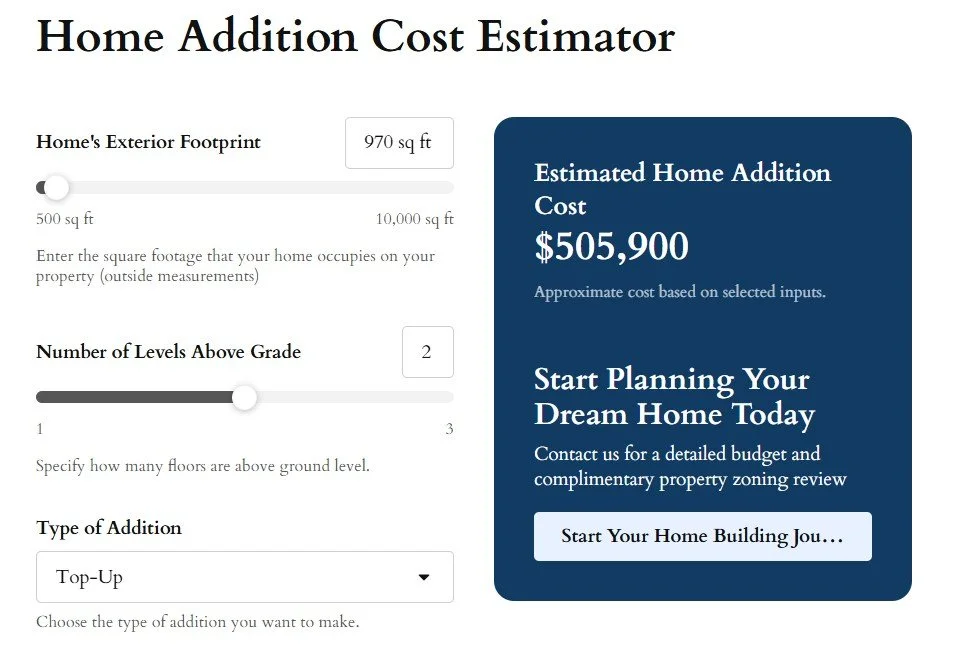
Adding 600–800 square feet to a modest single-level Toronto home typically runs $400,000–$750,000. That range is wide for a reason. It moves based on whether the basement is being touched, what finishes are selected, how much interior work the addition triggers, and whether the structure or site creates complications.
That's a real number, and we put it in front of clients early. Not after they're excited about the design. Before.
What's also worth knowing: not every space problem needs an addition. We recently started a project at 79 Kimberley where a smart interior renovation solved the whole problem — adding the extra bedroom our clients needed ahead of their newborn without touching the footprint. Sometimes unlocking what's already there is all you need.
The families who tend to be best positioned for an addition are the ones who've built meaningful equity over the past several years and whose income has grown with it. The construction cost has to make sense against what they have to work with, and against what staying in that specific neighbourhood is actually worth to them.
What Most Homeowners Get Wrong
The single biggest mistake? Running this math with only one type of advisor.
They don't reach out to a home builder and only talk to real estate agents. Realtors are good at their job. But they get paid when you sell — and that's not a criticism, it's just the system they operate in. Their incentives point in one direction.
Good builders aren't built that way. For us, we've gotten plenty of business from telling people to move, when we could have told them to stay and build. We've built a reputation for giving you the truth, even if that means guiding you away from us. We do this because we know that if you're the right fit, you'll come back — and they often do. The family at 62 Birchmount is a good example: they decided to sell after talking through the numbers with us, and when they needed renovation work done at their new place, they came back. That's what telling the truth earns.
You need someone who can give you real construction costs — not a rough ballpark, a scoped number. Without that, you're making a six-figure decision with half the data.
The Toronto Factors That Change Everything
A few things make this decision uniquely complicated in this city that people from other markets don't fully appreciate.
School zones. This comes up in almost every family conversation involving kids of school age or close to it. Leaving the right zone can feel like giving something up that no listing price fully compensates for — and that sits entirely outside the financial model. It belongs in the decision anyway.
Neighbourhood attachment. We ask every family how fluid they are geographically. If the answer is "wherever, as long as we get more space" — that's a strong signal they're going to move. The more particular you are about where you live, the fewer options the market can actually offer you. When the Swansea house isn't available and the High Park prices have moved, and you're not willing to go to Etobicoke — suddenly improving what you have looks a lot more reasonable.
And the real estate market doesn't run on your timeline. "Buying up" assumes you can find the right home, in the right neighbourhood, at a price that works — and that it becomes available when you need it. A home addition is disruptive, but it gives you more control over the outcome than the listing market does.
Where We'd Honestly Tell You to Sell
Some additions just don't pencil out. That's the truth, and we say it.
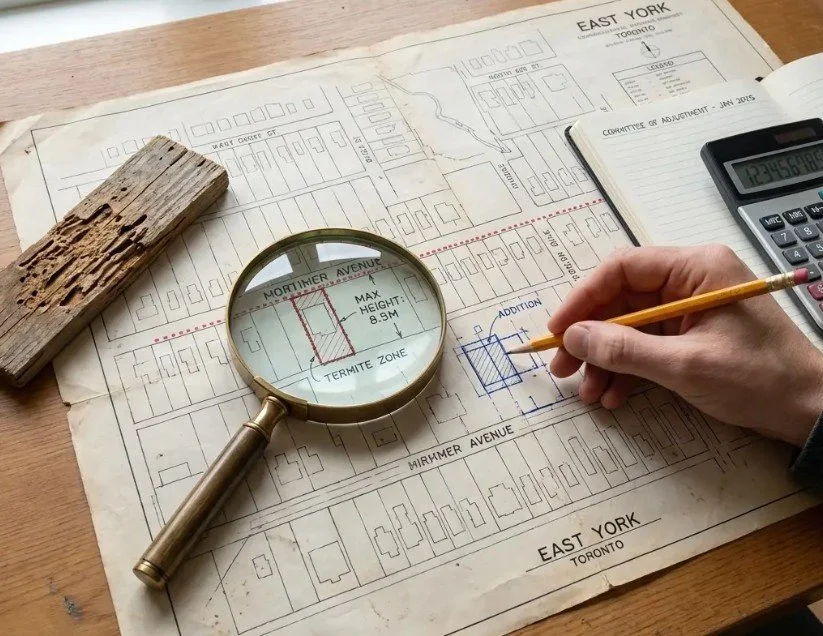
If a family needs significant additional square footage and their current lot can't support it — due to setbacks, existing structure, or site conditions — the cost can climb past the point where staying makes financial sense. If someone is genuinely open to any neighbourhood in the GTA and has no deep roots, moving can absolutely be the right answer.
The tipping point is different on every project. That's why we don't give one-size-fits-all answers. What we do is work through the actual numbers on both sides — real construction costs in one column, real moving costs in the other — so the decision is grounded in data, not whoever you talked to last.
The Emotional Layer Nobody Actually Says Out Loud
The finances narrow the field. Emotion usually makes the final call.
The more attached you are to your home, your street, your neighbourhood — the more likely you are to find a way to make a renovation or addition work, even when the spreadsheet is borderline. Sometimes, if you look at a project purely from a financial lens, it doesn't fully justify itself. But when you factor in what it actually costs to leave a school zone, a community, the street where your kids have their friends — it really muddys the decision-making matrix.
That weight is real and it deserves to be in the conversation. What we try to do is fill in the construction costing so the emotional side of the decision doesn't have to carry the whole load. When you actually know the numbers on both sides, the right answer tends to get clearer on its own.
Key Takeaways
Moving in Toronto costs $100,000–$150,000+ in fees that build zero equity — this never shows up in the listing-vs-listing comparison
A 600–800 sq ft home addition typically costs $400,000–$750,000 in Toronto, depending on scope
Not every space problem requires an addition — a well-planned interior reno can solve it for less
Talk to a builder and a realtor. You need both sides of the number, not just one
How flexible you are geographically is probably the single biggest predictor of whether you'll stay or go
School zones and neighbourhood roots are legitimate factors — they belong in the decision alongside the financials
The best outcome for your family comes from having complete data on both sides, not a pitch from one advisor
Frequently Asked Questions
Q: Is it cheaper to renovate or move in Toronto right now?
A: Depends on the scope — but when you account for land transfer tax, realtor commission, legal fees, and carrying costs, moving typically costs $100,000–$150,000 that goes nowhere. A targeted renovation or addition can cost less and keeps your equity intact. The comparison is never as clean as renovation price vs. new home price.
Q: How much does a home addition cost in Toronto?
A: For a 600–800 sq ft addition on a single-level home, budget $400,000–$750,000. That range moves based on the complexity of the project, whether the basement is part of the scope, and your finish level. We scope each project individually — there's no accurate number without looking at your specific property.
Q: Should I talk to a realtor or a builder first?
A: Both — but know what each one can actually tell you. A realtor tells you what's selling. A builder tells you what it costs to improve what you already have. You need both numbers to make a real decision. If you only have one side of the equation, you're filling in the other half with guesswork.
Ready to Run the Numbers on Your Home?
If you're seriously weighing an addition against a move, we're happy to walk through the costs with you — no pitch, no pressure. Just real construction numbers alongside the real cost of moving, so you can make a decision that actually fits your family. Book a call with the BVM team at bvmcontracting.com.
Related Reading:


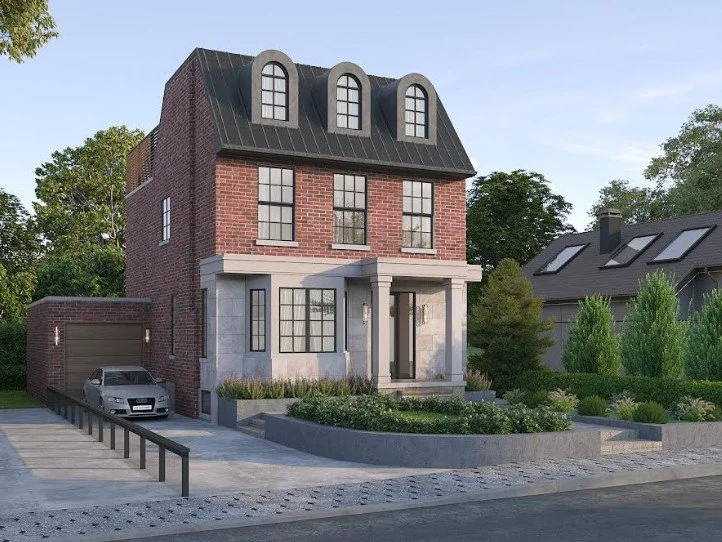

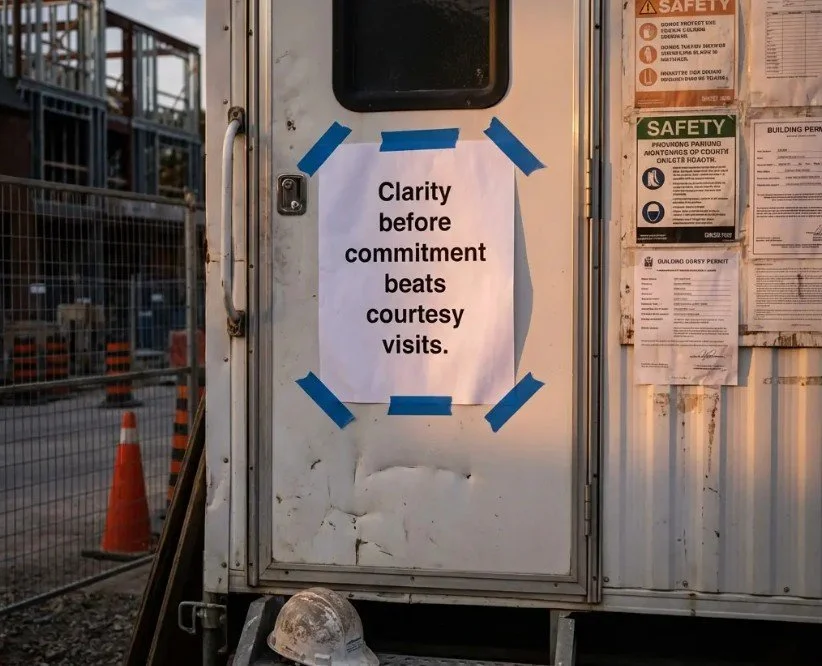


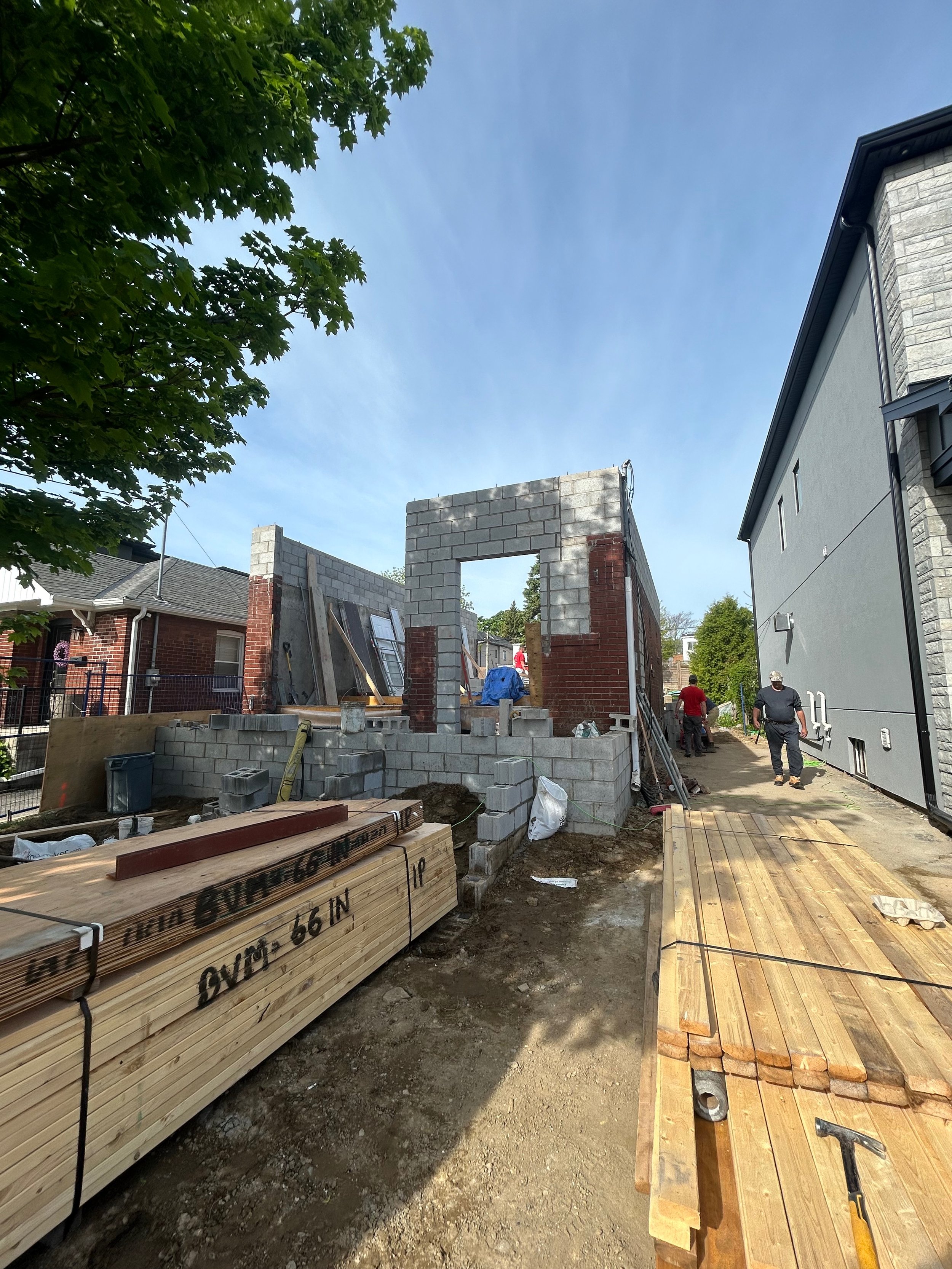


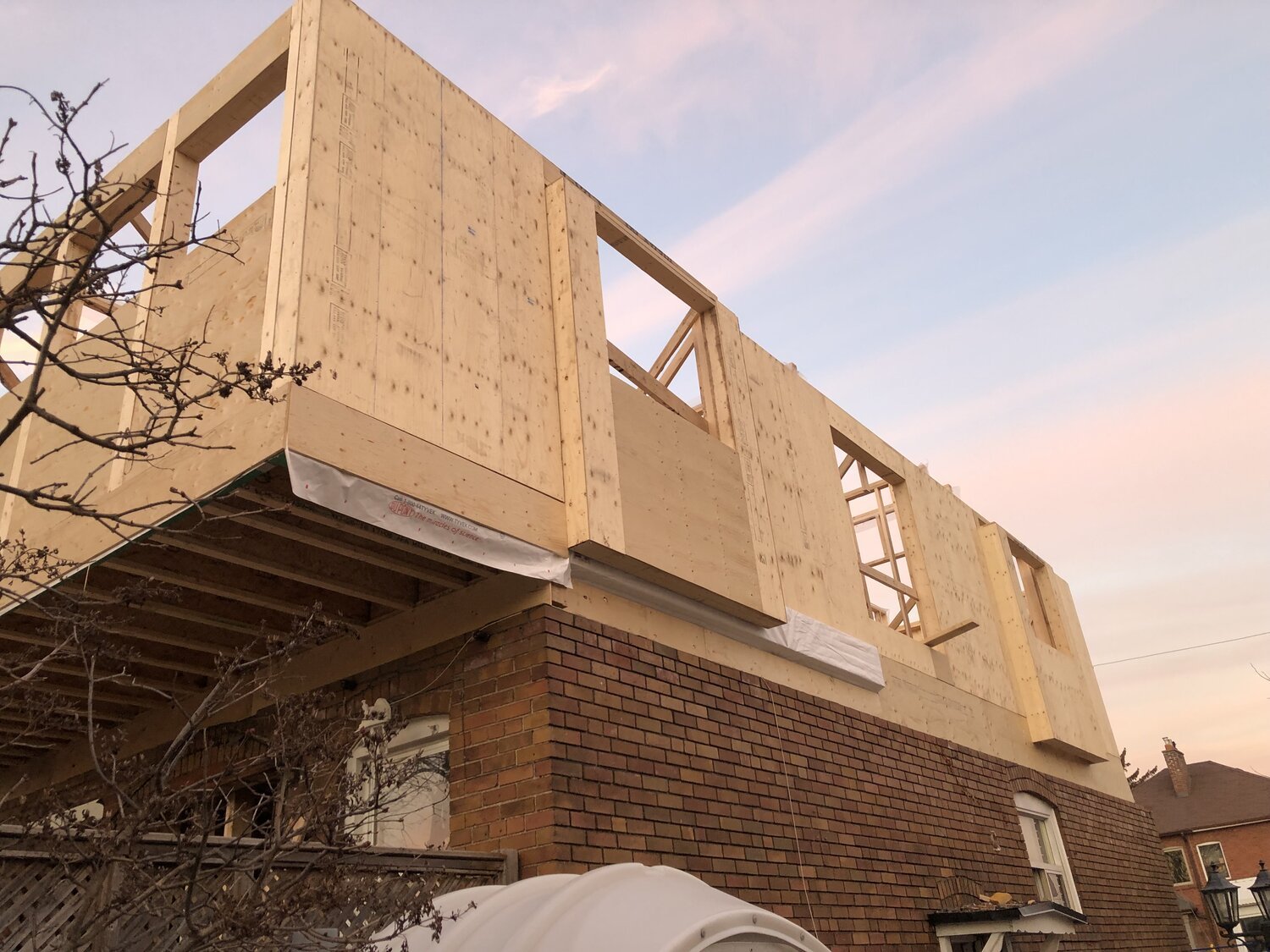

What started out as an innocent site meeting to make sure that they were keeping their chosen General Contractor honest lead to working with BVM Contracting after Alex and Katherine learned more about our honest and transparent building approach. Learn more about their project and how we helped them build the home addition of their dreams in East York!