
Project Case Study Summary
TLDR: A self-employed couple in East York spent over two years planning their bungalow expansion and addition as interest rates climbed and borrowing capacity shrank. Through four budget reassessments, we pivoted from underpinning to raising the main floor level (saving tens of thousands), navigated architectural partner changes, and maintained weekly contact to keep the project alive through pre-construction.
The key lesson: pre-construction agreements and deliverables create the mutual commitment needed to weather economic storms and make better decisions under pressure.
Home Addition Project Information
Project Type: Home extension, second level Addition, and full interior renovation
Location: Pape Village, East York, Toronto
Scope: 390 sq ft Extension, 1135 Square foot second level addition + Basement and main floor Interior renovations (2175 Total Square footage above grade)
Duration of Construction: 8 months
Timeline of our services: Pre-construction through to completed construction (3 years)
Client: Established family (2 parents, 3 children)
Project Cost: Inquire here
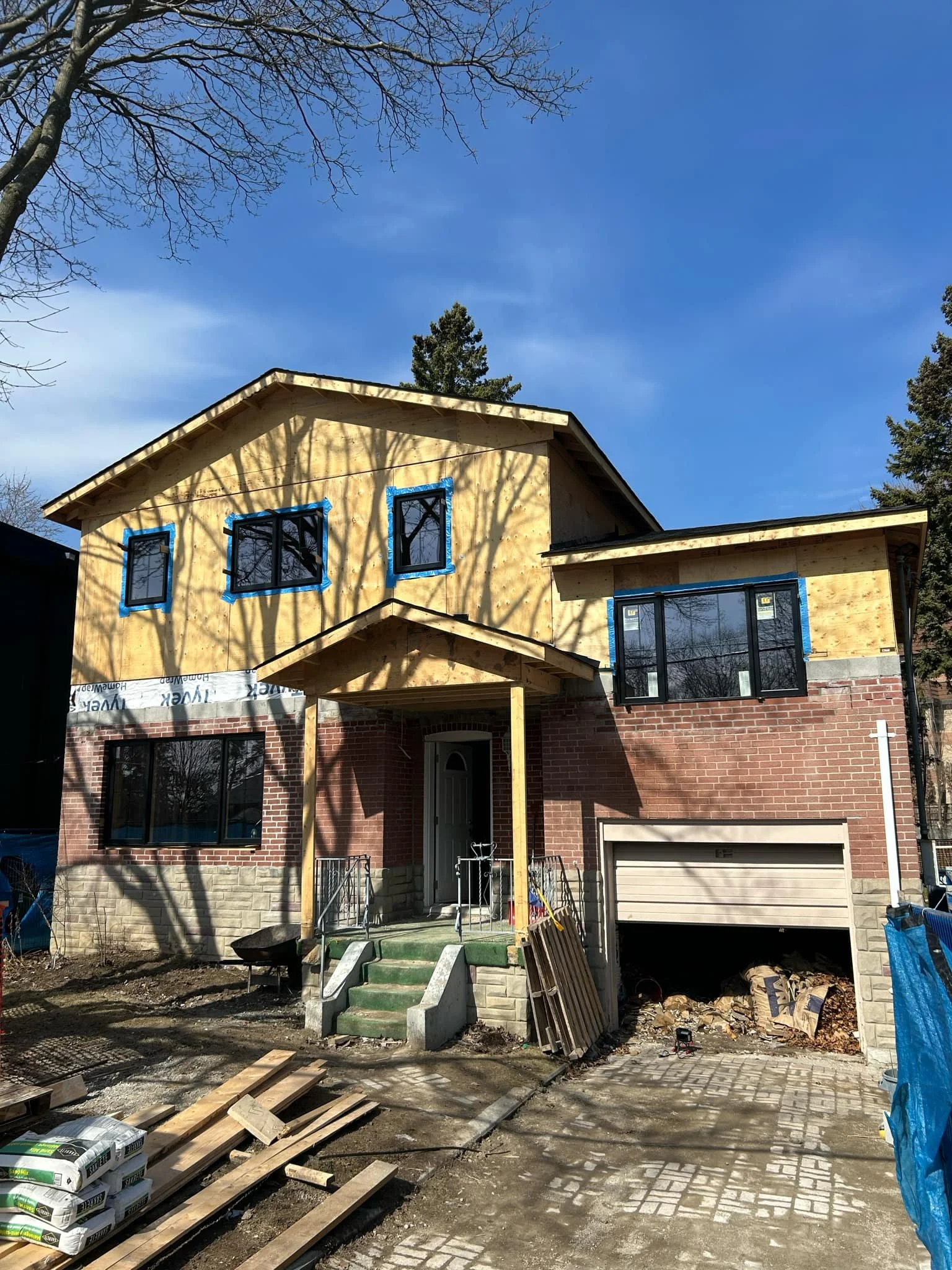
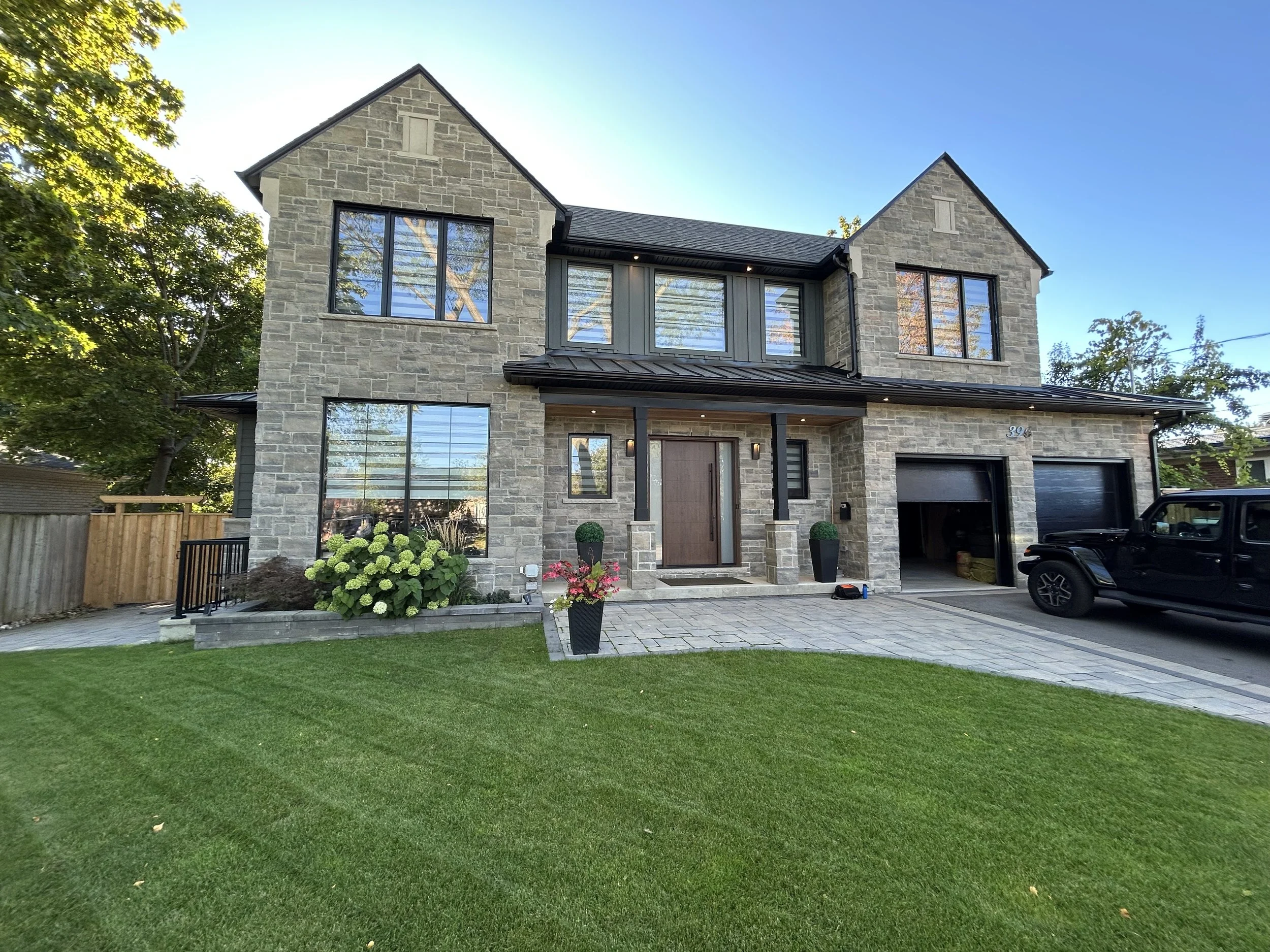
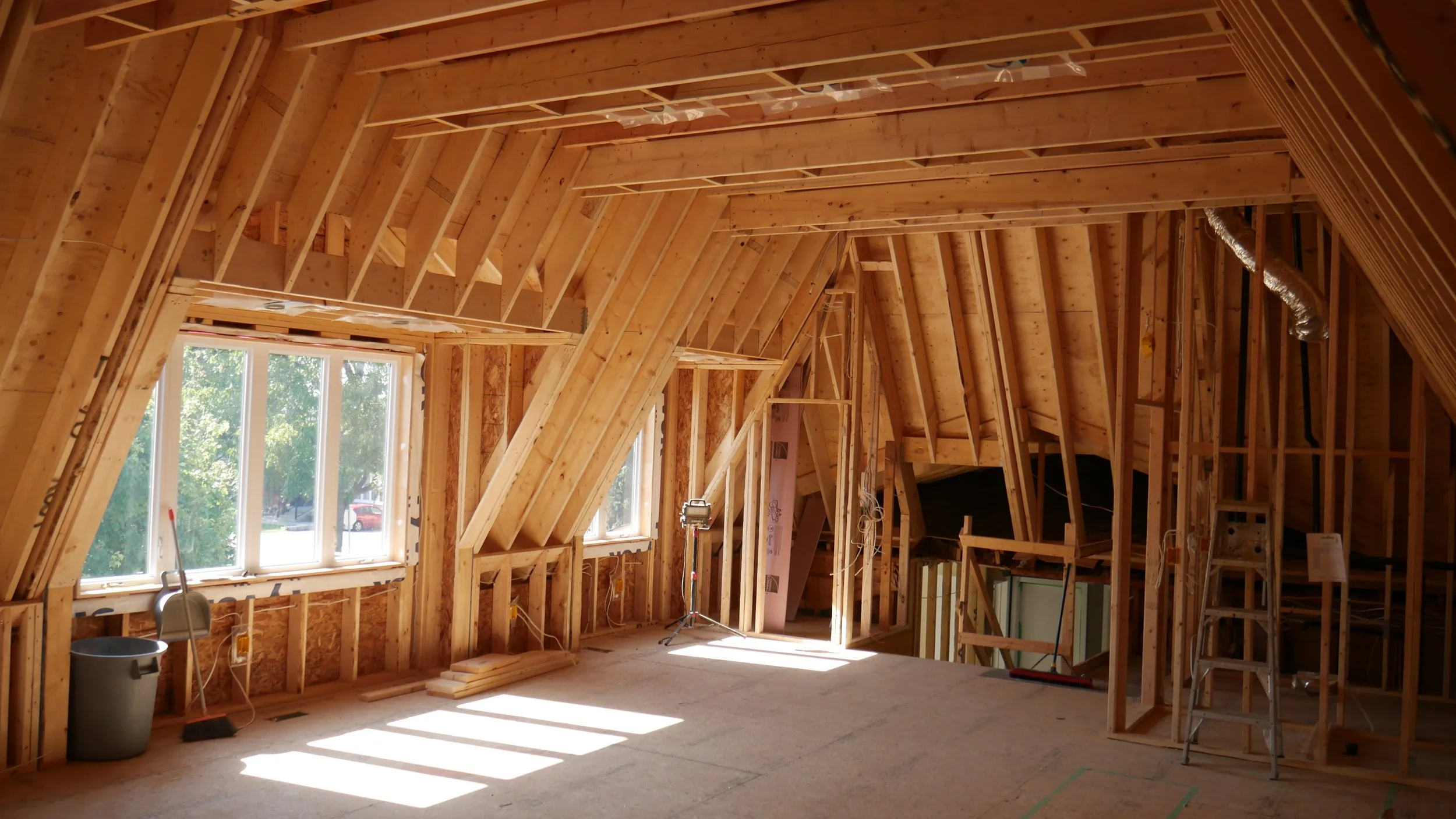
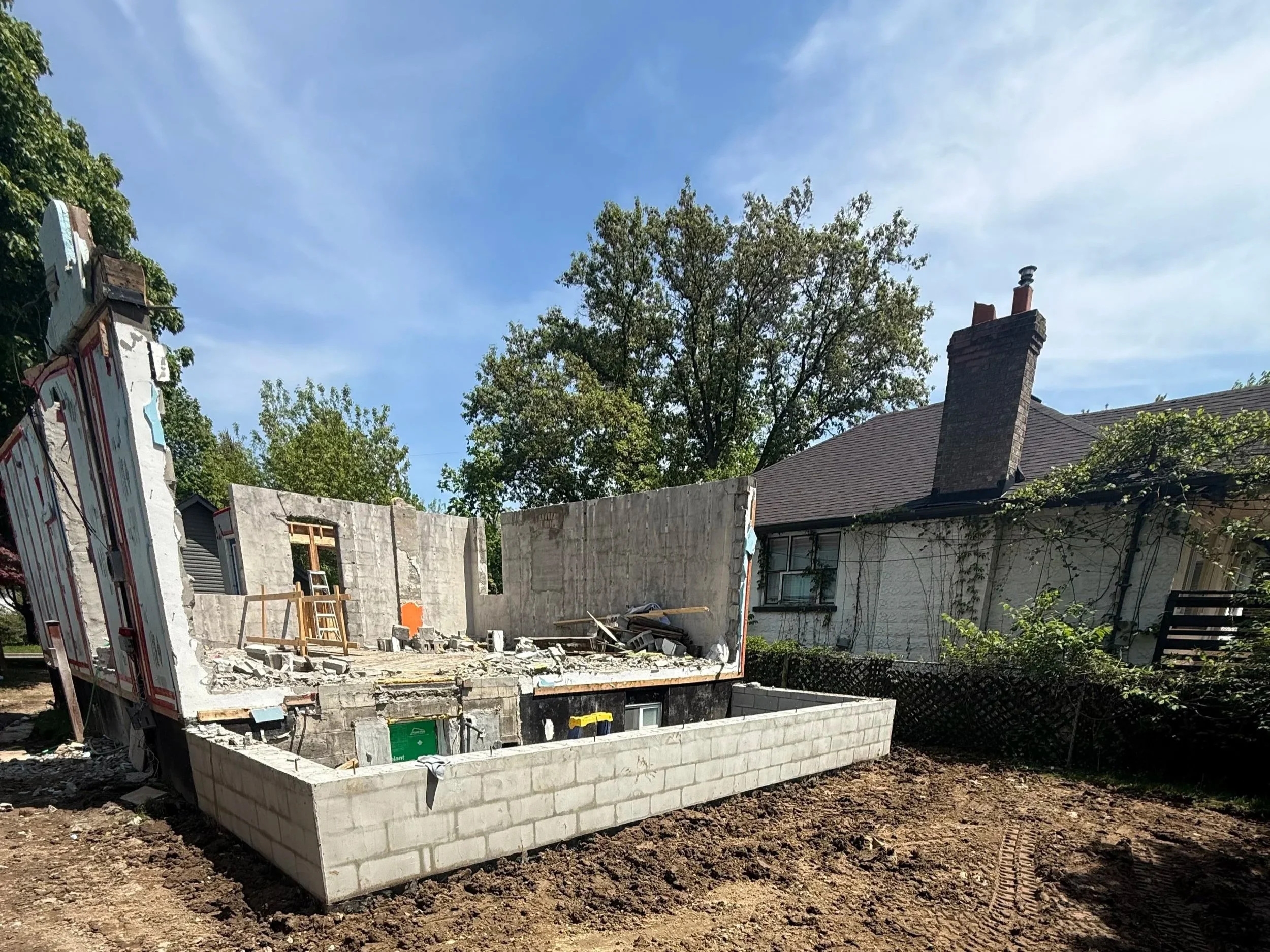
Before and After
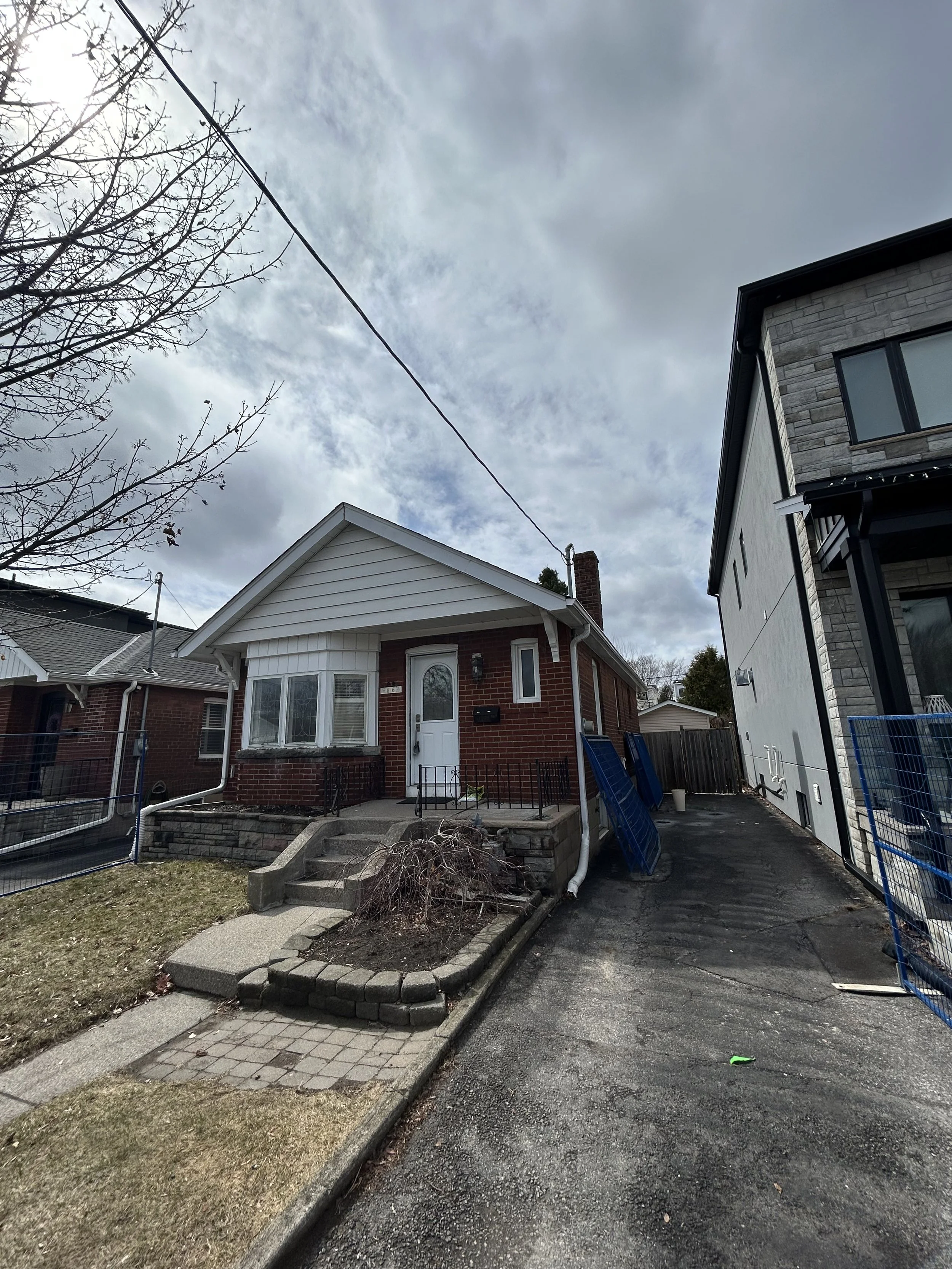
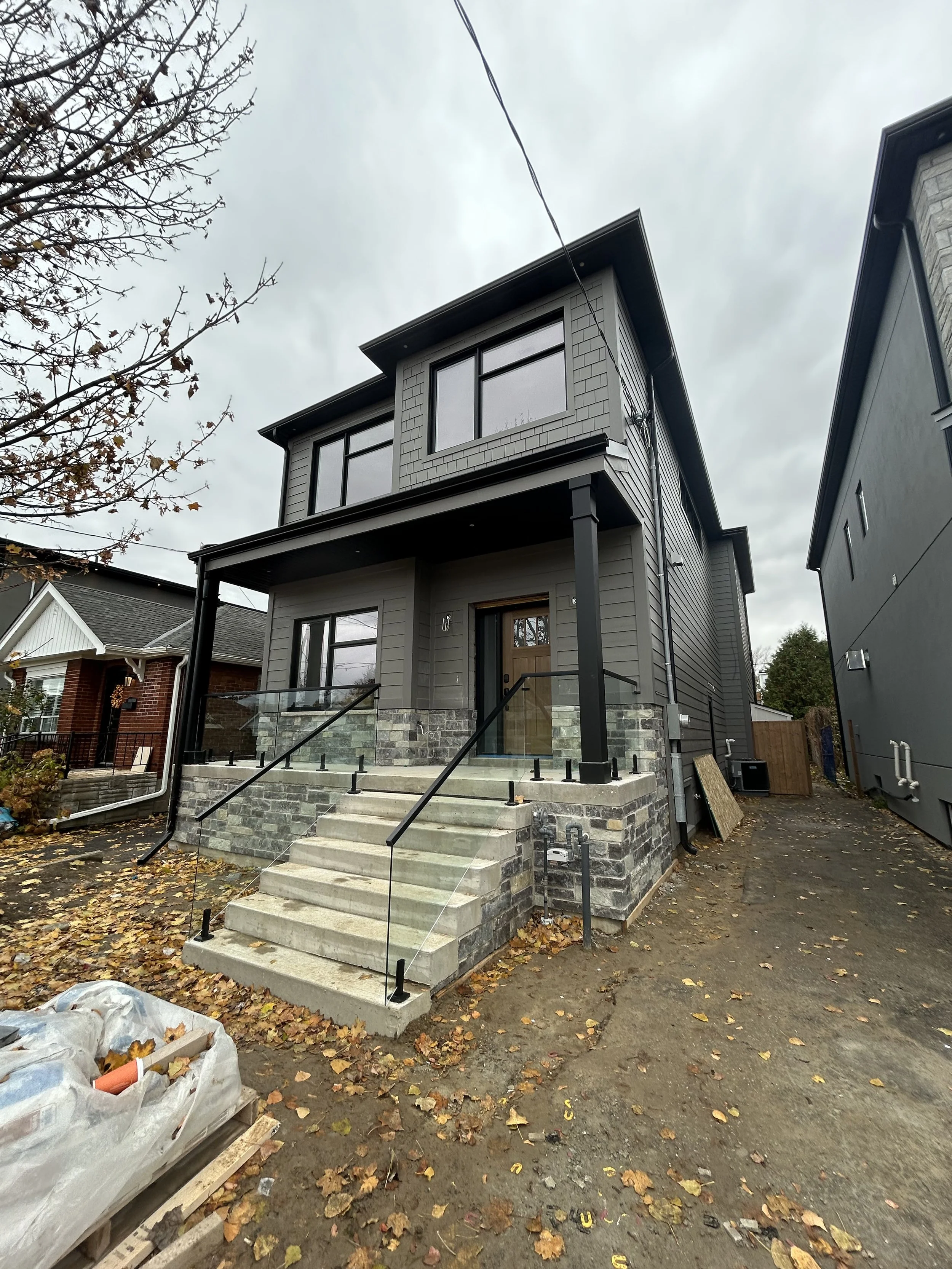
The Project That Almost Wasn't
When we first met our clients at Inwood Avenue in East York, they wanted to extend their bungalow and add a second story. Standard project for us.
What made it different was timing.
Between 2022 and 2024, Toronto benchmark home prices fell 16% in five months. The Bank of Canada raised rates to 2.5% in July 2022—the highest rate hike in 24 years. Our clients, both self-employed with COVID-affected businesses, watched their borrowing capacity shrink every quarter through this time.
Most home builders would have walked away. We stayed with it for over two years to make this one come together!
Why We Didn't Give Up
We had a pre-construction agreement in place. We also really liked our clients and wanted to try our best to get their dream home set-up for their family. They love the area and all of their kids go to school in the area. It wasn’t a question of if, it was a question of when.
The clients paid us a fixed fee to guide them through the planning phase, even though they had no obligation to build with us. That payment created something most construction relationships lack: mutual commitment.
They committed to working with us during pre-construction. We committed to finding a way to make their project work within their shrinking budget.
Over those 2+ years of working together, we had only 4-5 months of minimal communication (when we decided to see if the rates were going to reverse course). The rest of the time, we were in weekly contact—answering questions, adjusting scope, running numbers.
The Underpinning Pivot
The original plan included underpinning the basement to get the proper ceiling height. The clients were hyper-focused on cost drivers from day one, asking detailed questions about every aspect of the project. This included the underpinning scope.
We brought in our underpinning team to price it out. The numbers were substantial.
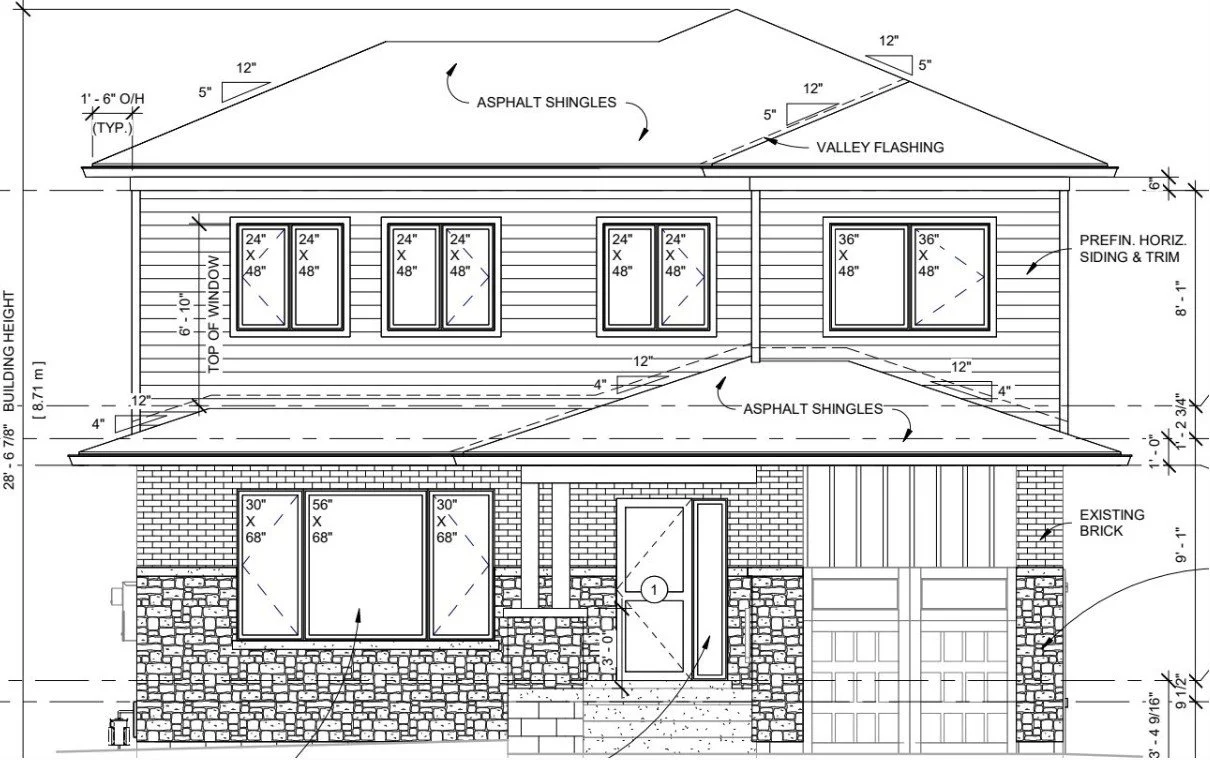
That's when we proposed an alternative: remove the existing main floor system and raise the main floor height from grade. This would give them the basement ceiling height they needed without underpinning.
The savings? Tens of thousands of dollars.
The tradeoff? We had to lower the foyer level below the maximum allowable height above grade, creating a step down from the new main floor. We also had to verify that less than 50% of the basement would be above grade—if more than half sits above grade, it counts toward the floor space index calculations, which could trigger variances (and lead to Committee of Adjustment).
We cleared that hurdle. The clients were sold immediately once they understood the cost delta and knew there were no zoning or building code issues.

Section view of floor height increase and lowered foyer area to reduce the height from grade (for building code approval)
The Architectural partner Problem
The clients chose their own architectural partner instead of using one of our trusted teams, which is fine most times (although we do prefer working with the teams we know, trust, and have a good rapport with). In hindsight, the client admitted this was a mistake.
Here's what went wrong:
The architectural firm sold their business halfway through the design process. Personnel changed multiple times. Communication became difficult. Neither firm was familiar with Toronto zoning bylaws and missed several requirements that would have sent the project to the Committee of Adjustment (which would have added a few thousand dollars in costs plus representation fees).
We caught those zoning issues. That's the value of having a team like BVM Contracting as your pre-construction partner—we know Toronto's complicated design and permitting landscape and can quarterback the design and permitting process to minimize risk.
Key takeaway: Working with architectural partners your builder trusts creates better communication and allows you to push the envelope on design. When you're working with a team for the first (and potentially only) time, that collaboration can potentially suffer.
Four Budget Deep Dives
We conducted four major budget reassessments over the two years of preconstruction. Each time interest rates climbed, we had to find ways to reduce scope while maintaining the project's core value.
This level of iteration only works when you have full budget transparency. A lot of people think revealing their budget puts them at a disadvantage. The opposite is true with good builders.
When you share your budget, we can extract maximum value from every dollar. We can identify where to spend and where to save. We can propose alternatives like the floor replacement strategy that you wouldn't discover through a standard bidding process.
Without transparency, we're guessing. With it, we're problem-solving.
What Kept This Project Alive
Three things prevented this project from dying during the height of high interest rates:
The pre-construction agreement
It formalized our relationship and created accountability on both sides. The clients weren't just getting another free estimate. We weren't just another contractor they were shopping. It was a trust-building exercise and a chance for both parties to realize there was the right fit.
Regular and consistent communication
Even during slow periods, we stayed in touch. We answered questions. We ran scenarios. We kept the project moving forward mentally, even when it couldn't move forward financially.
Flexibility on scope
We reassessed the project four times. Each reassessment found new ways to deliver value within tighter constraints. The underpinning pivot alone saved enough money to keep the project viable. Then we created a scenario where we would do a second phase for just the basement finishing scope that saved them even more money.
The Lesson for Homeowners
If you're planning a substantial renovation or home building project in Toronto, economic conditions can potentially change during your planning phase. Interest rates will move. Material costs will shift. Your financial situation will evolve.
“Free estimates” don't survive that volatility and sure as hell don’t give any builder offering them any accountability. Contractors offering free services have no incentive to stick with you through multiple reassessments. They're looking for projects that close quickly.
Paid pre-construction services create a different dynamic. You're paying for expertise, time, and commitment. The builder is invested in finding solutions, not just providing a number.
For the Inwood Avenue project, that investment saved the clients multiples of what they paid in pre-construction fees. The floor elevation strategy alone justified the entire pre-construction cost.
Why This Matters Now
Between 2022 and 2023, renovation costs in Ontario rose 91.8%—the largest increase in Canada. Self-employed borrowers faced stricter income verification as lenders scrutinized variable income and tax deductions.
These conditions aren't going away. Toronto's residential construction market remains complex, expensive, and sometimes unpredictable to the untrained eye.
The projects that succeed are the ones with proper pre-construction planning, transparent budgets, and builders who treat pre-construction as a separate, valuable service.
The Inwood Avenue project took two years to plan. It survived an economic crisis, architectural partner changes, and four major budget reassessments.
It survived because we had the right structure in place from the beginning.
Ready to Plan Your Project the Right Way?
We offer the most comprehensive pre-construction services in Toronto. Our paid pre-construction agreements give you access to our costing database, our network of trusted partners, and our expertise in navigating Toronto's zoning and permitting requirements.
Book your free 20-minute project consultation to learn how our pre-construction process can save you tens (or even hundreds) of thousands of dollars and prevent costly mistakes before they happen.
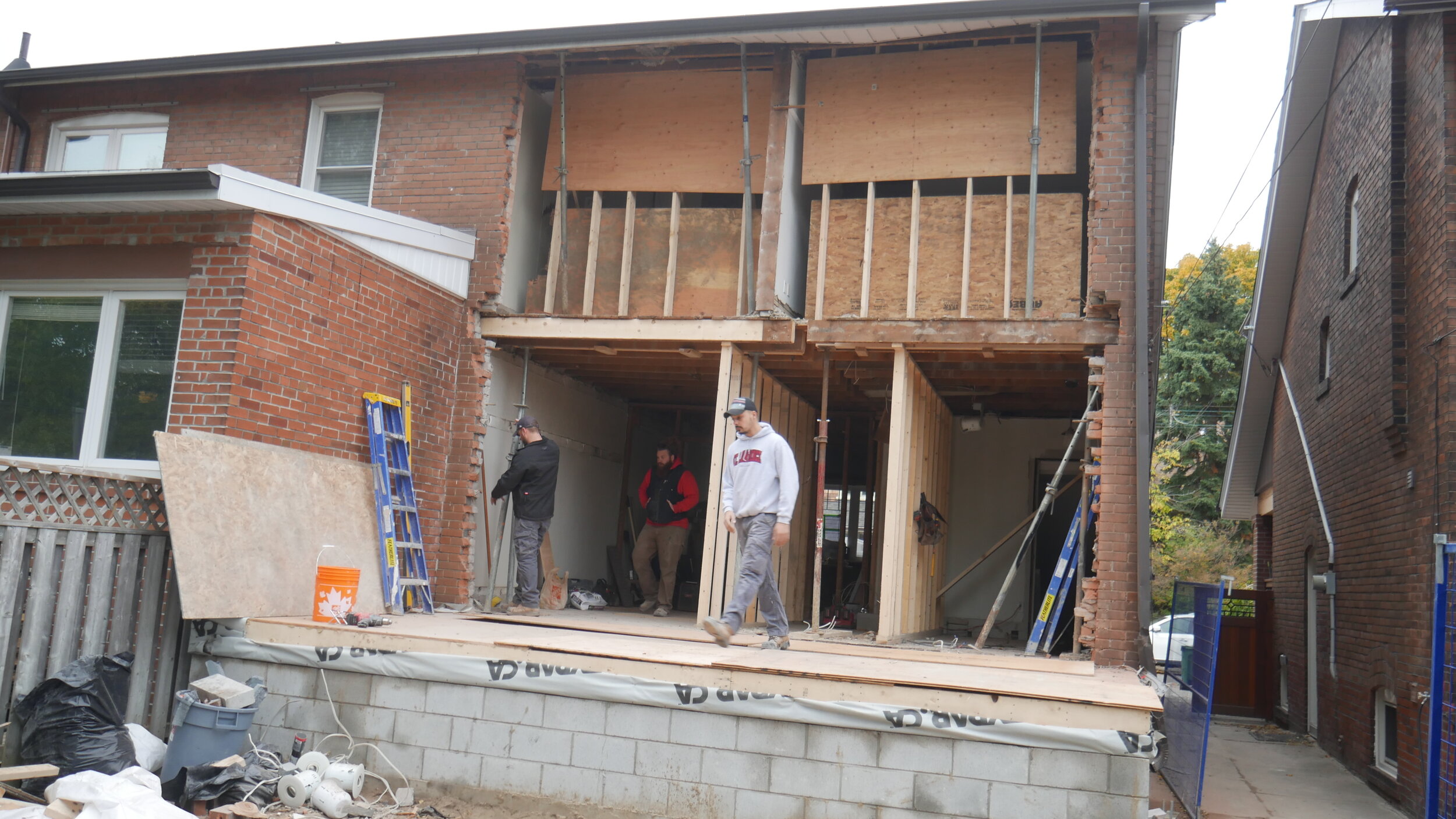

BVM Contracting is a full-service General Contractor or Home Builder located in Toronto. We provide home renovation and building services for major home renovations and custom home builds (full interior renovations, home additions, lot severances, new home construction, garden suites, and laneway suites). Our goal is to help guide our clients through the process of building their home, from concept to completion.
Further than providing General Contracting and Project Management for major home renovations, we also offer value-added services such as renovation financing, renovation rebate consultations and services, building permit and design services, smart home installation services, and real estate investor services.
To learn more about our offering by visiting our services page. Learn more about our vision, mission, and values here.