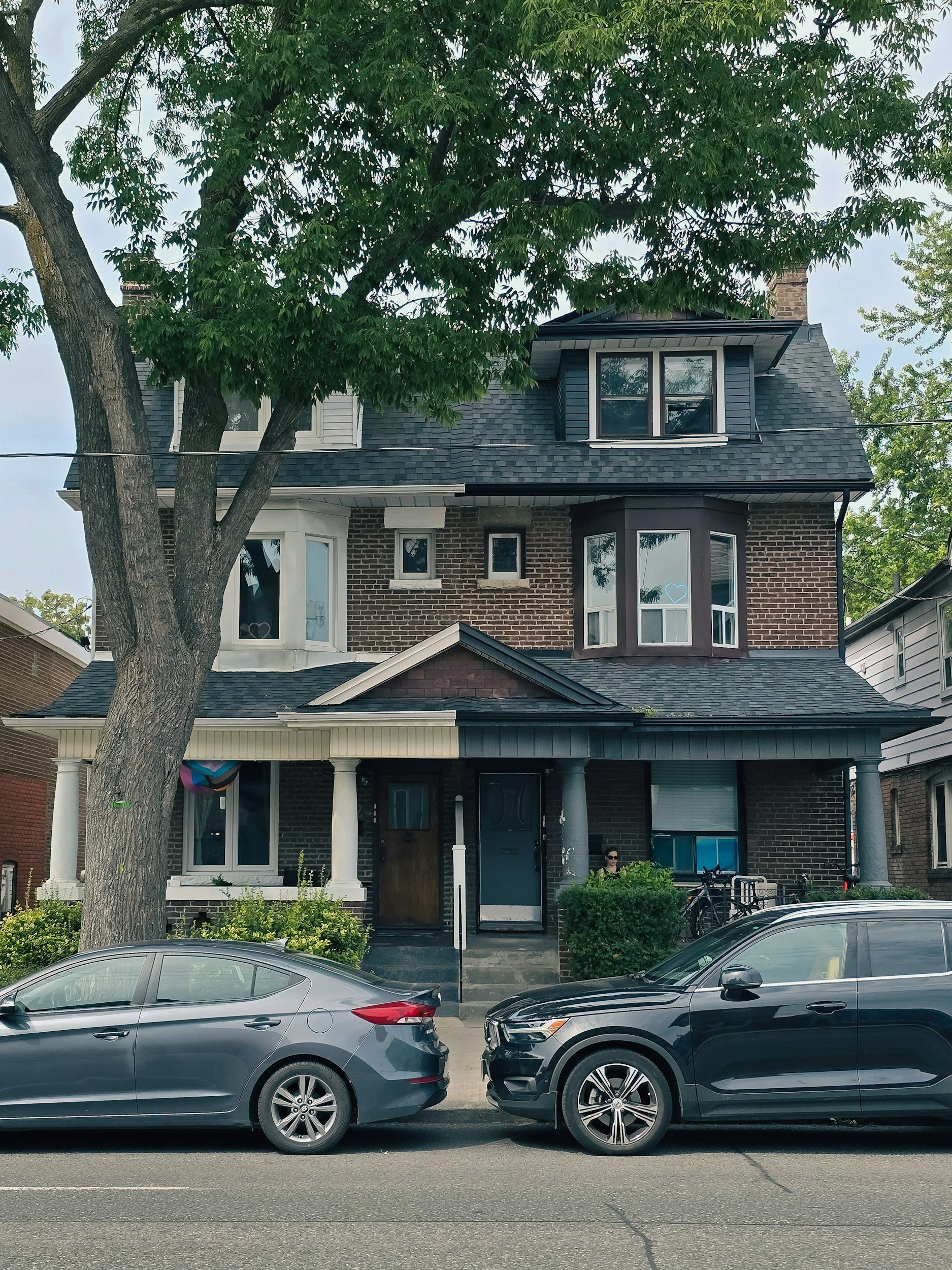
TLDR: A second child doesn't have to mean a new address. Toronto families have more options than they think — from interior reconfigurations to rear additions and full second-storey builds. But Toronto permits take 9+ months, which means the time to start planning is before the nursery panic sets in, not after.
The Call We Get Every Week
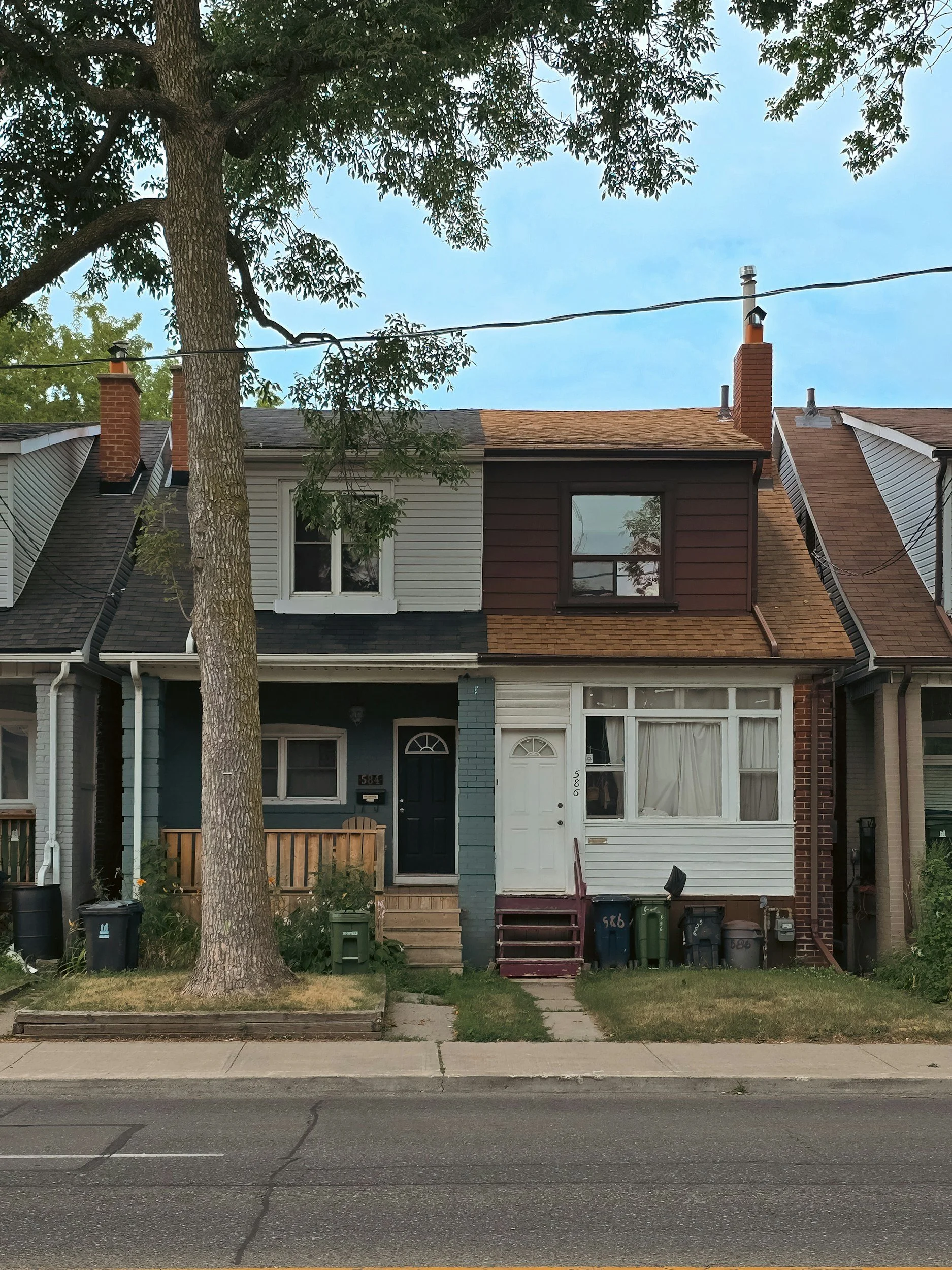
Month four or five of a pregnancy. A couple in the Upper Beaches, or Leslieville, or somewhere in the west end with a street they love and neighbours they know. Two bedrooms, one bath, a dog, and a due date circled on the calendar.
Moving feels like losing something. But something has to change.
Toronto's older housing stock is full of inefficiencies — awkward layouts, wasted dining rooms, unfinished basements, roof lines with untapped headroom. More often than families expect, the space they need is already there. It just hasn't been unlocked.
The harder truth: the City of Toronto's permit process runs on its own schedule. Right now, that schedule takes over nine months. Your due date is not a factor in that calculation.
First, Look Within the Existing Home
Before we talk about what to build, we walk the house.
We recently worked with a family in the Upper Beaches who came to us right after finding out they were expecting their second child. Two-bedroom semi, solid bones, no obvious third bedroom. The original conversation was about a home addition. But when we walked the house, we found something: a rarely-used dining room and a landing with more breathing room than anyone had noticed. We reconfigured the layout without adding a single square foot. Third bedroom sorted.
Not every home has that hidden square footage — only a finite number will. But it underscores the process. We always try to look within the existing home to create more efficient space, and only add more space when the needs genuinely exceed what's already there. We documented that Upper Beaches project in full as a case study.
When the interior doesn't have the answer, we look at:
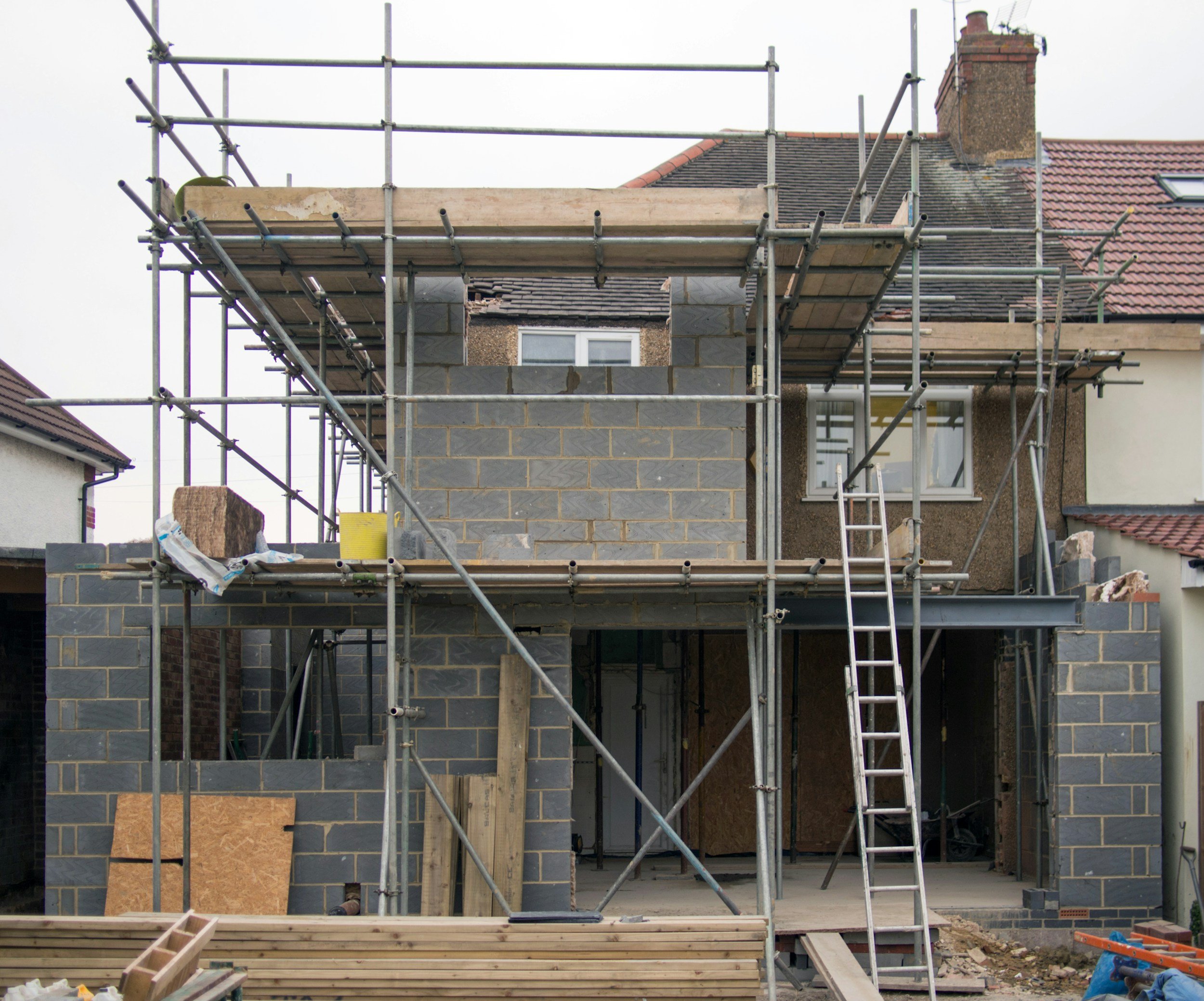
Rear extensions — extends usable main-floor square footage; often opens up the kitchen and living space, freeing bedrooms elsewhere
Second-storey additions — adds full bedrooms above an existing single-storey footprint; works particularly well on bungalows and some semi-detacheds
Basement conversions — transforms an unfinished or storage-only basement into proper livable space: bedrooms, a family room, or both
Dormer additions — unlocks attic space that already has headroom but no usable volume
Which option fits depends on your lot, your zoning, your budget, and your timeline. That's exactly the work pre-construction is designed to do.
The Scope Creep Conversation Nobody Has Early Enough
Adding a bedroom is rarely just adding a bedroom.
There is always scope creep that happens when you're expanding a Toronto home — and it needs to be accounted for before you're too far down the design and planning process. When you extend the back of your house, you're touching the kitchen. Add a second storey and you're affecting the staircase, the insulation, the HVAC. Finish the basement and you're dealing with waterproofing, egress windows, electrical panels.
We spend significant time in pre-construction walking clients through exactly what their project will affect beyond the stated scope. Not to scare them — to make sure they're budgeting for the real number, not the number they hoped to hear.
The families who come to us carrying the most stress? They almost always started with the lowest quote from someone who never had this conversation.
Nine Months. That's the Permit.
Let's be direct about this, because it costs families badly when they don't hear it clearly enough:
Toronto's permit timeline is not predictable. Nine months is common. It can be longer. A family who finds out they're expecting in October and starts planning a home addition in November is already looking at a move-back-in that happens well after the baby arrives — if everything goes perfectly.
The best outcomes we've seen are when families are planning ahead of when they're having more children. More difficult? Yes. But the more time you can give us in pre-construction, the better the building outcomes — on budget, on timeline, on stress.
Experienced builders can completely fix your budget when you give them enough runway in pre-construction. That means no financial surprises mid-build. That means a move-back-in date you can actually plan around.
If there's any chance your family grows in the next two or three years: make the call now.
Zoning, Lot Lines, and the As-of-Right Path
"Can we build a rear addition?" gets a different answer in Swansea than in Leaside. A different answer in North York than in the Junction Triangle.
Every property in Toronto operates under specific zoning rules — how far you can build from the lot line, how high, how much of the lot can be covered. Some neighbourhoods carry heritage protections. Some lots have physical constraints that complicate additions regardless of what the zoning sheet says.
BVM helps homeowners navigate Toronto's zoning bylaws every single week. And the pattern we keep seeing: the cleanest, fastest projects are the ones built as of right — without triggering a Committee of Adjustment variance. Variances add four to six months to your timeline and introduce real approval risk.
When time matters, we look first for the design that gets built without going to Committee. Sometimes that means a smaller footprint than a family originally imagined. Sometimes it means a completely different approach. But it keeps the project moving — which matters enormously when a due date is involved.
What Most Families Get Wrong
Panic is understandable. Construction timelines are not sympathetic to it.
The families who end up with the most regrets are the ones who rushed the planning phase trying to save time — and lost that time anyway through permit complications, change orders, or a design that didn't quite land. Rushing into decisions when a baby is on the way doesn't speed up the build. It speeds up the mistakes.
Second mistake: assuming more space automatically means more square footage. We've found extra bedrooms in Annex Victorians, Roncesvalles semis, and Danforth bungalows without touching an exterior wall. Always look within first.
Third — and this is where a lot of families get caught — is not understanding what their project costs in full. Not the addition cost. The total project cost. The scope creep radius includes the kitchen that gets updated when you extend into it, the hallway that gets reconfigured, the bathroom that's now in the wrong place. Get the full picture before you commit to anything.
The BVM Approach to Growing Family Projects
We don't come in with a product to sell. We come in with questions.
Before we recommend anything, we walk the house, pull the zoning, and build an honest picture of what's possible on the property. Then we work through every option — interior reconfiguration, rear extension, second storey, basement — along with what each one will realistically cost and what each one will touch beyond its obvious scope.
The reason clients choose us is that we stick to our build timelines and get costs fixed before construction starts. We can be the conduit of truth on your renovation decision. You tell us your situation; we tell you what's actually possible and what it will actually cost. No surprises mid-build.
That's the conversation worth having before you start drawing plans.
Key Takeaways
Look inside before you build out — a layout reconfiguration often creates the bedroom you need without any addition
Toronto permits take 9+ months; start planning before the nursery pressure arrives, not after
Every home addition in Toronto has a scope creep radius — budget for it before you start, not when demo reveals it
Building as-of-right (no variance) keeps your project timeline predictable; find that path first
Fixed-price pre-construction means no financial surprises during the build — this is what protects you
If you need space in under nine months, moving might genuinely be the right call; if you have more time and love your location, build
Frequently Asked Questions
Q: How long does a home addition in Toronto take from first conversation to move-in?
A: Budget 18 to 24 months for a meaningful addition from first call to move-back-in. The permit alone takes 9+ months right now. Interior renovations that don't require permits can move much faster — sometimes 3 to 4 months. The timeline depends heavily on scope and how much pre-construction runway you give your builder.
Q: Should a growing Toronto family move or renovate?
A: Always evaluate both. If you genuinely like your property, your neighbours, and your neighbourhood — and you have the time — renovating almost always makes financial and lifestyle sense. If you need space in under nine months, moving may be the more realistic path. We help families answer this honestly every week.
Q: What type of project most commonly creates a new bedroom for growing Toronto families?
A: It depends entirely on the home. Rear extensions work well for main-floor expansion. Second-storey additions are strong on bungalows. Basement conversions are often the fastest path to proper bedroom space. And interior reconfigurations — no addition at all — have solved this problem for more Toronto families than most would expect.
Ready to Talk About Your Project?
If your family is growing and your home is starting to feel it, the best thing you can do is get a real answer — not a ballpark from a forum, but an honest assessment from people who do this every week in Toronto.
Book a call with our team at bvmcontracting.com — we'll walk through what's actually possible on your property, what it will cost, and how long it will realistically take.
Related Reading: