TLDR: If your property is near a Toronto ravine, creek, or any regulated natural feature, the Toronto and Region Conservation Authority (TRCA) has authority over what you can build — and most homeowners have no idea until they're already planning. The permitting process is slow, layered, and costly if you're not prepared. Here's what we've learned from taking projects through the full process — pre-consultation, application, and approval — across Toronto's ravine corridors and regulated GTA properties.
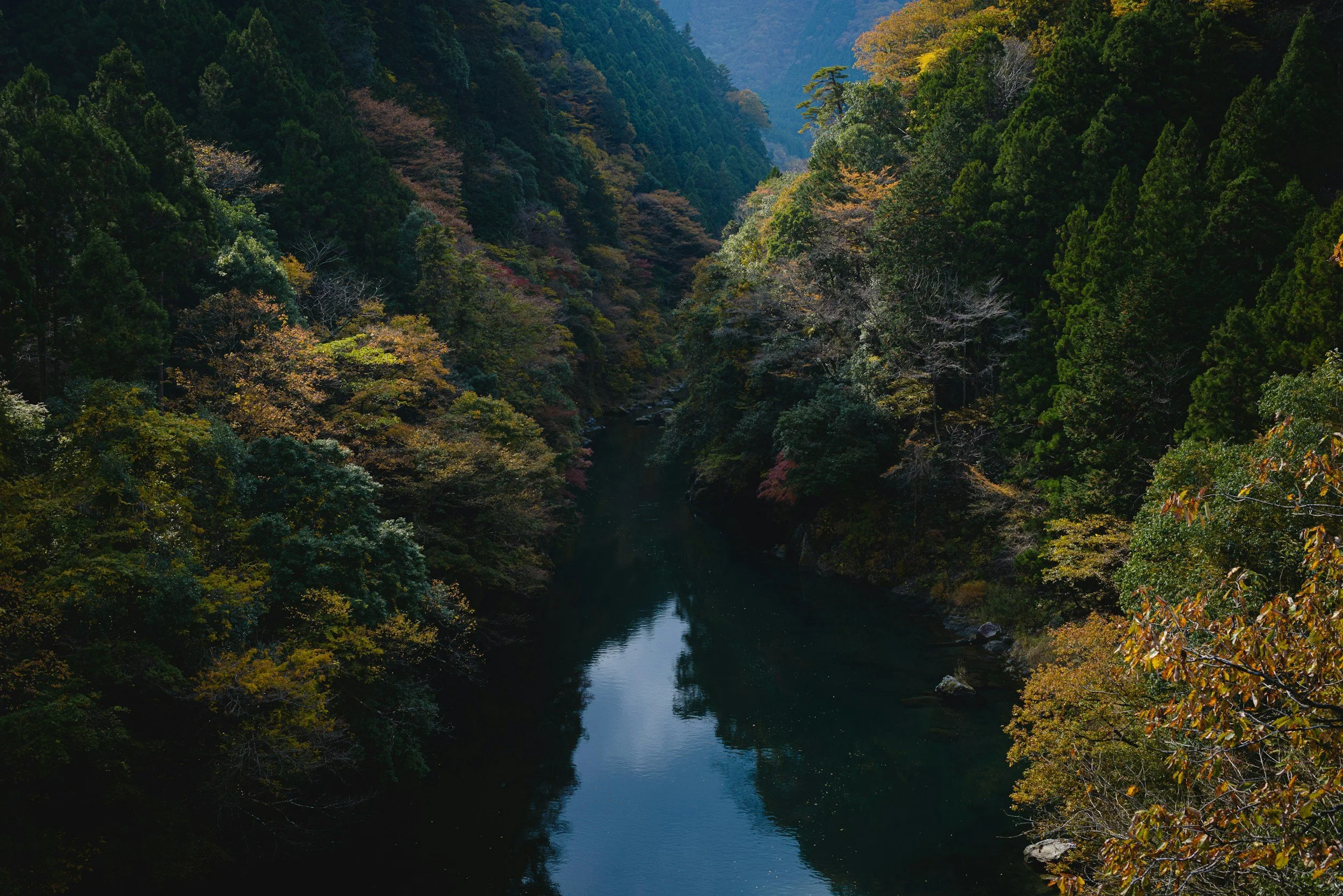
Your Property Backs Onto a Ravine. Now What?
Every week, we get calls from homeowners with big plans — a new addition, a custom home, a backyard ADU — only to find out that TRCA regulations mean their timeline just got a lot longer and their project a lot more complicated.
The Toronto and Region Conservation Authority regulates land near rivers, ravines, creeks, wetlands, and flood plains across the Greater Toronto Area. If your property falls within one of these regulated areas, you need TRCA approval before you can build — on top of a building permit, Committee of Adjustment approval if needed, and everything else Toronto's building department requires.
Here's the part that catches most homeowners off guard: the regulated area isn't always obvious. We've seen properties with a subtle dip in the backyard that turned out to be the start of a water collection point feeding a nearby creek. That dip put the entire property within TRCA jurisdiction. The homeowners had no idea. We now check the TRCA mapping tool as a standard part of our intake process for every home addition, ADU, and custom build — because assuming you're clear is a mistake we've seen cause real damage to timelines and budgets.
What TRCA Actually Regulates (And Why It's More Than Just "Near the Ravine Edge")
One of the most common misconceptions we hear: "We're not right at the ravine edge, so TRCA won't apply to us." This is wrong — and it's a costly assumption.
Even if you're set back from the stable top of bank (the point where your property begins to slope steeply), you can still be within a TRCA-regulated area. Yes, being further from the stable top of bank helps your application — a structure that isn't encroaching over unstable slope is easier to approve. But being far from the edge doesn't exempt you from the process. You still need to submit, still need to wait, and still might be required to commission geotechnical reviews or hydrological studies depending on what you're building.
TRCA is protecting watershed health, flood plains, and slope stability — and they're thorough about it. Proximity to the ravine edge matters, but proximity to any regulated natural feature matters too. The process respects no assumptions.
The Real Cost and Timeline of TRCA Permitting
Let's talk numbers. The TRCA application fees for private residential properties run across four tiers:
Minor: $560
Standard: Approximately $1,000–$1,500
Major: Approximately $2,000+
Complex: Up to $2,840
But the fee itself isn't where the cost lives. The real cost is in the additional studies. The more complex your project, the higher the likelihood you'll need a geotechnical review (assessing slope stability), a hydrological study (assessing water flow impact), or both. These studies run thousands of dollars — on top of the application fee — and add significant time to the process.
And then there's the timeline. Depending on the complexity of the project and how much it encroaches into regulated land, you could be waiting months before you get a decision. In some cases, clients came to us with a project idea, started the TRCA process, and had to completely pivot — not because their project was unreasonable, but because the regulated area constraints made it unworkable. We've been through every version of this scenario. We do not underestimate the time TRCA requires.
The Compounding Problem: When Slow Processes Stack
Here's where it gets punishing for homeowners who haven't planned ahead. TRCA moves slowly. The Toronto Building Department moves slowly. The Committee of Adjustment moves slowly. Stack all three on top of each other, and you can easily be looking at a year or more before you have everything you need to break ground. And some Toronto properties even have Urban Forestry or Toronto Heritage on top of that.
These processes don't run in parallel — they compound. Miss a submission deadline at the Committee of Adjustment, and you're waiting another cycle. Start TRCA late, and every downstream approval waits too. We've seen clients come to us with grand plans only to find out they won't have a permit for at least a year — and that's what building near a ravine in Rosedale, Forest Hill, the Beaches, or anywhere in Toronto's regulated corridors actually costs you in time.
What Most Homeowners Get Wrong About TRCA
The biggest mistake isn't misunderstanding TRCA's rules. It's not taking the process seriously early enough.
We've seen contractors — experienced ones — start planning a project without addressing TRCA until halfway through design. By then, the homeowner is attached to the design, the budget is set, and the TRCA process is about to blow both up. The professional approach is to navigate TRCA approval first, not last.
A less experienced contractor will say, "We'll figure out TRCA when we get there." We've seen exactly what follows: money spent on drawings that can't be built, a design the client is attached to that has to be scrapped, and a project that loses months before it's even started. Start TRCA late and everything downstream pays for it.
The second mistake: assuming that because your property is technically within TRCA's boundaries, you can't build anything meaningful. That's also wrong. Most projects near ravines can be built — they just need the right approach, the right sequencing, and a team that understands what TRCA is actually looking for in an application.
Here's the honest answer most homeowners don't want to hear: most people have never heard of TRCA at all until we bring it up. It's not a household name. It's not something you stumble across when you're browsing renovation inspiration. But if your property is in a regulated area and you bought without knowing, you're now navigating a regulatory layer that the city hasn't made easy to find — and that your real estate agent almost certainly didn't flag.
The BVM Approach to TRCA Regulated Properties
When a property is within TRCA's regulated area, that's the first thing we address — not the last.
Before we design anything, before we price anything, before a client gets attached to a vision, we get clarity on what TRCA will and won't permit on that property. We'd rather know early on what's possible and get that feedback than plan a project that can't be built. We've seen what happens when that step gets skipped. We won't let it happen to our clients.
Our process when TRCA is involved:
Check the TRCA mapping tool at intake — for every addition, ADU, and custom build
Flag TRCA-regulated properties immediately in our pre-construction phase
Initiate the TRCA application as early as possible in the design process — not after design is complete
Commission geotechnical or hydrological studies upfront where they're likely required
Set accurate timeline expectations that treat TRCA, building permits, and Committee of Adjustment as a combined reality — not separate, sequential surprises
The difference between starting this process on day one versus month four of a project is often four to six months of calendar time. That's the difference between a client who's frustrated and one who's informed and on-schedule.
Key Takeaways
TRCA regulations apply to many Toronto properties that don't obviously border a ravine — check the map before you plan anything
Being far from the ravine edge doesn't exempt you from the TRCA approval process — it just improves your application's odds
Application fees run $560–$2,840, but geotechnical and hydrological studies can add thousands more to your total cost
Timeline delays are the biggest real-world impact — stack TRCA on top of building permits and the Committee of Adjustment, and you're looking at potentially over a year before groundbreaking
The biggest mistake is starting the TRCA process too late — address it first, not as an afterthought
Most homeowners have never heard of TRCA until it becomes their problem — if you're buying near a ravine, ask about it before you close
Frequently Asked Questions
Q: How do I know if my Toronto property is in a TRCA-regulated area?
A: TRCA has an online mapping tool you can use to check your property address. It will show you whether your land falls within any regulated area — watershed, flood plain, valley land, or wetland. We check this as a standard step before any project planning begins.
Q: How long does TRCA approval take in Toronto?
A: It depends on the complexity and scope of the project. Minor applications can move relatively quickly, but anything requiring additional studies — geotechnical reviews, hydrological assessments — adds significant time. Budget several months at minimum, and understand that this runs in sequence with your building permit application, not parallel to it.
Q: Can TRCA reject my project entirely?
A: Yes. We've had clients who had to scrap a planned addition or ADU because the TRCA constraints made it unbuildable on their specific property. This is exactly why getting TRCA clarity before you design is so critical — redesigning after a rejection is expensive and demoralizing.
Q: Do I need TRCA approval for a smaller renovation or deck near a ravine?
A: It depends on where the work is happening on the property and how close to the regulated boundary. Even projects that seem minor can trigger TRCA review. The only safe answer is to check — don't assume you're exempt.
Ready to Talk About Your Project?
If your property backs onto a ravine, creek, or any kind of natural feature, get the TRCA question answered before you start planning. We've taken projects through TRCA pre-consultation, application, and approval — in the right sequence, with the right studies commissioned upfront, not scrambled together after the first rejection. If TRCA is in your picture, the earlier you talk to us, the better off your timeline will be. Book a call with our team directly at bvmcontracting.com.
Related Reading:





Learn about the step-by-step guide to properly renovating your home.