TLDR: A low contractor estimate in Toronto rarely stays low. Before you sign anything with a builder, here's what you should actually be evaluating — and why the pre-construction process is the step most homeowners skip to their own detriment.
The Estimate Is Not the Price
Every year, we have a version of the same conversation. A homeowner comes to us, we give them an honest, detailed estimate — one that accounts for the real scope of work, current subcontractor pricing, and enough margin to run our business properly. They thank us, go quiet for a week, then come back to say they went with someone else.
The other estimate was dramatically lower.
Six months later, they call again. The project is done — but not the way they hoped. The final invoice landed remarkably close to, or higher than, what we originally quoted. Change orders stacked up. The timeline blew out. The relationship with the builder deteriorated before the work was even finished.
This isn't rare. It's the most common story in residential construction.
Here's the hard truth about contractor estimates in Toronto: if two builders are estimating the same project and one is dramatically lower than the other, someone's numbers don't add up. Either the cheap builder missed something, is planning to use inferior materials, or is building in their real margin through change orders once you're locked in. All three scenarios cost more — usually much more — than the higher quote would have.
Scope of Work vs. Estimate: Why the Gap Creates Problems
Most homeowners don't realize there's a meaningful difference between a construction estimate and a proper scope of work. And that gap is where most renovation nightmares live.
A typical estimate is a one-page document with a few line items and a total number. It looks official. It doesn't tell you what's actually included.
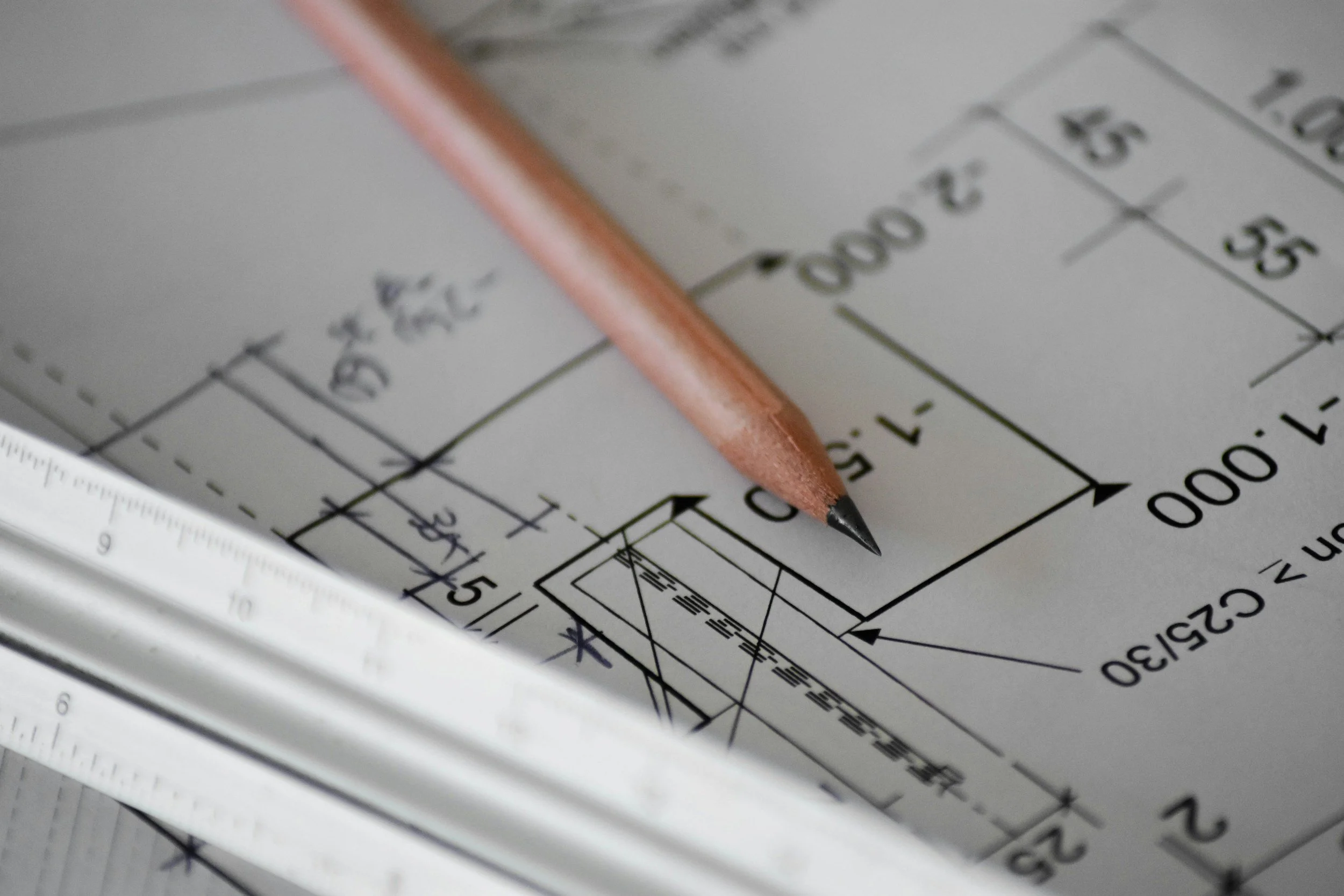
A proper scope of work is a different document entirely. It tells you exactly what you're getting — which materials, what finishes, what's excluded, what the contingencies are if something unexpected turns up once the walls open. It should be detailed enough that if a dispute arose mid-project, it could resolve it.
Most builders don't build a proper scope before the estimate stage. They make assumptions. Those assumptions become gaps. Those gaps become change orders. Those change orders become the real final bill.
If a builder quotes your renovation after a 20-minute walkthrough and zero follow-up questions, that estimate is built on guesswork. You'll be paying for that guesswork eventually.
What You Should Actually Evaluate When Comparing Builders
Stop looking at the dollar figure first. Here's what actually predicts a successful project:
What Questions Are They Asking?
Great builders are curious before they're confident. If someone quotes your project without exploring structural conditions, permit requirements, existing services, or your contingency tolerance — that's a red flag. A higher estimate from a builder who asks thorough questions usually means they caught something the other guys missed.
How Detailed Is Their Scope of Work?
Ask to see a sample scope from a previous project — redacted is fine. If it's a few bullet points and a number, be cautious. A proper scope reads almost like a contract, because it eventually becomes one. The level of detail tells you how a builder thinks, how they communicate, and how disputes will be handled if they come up.
How Transparent Are They About Their Process?
Do they walk you through how they procure subcontractors? Do they maintain consistent trade relationships that stabilize pricing, or do they re-bid every trade on every job? A stable subcontractor network is a huge cost management advantage you won't see on any estimate document.
What Does Their Contract Look Like?
Ask to see the contract before you sign anything. Is it balanced for both parties? Are the payment milestones clear and reasonable? How are change orders documented and approved? The quality of a contract reflects how a builder thinks about managing risk — yours and theirs.
What Most Toronto Homeowners Get Wrong About Estimates
The most expensive misconception in the industry: that a higher estimate means the builder is inflating their numbers to make more money.
We understand why people think this. Nobody wants to feel taken advantage of. But here's the reality — during the estimation stage, you're nowhere near an apples-to-apples comparison between builders. Every GC structures their scope differently. Comparing two estimates in a spreadsheet is often comparing two different projects.
The right way to think about the estimation stage: it's information gathering, not final decision-making. What you're trying to determine is which builder you trust enough to work through a pre-construction process with — because that's where the real numbers live.
Many reputable builders in Toronto — us included — only move forward on projects of significant scope through a pre-construction agreement. This is a paid engagement where we quarterback the project from concept to construction-ready: coordinating the design team, getting proper trade quotes, sorting through permit requirements with the City of Toronto Building Division, and building a budget you can actually trust before you sign a construction contract.
And the low estimates? Scrutinize them. Find out exactly why they're lower. There is almost always a reason — and nine times out of ten, it's one you don't want to discover after you've signed.
What Most Homeowners Get Wrong — And What It Costs Them
We've seen friendships and relationships destroyed by this. A homeowner commits to a low estimate, the project goes sideways, and the financial stress fractures everything around it — the partnership that agreed to the decision, the friendship that made the referral, the relationship with a contractor who's now stopped returning calls.
Committing to a construction contract based on an estimate alone is like asking a mechanic for a repair price before they've even put your car on the lift. The number is meaningless. It's a guess made without the information needed to back it up.
The BVM Approach: Why We Price the Way We Do
We don't compete on being the cheapest option in Toronto. Our estimates reflect reality: actual subcontractor costs, fair margins, proper contingencies, and a scope that holds up once work starts. When our numbers look higher than a competitor's, it almost always means we caught something they missed — or we're not planning to recover margin through change orders once you're locked in.
For most projects of meaningful scope, our process starts with a pre-construction agreement. This covers the discovery and planning work required to arrive at a construction-ready scope: coordinating with designers and engineers, getting proper trade pricing, identifying permit requirements, and building a project budget you can actually rely on.
By the time we move to a construction contract, the surprises are gone — because we already did the work to eliminate them.
Key Takeaways
A low estimate almost never stays low — it usually means the real cost hasn't been calculated yet.
The difference between a proper scope of work and a typical estimate is the difference between a real budget and a guess.
Evaluate builders on the depth of their questions, the detail of their scope, and the clarity of their contract — not the dollar figure on the first page.
Apples-to-apples comparison between builders at the estimate stage is nearly impossible — it's information gathering, not final decision-making.
The pre-construction process is where real project budgets are built and construction risk is reduced dramatically.
Scrutinize the low numbers until you understand exactly why they're low. The answer matters more than the number.
Frequently Asked Questions
Q: Is it normal for contractor estimates in Toronto to vary widely for the same project?
A: Some variation is expected — different builders have different trade relationships and overhead structures. But dramatic variation (30-40% or more) usually means one or more builders is estimating a different scope, making unsupported assumptions, or planning to recover the difference through change orders. Wide variation is a reason to ask more questions, not pick the low number.
Q: What is a pre-construction agreement and do I need one?
A: A pre-construction agreement is a paid planning engagement between a homeowner and a builder before any construction contract is signed. For any renovation or build of meaningful scope in Toronto, it's the most reliable way to arrive at numbers you can depend on — and most reputable builders require it.
Q: What are the most important questions to ask a builder before signing anything?
A: Ask to review the full contract. Ask about payment milestones. Ask how change orders are documented. Ask for references and actually call them. Most importantly, ask how their process reduces construction budget risk. The quality of their answers will tell you everything.
Ready to Talk About Your Project?
If you're comparing contractors and want to understand what an honestly scoped project actually costs, we're happy to walk through it with you. Book a call at bvmcontracting.com.
Related Reading:
The Expensive Truth About The Cheapest Quote — Why lowball quotes almost always cost more in the end
Value Versus Lowest Cost in Residential Construction — How to think about value when comparing builders
Our Preconstruction Process and Referral Program — What the pre-construction process actually looks like with BVM