TLDR: Most homeowners dramatically underestimate what a builder actually manages. It's not just "hiring trades" — it's procurement, coordination, quality control, risk mitigation, and daily project management running simultaneously across every phase of your build. Get the wrong builder, and you pay for it. Get the right one in early, and the whole project changes.
You're Not Hiring One Person. You're Hiring a System.
A lot of families walk into the custom home or addition process thinking they're hiring someone who shows up on site and tells the framer what to do.
That's not even close.
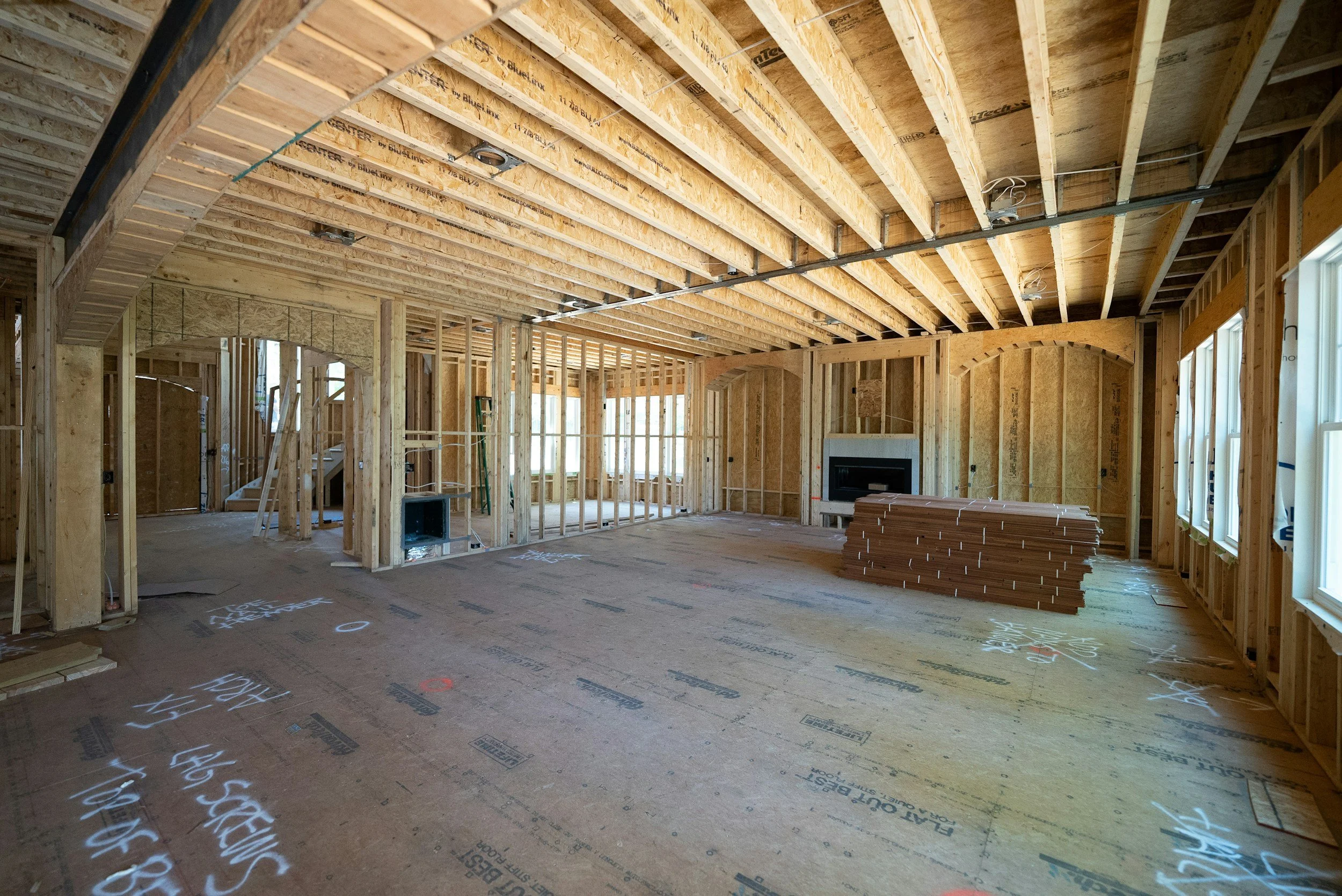
On any active project, our team is doing a dozen things most clients never see: confirming scope details with the mechanical contractor, re-reviewing structural drawings after a field condition changed, chasing down a lead time on windows that could push the drywaller by two weeks, reviewing a subcontractor invoice to make sure it reflects what was actually built.
That's a Tuesday.
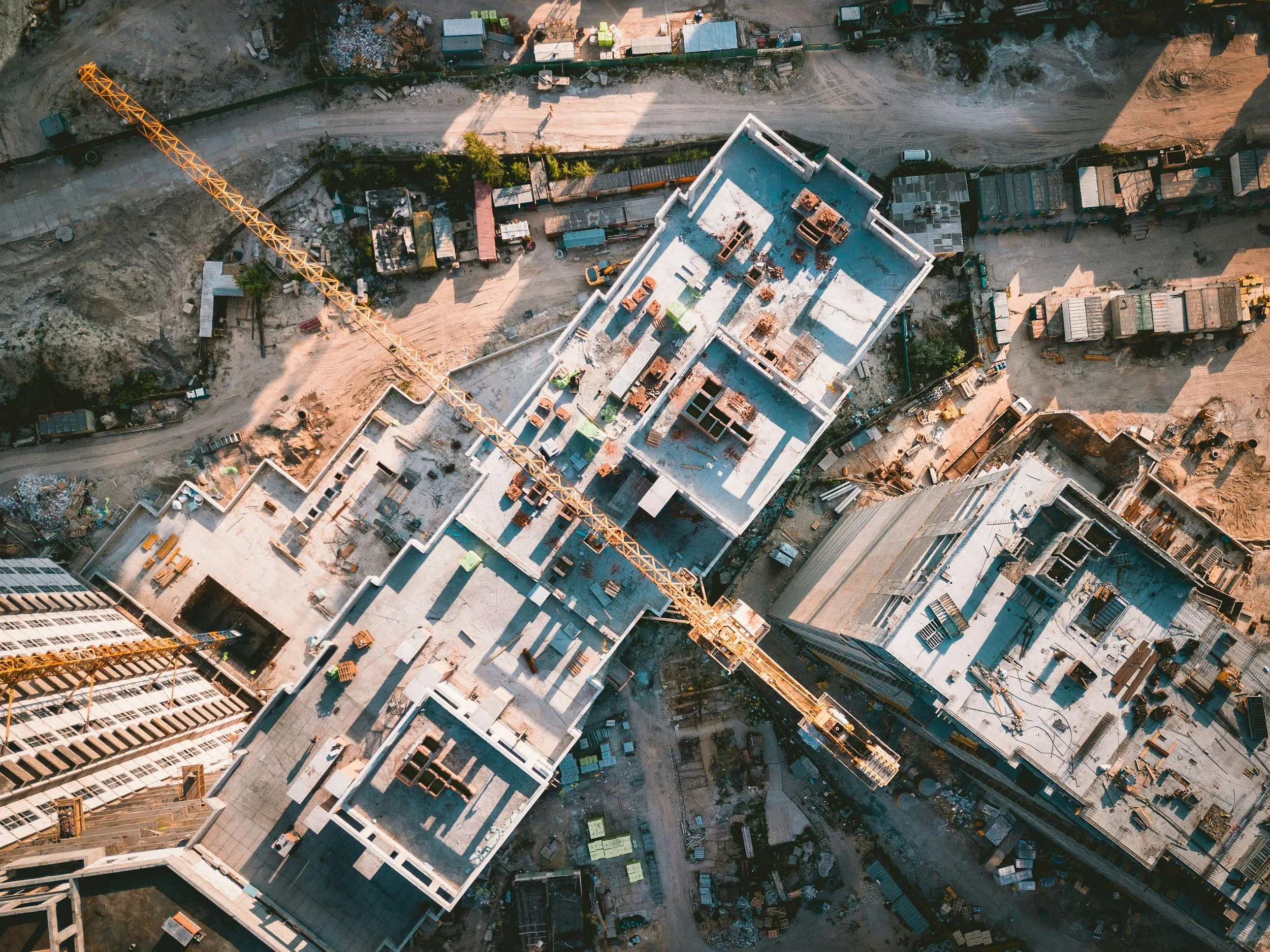
Day-to-day, a home builder is a team of people actively managing your project on site and behind the scenes to ensure it gets done on time and on budget — reducing risk wherever possible for your family. When a homeowner walks their finished house and it feels effortless, that's not luck. That's what a well-run build looks like from the inside.
What "Hiring Trades" Actually Means
Here's what people picture: builder calls plumber, plumber shows up, job done.
Here's what actually happens on a well-run project: the subs your builder brings in have been retained as a result of many successfully completed projects. They all speak the same language and understand each other's schedules, nuances, and work patterns. It isn't as simple as sending out plans to five different subcontractors and expecting them all to get back to you.
Many of the best home builders have a first and second team of subcontractors and vendors they've personally vetted and worked with. These trades are incentivized to do their best work because they want to keep getting consistent business from the builder. You're not a one-off to them — you're an extension of that ongoing relationship.
Proper coordination is mostly invisible. It's the conversations that happen weeks before anyone sets foot on site: nailing down exactly what's in scope, confirming timelines with each sub, making sure the electrician knows the framer needs two more days before they start their rough-in. When that sequencing is tight, projects stay on schedule. When it breaks down — even once — you feel it everywhere.
When Homeowners Try to Manage It Themselves
We've seen this play out on projects across Toronto — from the Annex to Leaside, the pattern is the same.
A client insists they want to bring in their cousin who does painting, or a trim carpenter they found through a neighbour. Sometimes the quality is fine. The timelines, almost never.
When a homeowner tries to manage subcontractors, they're dealing with people and companies who don't speak the same language — and who aren't incentivized to prioritize a one-time client when their regular builder is calling with their seventh project this year. Almost every project where there were client-managed trades, there were timeline delays. Sometimes there were quality issues the homeowner had to live with permanently.
That's not a knock on the trades themselves. It's that good work requires coordination, and coordination requires trust built over time. A stranger to that system introduces friction. Friction costs money.
The one area where we do give clients flexibility: finishes. If someone has a tile supplier or a furniture maker they love, we can work with that — and we help our clients manage it through our vetted vendors so the process stays smooth.
How the Right Builder Protects Your Investment
Protection starts before anyone swings a hammer.
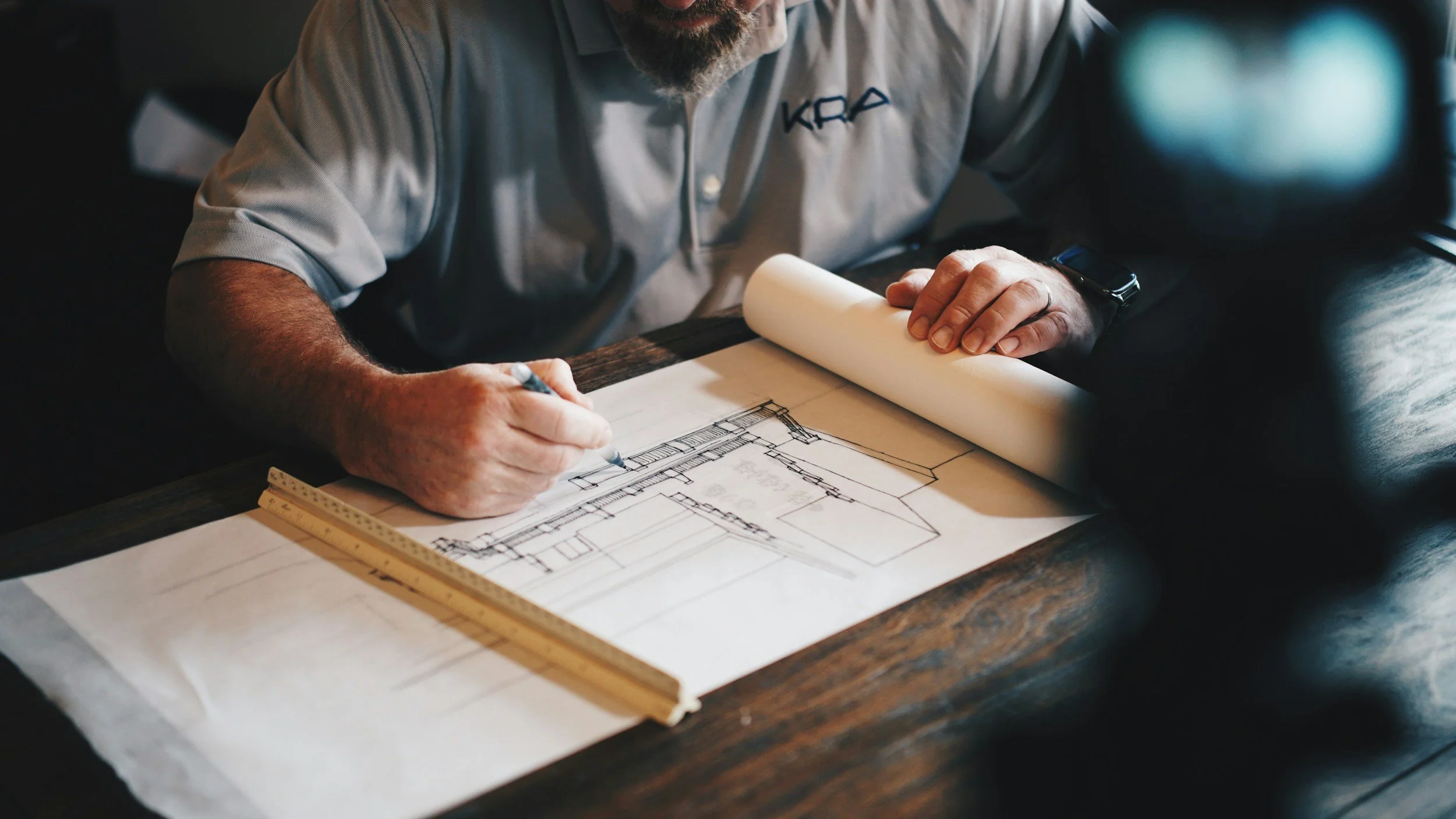
If you're working with the right home builder, they're pushing you to finalize scope items during the design phase — not after the permit is pulled. They're procuring everything from demolition through to finishes before construction starts. They're looking at your drawings and asking: is there a way to get you 90% of what you want at 80% of the cost?
The more planning you do upfront, the better the quality, the faster the project goes, and the fewer mistakes get made. Rework is one of the most expensive things that happens on a construction project. Rework from unclear scope is entirely preventable.
This is what procurement before construction actually means: by the time a shovel goes in the ground, every material, every sub, every lead time is mapped. There's no stopping mid-project to figure out where the custom windows are. The job runs because the job was planned.
General Contractor vs. Home Builder: Is There a Real Distinction?
In the Toronto market, the terms are largely interchangeable — the business model is the same. The difference is specialization.
Some GCs specialize in commercial buildouts, restaurant renovations, or institutional work. Some focus on kitchens and bathrooms. We're a general contractor whose specialization is home building: custom homes, additions, full-gut renovations. That focus means our subcontractor network, our pre-construction process, and our on-site management are all calibrated specifically for residential work. When someone says "home builder," they're signaling that residential expertise.
Ask any firm you're considering: what percentage of your work is residential? What's the most comparable project you've completed in the last 18 months?
What Most Homeowners Get Wrong
They bring in the builder too late.
We see this constantly. Families have gone through six months of design, have a full permit set in hand, and now they're shopping for builders. The problem: they're already married to the design. Every expensive decision has been made without any input from the people who know what things actually cost.
The earlier you align on project costs — and understand which decisions are the biggest levers on your budget — the higher the likelihood that you'll actually execute the project. Projects where we're brought in before the architect draws a single line have a materially better track record than projects that come to us permit-ready. The permit-ready ones often need to be redesigned anyway. Except now there are extra fees, months of delays, and a homeowner who was sold something they couldn't actually afford.
Bring your builder into the design process before it starts. Not after. That's when the real money decisions get made.
The BVM Approach: Built to Run Before It Starts
There's a version of a builder that shows up when there's a problem. That's not us.
Before construction starts, we've locked scope, completed procurement, coordinated with all subs on timelines, and stress-tested the schedule for the things that always go sideways. That pre-construction process is our product as much as the finished house is.
During the build, our team is on site regularly and behind the scenes daily. We're not managing by exception — we're catching schedule risks before they become delays, and quality issues before they require rework. Active management before and during the project. That's what actually protects your investment.
Key Takeaways
A home builder manages scope, procurement, coordination, quality, and risk — all at once, across every phase of your project
Your builder's sub relationships are a real competitive asset: they guarantee priority service and consistent quality
Client-managed trades almost always create timeline delays, even when the work is good
Investment protection starts in pre-construction — the more you plan up front, the fewer surprises mid-build
Get your builder involved before design starts, not after you have a permit
Ask any builder: what's your pre-construction process? If they can't walk you through it specifically, that's your answer
Fixed-price contracts beat cost-plus for homeowners who want certainty — know which one you're signing before you commit
Frequently Asked Questions
Q: How do I know if a builder is actually managing my project or just collecting a fee?
A: Ask them to walk you through their pre-construction process in detail. A builder who can explain how they build a fully procured budget, how they coordinate trades before the project starts, and what their on-site management looks like — that builder is managing. If the answer is vague or generic, that tells you exactly what you need to know.
Q: Is a fixed-price contract better than cost-plus?
A: For most homeowners, yes. A fixed-price contract means the builder has done the work to lock down scope and pricing before you sign. Cost-plus shifts that risk onto you — every surprise in the field becomes your financial problem. Ask any builder you're interviewing directly: are you fixed price or cost-plus?
Q: Can I save money by acting as my own general contractor and managing trades directly?
A: Some experienced homeowners pull it off. Most discover mid-project why builders charge what they charge. When you manage trades directly, you're a one-time client with no leverage and no shared language. The coordination work that keeps a project on schedule doesn't disappear — you absorb it personally.
Ready to Talk About Your Project?
If you're in Toronto or the GTA and you're trying to figure out whether you're working with the right builder — or whether the process you're in right now is going to end well — we're happy to take a look. No pitch. Just an honest conversation about where your project stands and what it needs. Book a call with our team at bvmcontracting.com.
Related Reading: